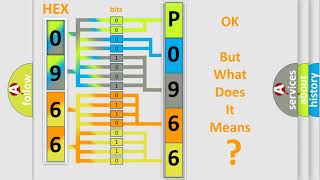
When you come across a P0966 code, what you’re really dealing with is your car’s computer-technically called the PCM-throwing up a red flag about the transmission pressure control solenoid “B” circuit. I’ve seen this more times than I can count. That solenoid is basically an electronically controlled valve tucked inside your automatic transmission. Its job? Regulating the pressure of the transmission fluid, which is absolutely vital for smooth, well-timed gear shifts. If the PCM senses that the voltage in the solenoid “B” circuit drops too low, it triggers this code. You’ll find this issue crops up on a lot of makes and models, but the underlying trouble is always the same: something’s off with how pressure is being managed inside the transmission, and that messes with how your car shifts. Bottom line-when you get P0966, your transmission isn’t happy, and neither should you be.
DTC P0966
 4298
4298 5 minutes of reading
Causes of P0966 trouble code
From experience, the most common reasons I see for a p0966 code are:
- A faulty pressure control solenoid (the solenoid itself has failed)
- Dirty or contaminated transmission fluid (which can clog things up inside)
- A clogged or restricted transmission filter
- A bad transmission pump
- Problems inside the valve body (the part that routes fluid inside the transmission)
- Blocked hydraulic passages in the transmission
- Corroded or damaged connectors at the solenoid or wiring harness
- Broken, shorted, or damaged wiring between the solenoid, transmission, and PCM
- In rare cases, a faulty PCM (the car’s main computer)
Most often the issue is with the solenoid itself or the wiring, but it’s important to check everything on the list.
Symptoms related to P0966
When this code is active, here’s what you might notice as a driver:
- The check engine light will almost always be on
- The transmission may shift hard or bang into gear
- You might feel the transmission slipping or not engaging properly
- Sometimes the car will go into a sort of “limp” mode, where it won’t shift past a certain gear
- Transmission overheating is possible
- Fuel economy can drop
- In some cases, you might feel the engine misfire or hesitate
If you’re noticing any of these, especially hard shifting or slipping, it’s a good idea to get this checked out right away.

Diagnosis steps for P0966 code
Here’s how I usually go about diagnosing a honda dtc p0966:
- First, I always check for any Technical Service Bulletins (TSBs) related to your specific car and transmission. Sometimes there’s a known issue that can save a lot of time.
- Next, I check the transmission fluid level and condition. If it’s low, burnt, or dirty, that’s a red flag. Don’t forget to check when the fluid and filter were last changed.
- Then, I do a careful visual inspection of all the wiring and connectors going to the transmission, especially around the pressure control solenoids. Look for broken wires, corrosion, or loose connectors. It’s best to have someone help you shift through the gears (with the car safely parked and engine off) while you watch for any movement or issues with the wiring.
- If everything looks good so far, I’ll use a digital multimeter to check for continuity in the wiring and make sure there’s no short or open circuit. Always do this with the battery disconnected to avoid causing more damage.
- If the wiring and connectors check out, the next step is to test the solenoid itself. Depending on the car, this might mean removing the transmission pan to access the solenoid and checking its resistance with a meter.
- If the solenoid is within spec, I’ll look at the transmission pump and valve body for internal problems or blockages. This is more advanced and usually requires special tools and knowledge.
- Finally, if everything else checks out, I’ll consider the PCM as a last resort, but that’s pretty rare.
It’s best to start with the simple stuff-fluid, wiring, and connectors-before digging deeper.
Common mistakes when addressing P0966 engine code
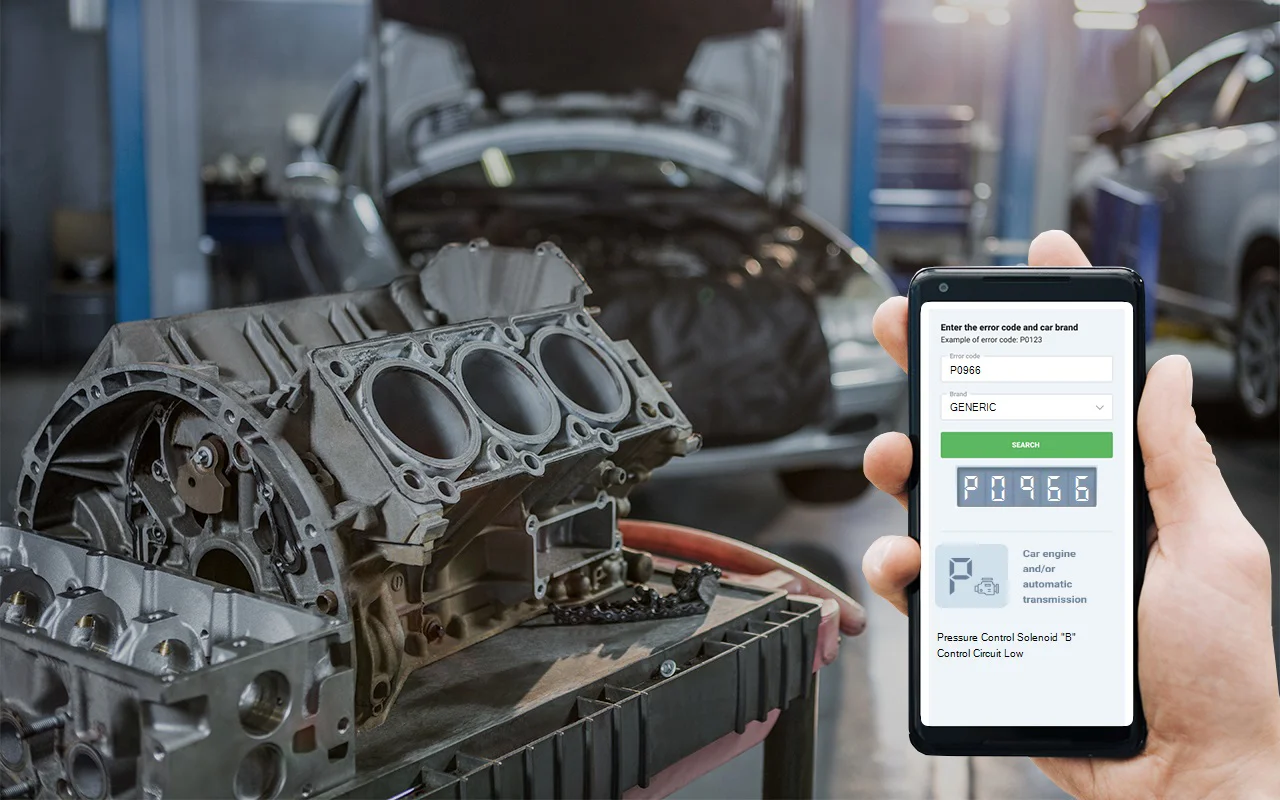
One thing I see a lot is people jumping straight to replacing the solenoid without checking the wiring or fluid first. That’s a surefire way to waste money. Another common mistake is not checking for TSBs, which can point you right to the fix. Skipping the basics-like not inspecting the connectors for corrosion or not checking the fluid-can lead to a lot of unnecessary work. Also, some folks misdiagnose this as an engine misfire or a general transmission failure, when it’s really just a control circuit issue.

Seriousness of obd2 code P0966
This isn’t something you want to ignore. While it might start off as a moderate problem, it can quickly get worse. If your transmission is banging into gear or slipping, you’re risking serious internal damage-things can go south quickly if overlooked. Ignoring this code can lead to permanent damage to the transmission, including the solenoids, valve body, or even the transmission pump. The risks just aren’t worth it, so don’t put this off for later.
Repair options for dtc P0966
Here’s what I typically recommend for fixing a p0966:
- Replace the transmission fluid and filter if they’re dirty or overdue
- Replace the faulty pressure control solenoid "B" if it’s out of spec
- Repair or replace any damaged wiring or connectors
- Clean any corroded connectors
- Flush the transmission to clear out any blockages in the hydraulic passages
- Repair or replace the transmission pump or valve body if they’re found to be faulty
- In rare cases, reprogram or replace the PCM if it’s determined to be the cause
Always follow the specific repair procedures for your vehicle, and don’t forget to clear the code and test drive to make sure the fix worked.
Conclusion
To sum it up, P0966 means there’s a problem with the circuit controlling the pressure solenoid "B" in your transmission. It’s not something to take lightly, as it can lead to bigger and more expensive problems if ignored. Start with the basics-fluid, wiring, and connectors-and work your way up. Acting quickly is the best way to avoid serious transmission damage and keep your car running smoothly. If you’re not comfortable with these checks, it’s wise to get a professional involved sooner rather than later.