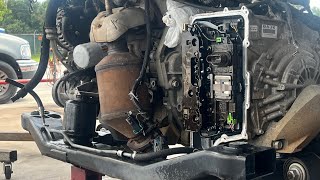
When you see a P0989 code pop up, it’s your car’s way of flagging trouble with the Transmission Fluid Pressure Sensor or Switch ‘E’ Circuit. Let me break it down from what I’ve seen in the bay: your vehicle’s computer-whether it’s the PCM or TCM-relies on a handful of pressure sensors to keep tabs on what’s going on inside your transmission. The ‘E’ sensor is one of the critical ones. Its job? Reporting back on fluid pressure, making sure everything lines up for those seamless gear shifts we all want. If that sensor starts sending readings that don’t match what the computer expects, boom-the P0989 code gets stored. Usually, you’ll find this sensor attached to the side of the transmission’s valve body, sometimes even mounted right on the transmission case itself. What’s really happening here is the sensor converts the hydraulic pressure inside the transmission into an electrical signal, and that’s what the computer uses to decide when and how to shift. If that signal’s off, so is your shifting.
DTC P0989
 6266
6266 5 minutes of reading
Causes of P0989 trouble code
From my time under the hood, these are the usual suspects when you’re staring down a p0989 code:
- Low transmission fluid level - Believe it or not, this is something I see all the time, and it causes all sorts of headaches with shifting.
- A worn-out or failed transmission fluid pressure sensor - These little guys don’t last forever, and I’ve swapped out plenty that just gave up the ghost.
- Corroded, loose, or damaged wiring and connectors - Especially if your ride sees a lot of wet weather or salty roads. That stuff eats connectors for breakfast.
- A faulty transmission control module (TCM) - Not at the top of the list, but I’ve run across a few that just stopped doing their job.
- Internal transmission or valve body issues - This doesn’t come up as often, but if you’ve checked the basics and the problem’s still there, you can’t rule it out.
Here’s a pro-tip from the garage: always start with the simple stuff-fluid level and wiring. Saves you from chasing your tail later on.
Symptoms of P0989 engine code
When P0989 shows up, you’ll usually spot a few telltale signs. The check engine light? That’s almost always your first clue. Next, the transmission might start acting up-maybe it hesitates, shifts hard, or just refuses to shift at all. I’ve had folks complain about their fuel mileage tanking, too, since the transmission isn’t running efficiently. If you’re noticing any of these, don’t just shrug it off-the problem’s not going to fix itself.

Diagnosis steps for dtc P0989
Here’s my battle-tested process for chasing down a p0989 code:
- Start by checking the transmission fluid-level and condition. Low or nasty fluid is a classic troublemaker. Make sure you’re on level ground and the engine’s at operating temperature for a real reading.
- Next up, give those wires and connectors going to the pressure sensor a good look. Corrosion, broken wires, or loose connections can trip this code. I’ve lost count of how many times a simple cleaning and tightening did the trick.
- If everything looks good visually, hook up a scan tool and watch the sensor’s live data with the engine running. Compare those numbers to what the service manual says. If the readings are way off, that sensor’s likely toast.
- If I’m still suspicious, I’ll grab the multimeter and check voltage and resistance at the sensor, using the specs straight from the manufacturer.
- If all of that checks out but the code keeps coming back, it’s time to look at the TCM or even crack open the transmission to hunt for deeper issues. When you reach this point, it’s usually best to get a pro involved with the right diagnostic gear.
Don’t skip the basics-most fixes start there.

Common Mistakes when fixing P0989 code
A classic mistake I see is folks swapping out the sensor first thing, before ever checking the fluid or the wiring. Another one? Overlooking corroded or loose connectors-easy fixes that get missed all the time. Sometimes people don’t bother with the service manual, so they end up chasing the wrong wire or even the wrong sensor. My advice: slow down and rule out the simple stuff before you spend money on new parts.

Seriousness of obd2 code P0989
This code’s not something you want to ignore. Letting p0989 slide can lead to some seriously expensive transmission repairs. If you keep driving with bad fluid pressure readings, you risk hard shifts, slipping, or the whole transmission packing it in. I’ve seen valve bodies, clutches, and even the control module get chewed up because someone put off this fix. And let’s not forget-if your transmission fails on the road, it’s a real safety issue. Bottom line: get on top of this as soon as you see it.
Repair options for obd code P0989
When it comes to fixing this code, here’s what I’ve seen work time and again:
- Top off or change the transmission fluid if it’s low or looks dirty.
- Repair or replace any wiring or connectors to the sensor if they’re damaged.
- Swap out the transmission fluid pressure sensor if it’s shot.
- On rare occasions, you might have to repair or replace the TCM, or dig into the transmission itself if the basics don’t solve it.
Always double-check the sensor location and the wiring diagram for your specific car before you get started. And if you’re driving a General Motors vehicle, this code-gm dtc p0989 00-can definitely show up.
Conclusion
So, to wrap things up, P0989 tells you your car’s computer isn’t getting the right info from the transmission fluid pressure sensor ‘E’ circuit. This isn’t some minor annoyance-it can mess with your shifting and even wreck your transmission if you let it slide. The smart move? Start with the easy stuff: check your fluid and wiring before you get into sensor swaps or bigger repairs. Tackle the problem head-on, and you’ll keep your car running smooth and safe.