
Causes of obd2 code P2019
From experience, the root causes for a P2019 code don’t vary much, no matter what badge is on your hood. Here are the usual suspects I run into:
- A worn-out or failed intake manifold runner position sensor or switch-these just give up the ghost after enough miles.
- Electrical gremlins like broken wires, loose connectors, or terminals that have gotten a good dose of corrosion inside the IMRC circuit.
- Mechanical snags: the IMRC hardware can seize up, get jammed by debris, or clump up from carbon buildup. I’ve pulled plenty of manifolds packed with gunk-it doesn’t take much to cause trouble.
- On Fords, an open circuit in the IMRC monitor wiring is a frequent culprit. Seen that one more times than I care to count.
Most times, it’s a cocktail of age, wear, and a little grime doing the damage. My advice? Always start with the simple stuff before you go blaming the pricey components.
Symptoms of P2019 engine code
When P2019 is active, the check engine light is almost guaranteed to light up your dash-that’s your first clue. A lot of the time, especially at lower speeds, you might not notice much else. But don’t be fooled. Sometimes you’ll catch a rough idle, the engine hesitating when you punch the gas, or your fuel mileage quietly taking a nosedive. If the runners get stuck in the wrong place, the engine can feel lazy or just not as peppy as you’re used to. Not sure what to watch for? Pay close attention to how the car responds when you accelerate or while it’s idling-those are the moments where the IMRC system usually gives itself away.

Diagnosis using obd code P2019
Here’s my step-by-step on how I chase down a P2019:
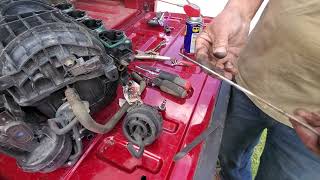
- Start with a good old-fashioned eyeball check. Pop the hood and look at the wiring and connectors for the IMRC actuator and position sensor. Anything cracked, loose, or green with corrosion is a lead. Sometimes just wiggling the connector will show you a flaky connection.
- Next, have a look for mechanical issues. The IMRC linkage and actuator should move smoothly-if it’s stuck, jammed, or caked with crud, you’ve found your problem. Here’s a pro-tip: have someone turn the ignition while you watch the actuator. It’s a two-person job but saves a lot of guessing.
- Grab your scan tool and watch the IMRC position sensor data. If the numbers stay flat no matter how the actuator moves, you might have a sensor or wiring problem on your hands.
- If you’re still stumped, pull out a multimeter and check the wiring for continuity. Make sure there aren’t any shorts or open circuits, especially on Fords-those are notorious for sneaky wiring faults.
- Last up, if everything else looks clean, test the IMRC actuator and position sensor themselves, following the specs from the manufacturer. Sometimes, these just wear out and need swapping.
And here’s something I’ve learned the hard way: always look for other codes. Sometimes a totally different code is the shortcut to the real fix.
Common Mistakes when fixing P2019
A classic mistake I see all the time? Folks go straight for a new IMRC actuator or sensor without ever checking the wiring. That’s a fast track to wasting cash. Another one is ignoring the mechanical side-carbon and debris can jam up those runners so tight that no sensor swap will help. And don’t just clear the code and cross your fingers. It’ll come back, and probably at the worst possible time. Always take the time to do a full inspection before you start replacing anything.

Seriousness of dtc P2019
Let’s not beat around the bush-this isn’t a code to ignore. While it probably won’t leave you stranded right away, running with a busted IMRC system can kill your fuel economy, make the engine run rough, and bump up your emissions. Worse, if those runners stay stuck or the actuator keeps grinding away, you’re looking at possible damage to the intake manifold or the actuator itself. I’ve seen engines start running dangerously lean or rich from this, and trust me, that road leads to much bigger headaches. Don’t let it slide-get it checked out before it snowballs.
Repair steps for P2019 trouble code
In the shop, here’s what usually sorts out a P2019-straight from the repair bay and the factory playbooks:
- Fix or swap out any wiring or connectors in the IMRC circuit that look suspect.
- Give the IMRC actuator and linkage a thorough cleaning, or replace them if they’re seized or too far gone.
- If the intake manifold runner position sensor or switch is toast, drop in a new one.
- For Fords, those open circuits in the monitor wiring are often the root cause-repairing those usually does the trick.
- On rare occasions, if the intake manifold itself is cracked or damaged, you might have to replace the whole thing. Not fun, but it happens.
Best advice? Start simple with cleaning and inspecting. Only reach for new parts once you know for sure something’s bad.


Conclusion
Bottom line: P2019 means the intake manifold runner control system isn’t sending back the right position info for runner 2. Nine times out of ten, it’s a sensor, wiring, or some mechanical hang-up. Ignore it, and you risk bigger, more expensive problems down the line. The best fix always starts with a careful look-over-check those wires, connections, and linkages before you start throwing parts at it. Move fast and you’ll save yourself a lot of grief, and keep your engine humming along like it should.

 5587
5587 6 minutes of reading