
Causes and obd code P2044
From experience, the most common reasons for seeing a p2044 code are:
- A faulty reductant (DEF) temperature sensor itself-these can fail over time, especially in harsh climates.
- Wiring harness issues, like broken, corroded, or shorted wires leading to the sensor. I’ve seen plenty of cases where rodents or road debris cause damage.
- Poor electrical connections at the sensor plug-sometimes the contacts get bent, pushed out, or corroded from moisture.
For Ford vehicles, these are the main culprits. Other brands may have slightly different sensor locations or wiring layouts, but the root causes are usually similar.
Symptoms and obd2 code P2044
If you’re dealing with this code, the first thing you’ll probably spot is the check engine light glaring at you from the dash. Some folks also get a warning about the emissions system or low DEF levels. Most of the time, you won’t notice any change in how the truck runs-at least not right away. But let that problem linger, and your truck’s computer might throw it into limp mode or even refuse to start after a set number of miles. That’s the system’s way of making sure you don’t ignore an emissions problem for too long.

Diagnosis and P2044 engine code
This is the process I follow every time a P2044 shows up:
- I always begin with a good, old-fashioned visual inspection. Open the hood, trace the wiring from the DEF tank to the sensor, and hunt for any obvious issues-cracked insulation, loose connectors, or signs of corrosion. Sometimes, having a buddy wiggle the harness while you keep an eye on the sensor plug can reveal a hidden problem.
- After that, I disconnect the sensor and take a close look at those connector pins. Bent, pushed-back, or corroded pins are more common than you’d think. If you spot any green corrosion, a shot of contact cleaner might save the day, but damaged pins mean you’re in for a connector repair or replacement.
- If everything checks out visually, I’ll break out the multimeter and measure the resistance across the temperature sensor. You’ll want to compare your reading with the specs in the service manual-way off means the sensor is toast.
- Don’t skip checking for voltage and ground at the connector itself. Missing power or ground? That’s a wiring issue, so you’ll need to trace it back and hunt for breaks or shorts.
- If you’re still stumped, I’ll plug in a scan tool and read live data from the sensor. If the temperature reading stays stuck or never changes, the sensor’s had it.
Always start with the basics before you chase your tail with advanced diagnostics. I’ve seen too many people overcomplicate things right from the start.
Common Mistakes and P2044
A classic mistake I see all the time is swapping out the sensor without checking the wiring or connector first. That’s a quick way to waste your hard-earned cash if the culprit is just a busted wire or a corroded connection. Another misstep? Skipping over Technical Service Bulletins (TSBs). Sometimes, the manufacturer’s already got an updated fix or improved part for exactly this issue, and missing that can mean repeated comebacks. Always cover the basics before you reach for your wallet or the parts catalog.

Seriousness and dtc P2044
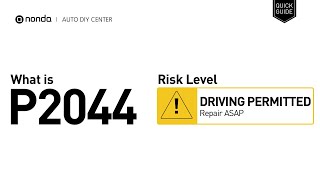
Take it from me-this isn’t a code you want to brush off. Sure, your truck might run fine for a little while, but letting a DEF temperature sensor issue linger is asking for trouble. If the system can’t keep the DEF warm, you risk it freezing up in winter, which knocks out your emissions controls and might even leave you stranded with a no-start. Even worse, ignoring the problem could damage the DEF heater or the SCR catalyst. Problems like this can snowball fast, so don’t wait until you’re stuck on the side of the road in January.
Repair and P2044 code
Here’s how I’d handle a P2044 fix, step by step:
- Repair or replace any damaged wiring or connectors you find during your inspection.
- If your testing points to a bad sensor (either from resistance checks or scan tool data), go ahead and swap out the reductant temperature sensor. On Fords, be ready to replace the whole sensor assembly since they often come as one piece.
- Clear the trouble code using a scan tool, then take the truck for a spin to see if it comes back.
- If the code reappears, double-check for any TSBs or updated parts-the manufacturer may have released a better sensor design.



Conclusion
Bottom line? P2044 means your DEF temperature sensor circuit isn’t doing its job, and that spells emissions headaches and, possibly, a no-start situation if you let it slide. Nine times out of ten, it’s a bad sensor, a wiring issue, or a lousy connection. Start with a careful inspection, fix any wiring gremlins, and swap the sensor if the numbers don’t add up. Don’t put it off-catching this early can save you a pile of money and a big headache down the line.
 3548
3548 5 minutes of reading