
Causes of P2045 engine code
From experience, the most common reasons I see for a p2045 code are:
- A faulty reductant temperature sensor-these do fail, especially after a few winters.
- Broken, shorted, or corroded wiring to the sensor-road salt and moisture are tough on these harnesses.
- Poor electrical connections at the sensor plug-sometimes pins get bent, pushed out, or corroded.
On Ford vehicles, the sensor is part of the heater assembly, so a problem with the heater can also set this code. Other brands might have the sensor as a separate part, but wiring and connector issues are always high on the list.
Symptoms of P2045 trouble code
Every time I’ve run into a P2045, that check engine light is front and center on the dashboard-can’t miss it. Most folks won’t notice any change in how their truck or car drives, at least not right away. But sometimes, you’ll get a message about the emissions system acting up, and if the code sticks around, you might even see a ‘reduced engine power’ warning. Here’s the kicker: If you live where it gets cold, a DEF system that isn’t working right can lead to even bigger headaches-like DEF freezing up, more severe warning messages, or in the worst case, your vehicle refusing to start if the issue drags on too long.

Diagnosis with obd2 code P2045
When I’m chasing down a obd2 code p2045, here’s the approach that’s saved me time-and sanity-over the years:
- First thing, I always go for a visual inspection. Open up the hood and trace the wiring harness out to the DEF tank and heater assembly. You’re looking for any obvious damage: cracked wires, chewed insulation (thanks, rodents), or connectors hanging loose.
- After that, unplug the sensor’s connector and take a close look for corrosion or pins that are bent, pushed out, or missing altogether. If you spot any green or white buildup, clean it off and make sure those pins are straight and firmly seated.
- With the connector off, I grab my multimeter and check for continuity in the wiring. You want to rule out any open circuits or unexpected shorts to ground or power-it’s amazing how often the issue is hiding right there.
- If all the wiring checks out, I’ll move on and test the sensor itself. On Fords, you’re usually checking the heater assembly and the sensor’s resistance values against the factory specs. If your readings are way outside the book numbers, you’re staring at a bad sensor.
- Once you’ve addressed any issues, clear the code and see if it returns. Sometimes, a loose plug or dirty connection is all it takes to trigger this code.
Here’s a pro-tip: If wiring isn’t your strong suit, grab a buddy or a shop tech to help double-check your work with the multimeter. And don’t forget to disconnect the battery when you’re working with connectors-no need to risk a blown fuse or worse.
Common Mistakes with dtc P2045
A classic mistake I see all the time is folks throwing a new sensor at the problem without ever checking the wiring. That’s a surefire way to waste a chunk of change. Another one: overlooking corrosion inside the connector. That hidden gunk can cause the code to come and go, making it tricky to pin down. My advice? Always check the harness and the connector before you open your wallet for parts. And don’t forget to scan for other related codes-sometimes P2045 is just the tip of the iceberg in a bigger DEF system issue.

Seriousness of obd code P2045
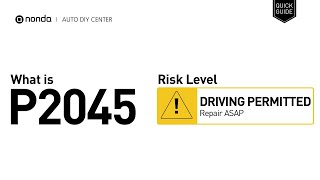
Trust me, this isn’t a code to brush off. While you might be able to keep driving for a bit, a bum DEF temperature sensor means your emissions system isn’t doing its job. If the computer can’t keep the DEF at the right temperature or doesn’t know what’s going on in the tank, you’re looking at more warning lights, possible reduced engine power, or the dreaded no-start if things get ignored too long. Over time, running with this problem can spell real trouble for the SCR catalyst or other pricey emissions parts. Nobody wants to fail an emissions test-or foot a huge repair bill-just because of a neglected sensor.
Repair solutions for P2045
When it comes to fixing a P2045, here’s what I do most often:
- Patch up or replace any damaged wiring or connectors leading to the sensor.
- Clean out the sensor connector if there’s any corrosion, and make sure the pins fit snug and tight.
- If the sensor’s faulty-or if you’re working on a Ford where it’s built into the heater assembly-swap out the sensor or the whole assembly as needed.
- Clear the code, take the vehicle for a test drive, and confirm the code doesn’t pop back up.
One thing I never skimp on: Always use original equipment (OEM) parts for these sensors and assemblies. Aftermarket parts often cause more headaches than they solve-trust me on that one.


Conclusion
Here’s the bottom line: When you see a P2045, your vehicle’s emissions system has lost faith in the DEF temperature reading-usually due to a sensor or wiring problem. Don’t let this one linger. Catching it early isn’t just about clearing a warning light; it’s about protecting the health of your emissions system and saving yourself from much bigger headaches down the line. Start with a close look at the wiring and connectors, then move on to testing or swapping out the sensor if needed. From where I stand, tackling this head-on is the smartest way to keep your rig running clean and your wallet happy.

 5740
5740 6 minutes of reading