
Causes of P2047
From my time under the hood and pouring over service bulletins, I can tell you the heavy hitters for a p2047 code are:
- Wiring problems-think broken, chafed, corroded, or just plain loose wires headed to the DEF injector.
- A failed DEF injector itself (the dosing valve just gives up electrically).
- Sloppy or loose electrical connectors, either at the injector or back at the module.
- Every now and then, a glitchy engine control module (not common, but I have seen it if everything else checks out perfectly).
I’ll tell you straight: nine times out of ten, you’re chasing a wiring or connector issue, not a dead injector. But I always double-check both to be sure.
Symptoms of obd2 code P2047
When this code sets, you’re almost guaranteed to spot the check engine light staring back at you. Sometimes, you’ll get a DEF or emissions warning, too. In trickier cases, the car might slip into reduced power or ‘limp’ mode to keep things safe. Here’s the kicker-at first, you might not notice any real difference behind the wheel, but leave it unchecked and you could be looking at limited engine power or a no-start after a certain distance. Trust me, you don’t want to find that out the hard way.
This headache isn’t picky about brands, either. I’ve run into it on Fords and Renaults, among others.

Diagnosis and P2047 code
Let me walk you through how I go after this one in the bay:
- I always start by scanning for any other codes that might be trying to tell me something. Sometimes, the real story’s in a different code.
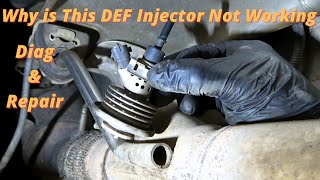
- Next move? A close-up visual inspection of the wiring and connectors at the DEF injector. I’m hunting for chafed wires, corrosion, or connectors that just don’t look right. Don’t rush this part-it’s easy to miss a tiny break that causes big headaches.
- I’ll unplug the connector at the injector, check for bent pins, moisture, or plain old dirt. Sometimes, just cleaning and plugging it back in sorts the problem.
- If it all looks good, I’ll grab my multimeter and check for continuity from the injector back to the control module. No continuity? That wire’s got a break somewhere, and I’ll need to track it down.
- If the wiring passes, I’ll measure resistance across the injector. If it’s open (reads infinity), the injector itself is toast.
- Last, if everything else checks out, I’ll make sure the control module’s actually sending out the right signals. Honestly, it’s rare for the module to be the issue, but I’ve seen stranger things.
Here’s a pro-tip from the garage: always start with the basics-wiring and connectors-before you throw parts at the problem. You might also see something like sa 17 dtc p204713 during diagnosis, which can give you an extra clue about what’s gone wrong.
Common Mistakes with dtc P2047
A classic mistake I see? Folks jump right to swapping out the DEF injector without even glancing at the wiring. That’s a fast track to wasting your hard-earned cash. Another one: ignoring corrosion buried inside the connector-tiny bit of green fuzz can cause a world of trouble. And plenty of techs skip the continuity test on the wires; don’t do it. Test the basics before you start buying parts.

Seriousness of a P2047 trouble code
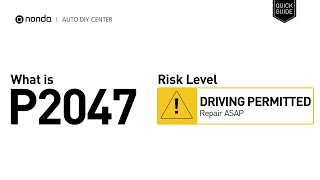
Take it from me: you don’t want to let this one slide. If the DEF injector isn’t working, your emissions control is basically out to lunch. That means you could end up with limited power, or worse, a dead engine that won’t start after a while. Nobody wants to get stranded, especially far from home or late at night. Plus, letting a DEF problem linger can lead to bigger bills-think SCR catalyst damage or fried emissions components. It’s way easier (and cheaper) to fix it early.
Repair options for a P2047 engine code
Here’s what tends to solve a P2047 in my experience:
- Fixing or replacing busted wiring or sketchy connectors at the DEF injector.
- Giving every electrical contact a proper cleaning and making sure it’s snug.
- Swapping out the DEF injector if it fails the electrical tests.
- On rare occasions, repairing or replacing the engine control module if it’s not sending the right signal.
After you’ve done the work, don’t forget to clear the code and run a system test. Always make sure everything’s back in order before calling it done.


Conclusion
Bottom line? If you’re staring at a P2047, your DEF injector circuit’s on the fritz-most likely because of a wiring or connector snag. Jump on it quick; stalling just means you risk getting stranded or facing pricier repairs down the line. Start with a sharp inspection of the wiring and connectors, then test that injector. More often than not, fixing a bum wire or replacing the injector gets you back on the road. Don’t wait-sort it out now and save yourself some major headaches.
 4471
4471 5 minutes of reading