
Causes of P2049 trouble code
From my years in the shop and what the manuals spell out, here are the usual suspects behind a P2049 code:
- Wiring harness damage-think chafed, pinched, or even melted wires right around the DEF injector.
- A DEF injector that’s shorted out inside or just plain faulty.
- Corroded connectors or loose pins, either at the injector or the control module.
- And occasionally, an issue in the control module itself (but honestly, that’s not the norm).
Nine times out of ten, I find the problem is either a wiring fault or a bad injector, so that’s where you’ll want to start your troubleshooting. If you’re wrenching on a Ford, Renault, or any vehicle with a DEF system, these areas deserve extra attention.
Symptoms of P2049 engine code
When this code is active, the first thing you’ll probably spot is the check engine light glaring at you. Sometimes you’ll also get a DEF warning or some kind of emissions system alert in your dash cluster. If the problem sticks around, your vehicle might even slip into a ‘limp’ or reduced power mode-basically a way for the computer to protect the engine and emissions system from further damage. On top of that, you could see the DEF system acting up, and if you let it slide, bigger performance headaches are right around the corner.

Diagnosis steps for P2049 code
Here’s how I’d walk you through chasing down a P2049:
- Start with a solid visual check. Pop the hood and take a close look at the wiring that leads to the DEF injector on Bank 1, Unit 1. You're on the hunt for cuts, melted sections, or anywhere the wire might be rubbing and wearing down on a bracket or engine part.
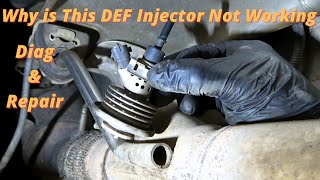
- Unplug the injector connector and inspect it-look for any green corrosion, wonky pins, or even moisture trapped inside. Sometimes, just giving that connector a good cleaning and clicking it back in will solve the whole thing.
- Next, grab a multimeter and check for a short to battery voltage on the ground side of the injector circuit. With the key on, you shouldn’t see full battery voltage on the ground wire. If you do, that’s your smoking gun.
- If the wiring looks solid, it’s time to test the injector itself for internal shorts. Most service manuals will give you an ohm value to check against. If your reading is way off, it’s usually time to swap the injector.
- Still chasing your tail? Only then do I consider a problem with the control module-usually after checking for signs of water damage or something obvious. It’s not common, but it does happen.
If you’re not confident with a meter or electrical work, don’t hesitate to bring in a second set of hands-better safe than sorry. And always disconnect the battery before poking around connectors, or you might create more problems than you solve.
Common mistakes when diagnosing obd2 code P2049
A classic mistake I see: folks rush out and replace the injector before even glancing at the wiring. That’s a quick way to burn through cash if the real culprit is a chafed wire or a corroded connector. Another big one? Ignoring the connectors entirely. A bit of green corrosion can trip this code just as easily as a bad injector. Always check both ends of the harness-don’t just focus on the injector side, or you might miss the real problem.

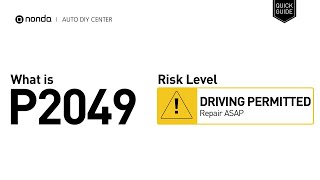
Seriousness of P2049
Let me be blunt: this is not a warning you can ignore. If the DEF injector circuit isn’t up to snuff, your emissions system is out of whack, and your engine could soon start limiting power-or even refuse to start at all if the system thinks things are really bad. Plus, a bad DEF setup isn’t just an environmental headache; it can also wreck expensive downstream parts like the SCR catalyst. Bottom line? The longer you wait, the worse-and more expensive-it gets. Get on it soon as you can.
Repair solutions for obd code P2049
When I see this code, the fix almost always comes down to one of these:
- Patch up or swap out any damaged wiring or connectors you find during your inspection.
- If your injector fails the resistance or short test, replace it.
- Clean up and lock down all connectors-sometimes a quick scrub and reconnect is all it needs.
- On the rare chance the control module is toast (and you’ve ruled everything else out), replace it.
Once you’ve done the repair, clear the code and take your car for a spin to make sure it stays gone. No shortcuts here-test drives are part of the job!


Conclusion
So here’s what you’re dealing with: P2049 means the DEF injector circuit is seeing too much voltage, almost always thanks to a wiring or injector issue. Don’t drag your feet-get after it quick, or you’ll be looking at bigger headaches and possibly a dead-in-the-water vehicle. Start with a thorough wiring and connector check, then move on to the injector itself. Stick to the basics, don’t skip steps, and you’ll usually have this knocked out without too much fuss. Quick action keeps your ride legal, clean-running, and out of the shop for the long haul.
 4255
4255 5 minutes of reading