
Main Causes of P2086
From what I see in the shop and what the official manuals say, the most common reasons for p2086 are pretty consistent across brands. Here’s what usually triggers it:
- A faulty exhaust gas temperature sensor (EGTS) on Bank 2, Sensor 2-this is the most frequent culprit.
- Wiring problems, like a broken wire, a short, or a bad connection in the harness going to that sensor.
- Poor electrical connections at the sensor plug-sometimes the pins get bent, corroded, or pushed out.
- Exhaust leaks near the sensor, which can mess up the readings.
- Too much soot or debris building up on the sensor tip, which can throw off its ability to measure temperature correctly.
Recognizing Symptoms of the P2086 Trouble Code
When this code is active, you’ll probably notice the check engine light or service engine warning pop up on your dash. That’s the main thing most drivers see. In some cases, especially if the problem gets worse, you might notice the engine going into a reduced power mode, or the emissions system not working properly. But honestly, most folks just see the warning light and maybe a message about emissions or engine performance. If left alone, you might eventually notice poor fuel economy or even some rough running, but usually the light comes on before things get that far.

Diagnosis Steps for the P2086 Engine Code
Here’s how I usually tackle a p2086 code, step by step:
- First, I always start with a visual inspection. Pop the hood and check the wiring and connector at the Bank 2, Sensor 2 EGTS. Look for broken wires, loose plugs, corrosion, or anything that looks out of place. It’s best to have someone wiggle the harness while you watch the sensor reading on a scan tool, if you have one.
- Next, I check the sensor itself. If you have a multimeter, you can test for continuity and resistance according to the specs in the service manual. A sensor that’s open or shorted is a dead giveaway it needs to be replaced.
- Don’t forget to check for exhaust leaks near the sensor. Even a small leak can mess with the readings. Look for soot marks or listen for hissing sounds when the engine’s running.
- If everything looks good so far, I’ll check for excessive soot or debris on the sensor tip. Sometimes, cleaning it off can restore normal operation, but if it’s really caked up, replacement is usually best.
- Finally, I clear the code and take the car for a test drive to see if it comes back. If it does, then it’s time to dig deeper-maybe even check the wiring all the way back to the computer.
Common Mistakes When Dealing With OBD Code P2086
I’ve seen a few common slip-ups with this code. One big one is replacing the sensor right away without checking the wiring or connector-sometimes the problem is just a loose or corroded pin. Another is ignoring possible exhaust leaks, which can be sneaky but cause the same symptoms. People also forget to check for soot buildup on the sensor, which is easy to miss but can throw off readings. Skipping the basics and jumping straight to expensive parts is a surefire way to waste time and money.

How Serious Is the OBD2 Code P2086
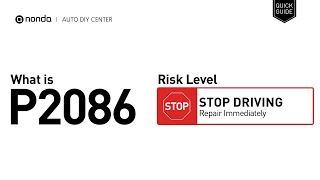
This isn’t something you want to ignore. While you might not notice any immediate drivability problems, a faulty exhaust gas temperature sensor can lead to poor emissions control, higher fuel consumption, and even damage to the DPF or DOC if left unchecked. In some cases, the engine might go into limp mode to protect itself. Honestly, things can go south quickly if you keep driving with this code active-especially on a diesel. You don’t want to risk damaging expensive emissions components or getting stranded. Don’t put this off for later.
Recommended Repairs for the P2086 Code
Here’s what usually fixes a p2086 code, based on what I see and what the manuals recommend:
- Replace the faulty exhaust gas temperature sensor (Bank 2, Sensor 2) if it’s out of spec or not working.
- Repair or replace any damaged wiring or connectors going to the sensor.
- Clean or replace the sensor if it’s covered in soot or debris.
- Fix any exhaust leaks near the sensor location.
- Clear the code and test drive to make sure it doesn’t come back.


Conclusion
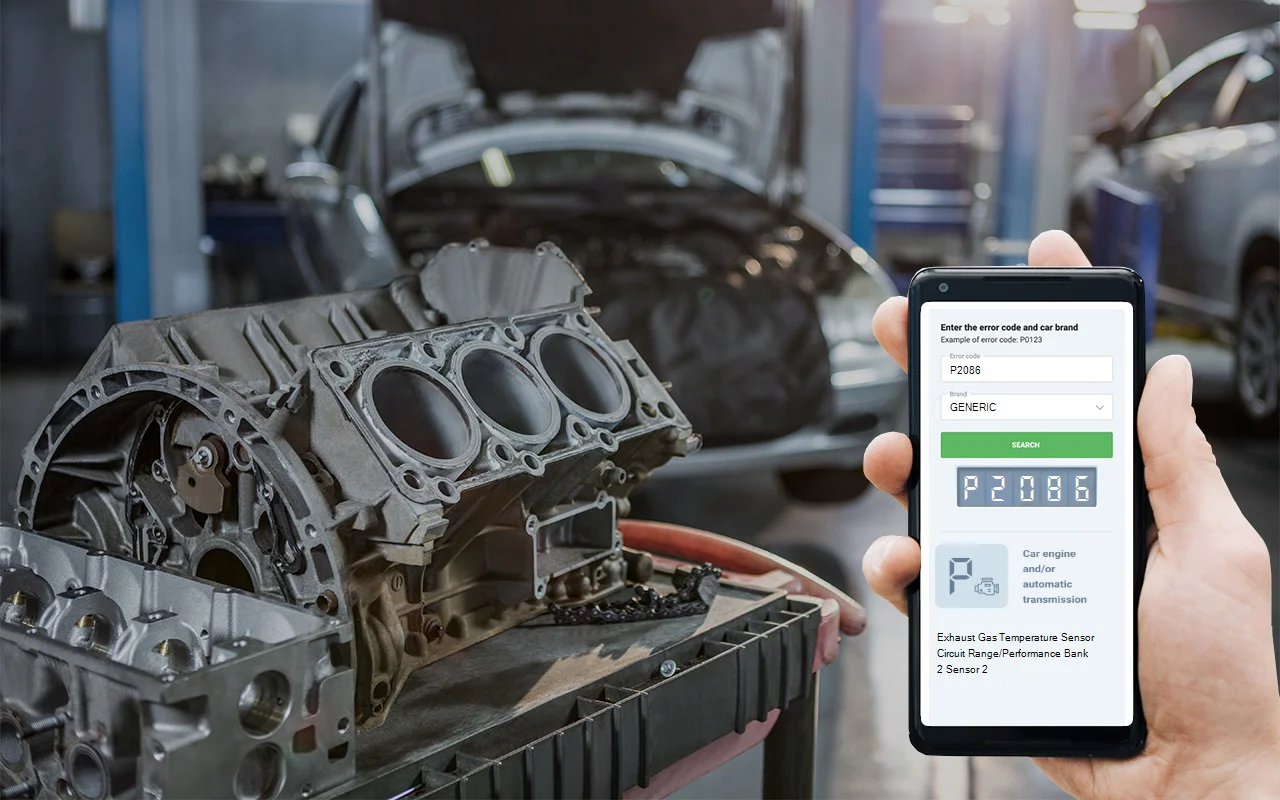
To sum it up, P2086 means your vehicle’s computer isn’t happy with the readings from the exhaust gas temperature sensor on Bank 2, Sensor 2. It’s a problem that can lead to bigger headaches if ignored, especially on diesel engines. The most reliable way to fix it is to start with a careful inspection of the sensor, wiring, and nearby exhaust. Don’t skip the basics-most often, it’s a simple fix if caught early. Prioritize this repair, because the risks just aren’t worth it if you let it slide.
 4000
4000 6 minutes of reading