
Causes of P20F8 engine code
From what I’ve seen in the shop and what the official manuals say, the most common reasons for a P20F8 code are usually mechanical or electrical. Here’s what tends to go wrong most often:
- Swirl flaps getting stuck due to carbon buildup or debris inside the intake manifold
- Faulty or worn swirl flap actuator (the motor or linkage that moves the flaps)
- Broken or disconnected linkage between the actuator and the flaps
- Wiring issues-like damaged connectors or frayed wires going to the actuator or position sensor
- Failed position sensor that can’t accurately report the flap position
In my experience, carbon buildup is the number one culprit, but I’ve also seen plenty of cases where the actuator itself just gives out after years of use.
Symptoms of obd2 code P20F8
If you’re driving around with a P20F8 code, you might notice a few things. Most commonly, the check engine light will come on. Sometimes, you’ll feel the engine running rough, especially at idle or low speeds. You might also notice a drop in power or sluggish acceleration. In some cases, fuel economy can take a hit. But honestly, sometimes you won’t feel much at all-just that warning light staring you down. Either way, it’s your car’s way of telling you something’s not right with how it’s breathing.

Diagnosis steps for P20F8 code
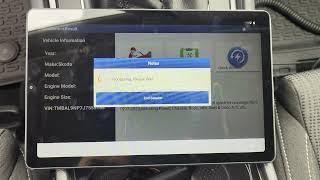
Let me walk you through how I usually get to the bottom of a P20F8 code. First thing I do is plug in the scanner and check for any buddies riding along with that code-extra codes can give you extra clues. After that, I open the hood and give the intake manifold area a good look. You’d be surprised how often a quick visual check will reveal a broken linkage or a wire hanging loose. Next, with the engine off, I’ll try moving the actuator or its linkage by hand. If the flaps resist or feel gritty, carbon buildup has probably gummed things up. Don’t overlook the wiring-give every connector and harness a once-over for corrosion, broken insulation, or anything that doesn’t look right. With the basics checked, I’ll grab a scan tool, command the actuator to move, and watch the sensor readings. If the numbers on the screen don’t match what’s actually happening with the flaps, you’re likely staring at a bad sensor or actuator. Here’s a pro-tip: have someone operate the scan tool while you watch what’s going on under the hood. And always check for any Technical Service Bulletins-manufacturers sometimes put out updates or improved parts for issues just like this.
Common mistakes when fixing obd code P20F8
A classic mistake I see is folks jumping straight to tossing in a new actuator or sensor without checking for something simple like a stuck flap. Skipping the hands-on inspection is a quick way to waste your hard-earned cash. Another one? Trusting that a connector looks good on the outside, but not realizing there’s corrosion or a broken wire inside. And don’t just clear the code hoping it’ll magically fix itself-if you don’t solve the root problem, it’ll come right back to haunt you. Always make sure those flaps move nice and free before shelling out for parts.

How serious is P20F8
I’ll put it this way: you really don’t want to ignore a P20F8. While your car might still get you from A to B for a while, driving with stuck swirl flaps can wreck your engine’s performance, jack up your emissions, and, in a worst-case scenario, cause serious engine damage. I’ve seen broken flaps or pieces of linkage get sucked into the engine-trust me, that’s a nightmare you don’t want. If this code’s showing up, get it checked out sooner rather than later. You’ll thank yourself in the long run.
Repair solutions for P20F8 trouble code
In most cases, cleaning out the intake manifold to break up and remove that carbon is the ticket to getting those flaps moving again. If you find the actuator or position sensor has given up the ghost, replacing the bad part is your next move. Sometimes, the linkage needs a little love-if it’s busted, swap it out. And if the wiring’s at fault, repair or replace the damaged section. Every now and then, if the flaps are beyond saving, you might be looking at a new intake manifold altogether. Here’s something a lot of folks miss: after repairs, don’t forget to recalibrate the system following the manufacturer’s steps, or you’ll just wind up chasing the same problem again.



Conclusion
Bottom line? When your scan tool flashes P20F8, those intake manifold swirl flaps aren’t playing nice-usually thanks to carbon buildup, a tired actuator, or a wiring gremlin. Don’t sit on it. I’ve found that jumping on this early with a solid inspection and some basic checks can save you a world of trouble (and money) down the line. If you tackle this head-on, your engine will thank you with smoother running and fewer surprises in the future.
 4876
4876 5 minutes of reading