
Causes and dtc P2175
From my time under the hood, I can tell you the causes for a P2175 code tend to be pretty consistent, though there’s always room for surprises. Here’s what I usually find when chasing this code:
- Airflow restrictions-think a filthy air filter or something jammed in the intake duct
- Wiring gremlins, like frayed or shorted wires in the throttle or sensor harnesses
- A MAP sensor that’s gone rogue and is sending wonky data to the ECM
- A throttle position sensor (TPS) that’s getting lazy or flat-out failing
- Every now and then, the throttle body or actuator itself is the troublemaker
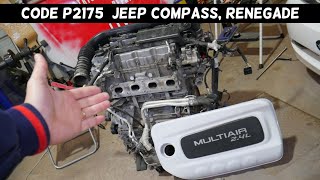
With Dodge vehicles, these are the usual suspects, but I’ve seen other makes with slightly different sensor layouts or electronic throttle setups. Still, when you boil it down, most P2175 issues land somewhere on this list.
Symptoms and P2175 code
If P2175 is in play, here’s what you’ll probably feel: the check engine light’s going to flick on, and you might notice the engine running rough or just not having the get-up-and-go you’re used to. Some drivers complain about hesitation when they hit the gas, or even the engine stalling out at idle. In some cases, your car might throw itself into ‘limp mode’-that’s when it cuts power to protect itself, and believe me, you’ll know it when it happens. If your ride suddenly feels sluggish, unresponsive, and that dreaded warning light’s glaring at you, P2175 could very well be the culprit.

Diagnosis and obd2 code P2175
When I see a P2175, I always start with the basics-and you should too. Pop the hood and give the air intake system a close look. Is the air filter caked with dirt? Anything clogging up the intake or a hose that’s collapsed? Next up, I check the wiring and connectors leading to the throttle body, MAP sensor, and TPS. You’d be amazed how often a loose plug or corroded terminal sets off this code. After that, I plug in a scan tool to watch live data from the MAP and TPS sensors, looking for numbers that just don’t make sense. If something looks fishy, I’ll grab a multimeter and test those sensors directly. Here’s a pro-tip from the garage: don’t forget to check for vacuum leaks around the intake manifold-those can throw airflow readings way off. If all the basics are solid, I’ll dig deeper, testing the throttle actuator’s movement and listening for any odd noises while someone operates the pedal. Sometimes, the fix is right there in the little details.
Common Mistakes with obd code P2175
A classic mistake I see-folks jump straight to swapping sensors or the whole throttle body without ever checking the easy stuff. Skipping right past a dirty air filter or not spotting a loose connector can burn through your time and wallet. Another trap: overlooking the wiring. A bit of corrosion or a pinched wire can be sneaky. My advice? Always knock out the basics before shelling out for pricey parts you might not even need.

Seriousness of P2175
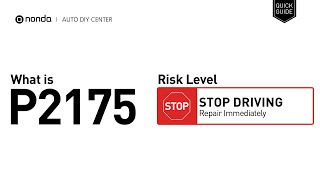
Don’t brush off this code. If your engine isn’t pulling in enough air, it can start running rough, stall out, or dive into limp mode-and that’s a real safety risk if you’re driving. Let it slide for too long, and you could be looking at fouled spark plugs, sky-high emissions, or even a wrecked catalytic converter. Trust me, I’ve seen small problems turn big in no time, so handle this one sooner rather than later.
Repair Steps for P2175 trouble code
Usually, getting past a P2175 doesn’t take a miracle. Here’s my go-to checklist in the shop:
- Swap out a dirty air filter or clear any junk that’s blocking the intake
- Patch up or replace any damaged wiring or connectors going to the throttle body, MAP, or TPS
- If MAP or TPS readings are off, replace the faulty sensor
- Give the throttle body a good cleaning, or put in a new one if it’s sticking or just not working right
- On rare occasions, you may need to update or reflash the ECM-always check for technical service bulletins (TSBs) first
After making repairs, clear the code and take your car for a test drive. Make sure everything’s running smooth before you call it good.

Conclusion
So, here’s the bottom line: P2175 means your engine’s gasping for air, usually because of a blockage, a bad sensor, or a wiring issue. You can’t afford to ignore this one, since it’ll only lead to poor performance and bigger repair bills if left unchecked. Always start with the simple stuff-air filter, wiring, and sensors-before chasing down more complicated fixes. Move quickly, work methodically, and you’ll save yourself a lot of headaches and keep your ride running right.
 5607
5607 5 minutes of reading