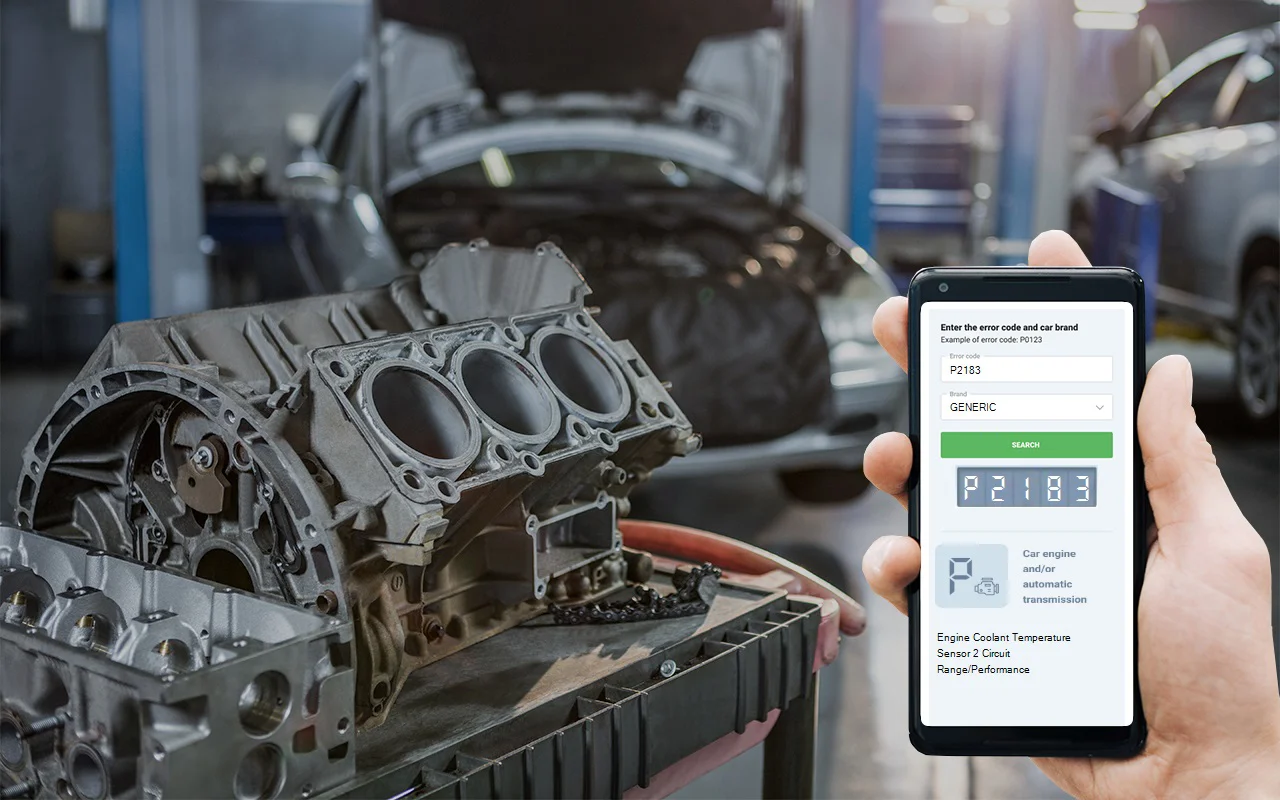
When you see the P2183 code show up, your car’s computer is basically waving a red flag about the second engine coolant temperature sensor circuit. From my time wrenching in the bay, I can tell you: most newer cars these days have a couple of coolant temp sensors just to keep a close eye on engine temps. P2183 pops up when the second sensor’s readings just don’t add up with what the computer is expecting. Sometimes this sensor sits after the radiator, sometimes in a less obvious spot than the main one. Why does this matter? Well, your car’s system relies on these sensors to control things like the fuel mixture, when your cooling fan kicks on, and even how the transmission shifts. If the numbers are off, the computer’s flying blind-and that can cause a mess of problems. Certain brands, such as BMW, keep a close watch on the radiator outlet’s coolant sensor. Others like Ford, Honda, and Mazda compare the two sensors against each other, so they catch anything strange right away. Now, Chrysler and Jeep will sometimes blame the powertrain control module (the PCM), but in all my years, that’s pretty rare. Most of the time, the problem is right at the sensor or in the wiring.
DTC P2183
 5487
5487 7 minutes of reading
Causes and P2183 engine code
Over the years, I’ve seen a pattern when it comes to what triggers a P2183 code. Here’s what you’ll want to check first:
- Low coolant level - I can’t tell you how often a simple low coolant situation sends folks down a rabbit hole. Start here.
- Bad engine coolant temperature sensor - These sensors take a beating from heat and age. I swap out plenty of these every year.
- Thermostat problems - A thermostat that’s stuck open or closed, or even leaking, can really mess with your temp readings.
- Wiring gremlins - Broken, corroded, or shorted wires and connectors are classic troublemakers. Don’t let a crusty connector ruin your day.
- Sensor circuit issues - Sometimes the wiring and sensor look fine, but the problem’s hiding in the circuit itself.
- PCM faults (mainly Chrysler/Jeep) - In rare cases, a glitchy PCM is the cause. It doesn’t happen often, but it’s good to keep in mind if you’ve ruled everything else out.
Symptoms of a P2183 code
So, what kind of trouble should you expect with a P2183? Nine times out of ten, the first thing you’ll see is the check engine or service engine light staring you down from the dash. But that’s not always the only clue. Depending on how far gone things are, you might also notice:
- Engine running rough or sluggish, especially when it’s still warming up. I’ve had cars stumble and hesitate until the temp readings get sorted out.
- Cooling fans acting up-sometimes running way longer than they should, or not at all. That’s your computer trying to play it safe.
- Tough starting or a long crank, mainly when it’s cold outside. That’s a dead giveaway something’s off with temp data.
- Overheating or running colder than normal-both can happen if the thermostat or sensor is really out of whack.

Diagnosis steps using obd code P2183
Here’s how I go about tracking down a P2183 code-it’s a system that’s saved me more than a few headaches:
- First things first, pop the hood and check the coolant level (make sure the engine’s cold!). If it’s low, top it up, but don’t stop there-hunt for leaks, check the radiator cap, and squeeze the hoses for soft spots or cracks.
- Next, get your eyes on the wiring and connectors for the coolant temperature sensor. Look for anything ugly: broken insulation, green corrosion, or loose pins. Sometimes just a gentle tug on the connector will show if something’s not seated right.
- Once that’s clear, grab a scan tool and compare the readings from both coolant temp sensors. If there’s a big difference, there’s your smoking gun.
- If one reading looks fishy, I’ll pull the sensor and check its resistance with a multimeter at different temps. Out of spec? Time for a new one.
- If the sensors and wiring both check out, I move to the thermostat. I’ll warm the engine and feel both radiator hoses-if one stays cold or heats up way too fast, your thermostat’s likely stuck.
- If you’re working on a Chrysler or Jeep and you’ve run out of suspects, then- and only then-think about the PCM. But I’d bet against it most days.
Common Mistakes made with a P2183 trouble code
A classic mistake I see: people rush to replace the sensor right away, skipping the basics. Always check the coolant level first-it’s surprisingly easy to miss. Another thing that trips folks up is ignoring the wiring and connectors. I’ve fixed more P2183 codes by cleaning up a crusty connector than by swapping out sensors. Also, don’t make the rookie move of skipping the scan tool comparison between sensors-sometimes that’s all you need to pinpoint the issue. And please, don’t replace the PCM unless you’re absolutely certain. That’s a pricey gamble and usually unnecessary. Work through the simple stuff before you start spending big money.

How serious is P2183
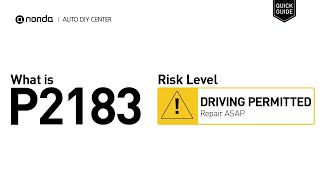
Let me put it straight: you really don’t want to let a P2183 code slide. Faulty coolant temp readings mess with your engine’s brain, and that can mean poor performance, overheating, or even major engine damage if you push your luck. I’ve seen engines cook themselves because of ignored temp sensor problems-head gasket jobs and warped heads are not fun, or cheap. Even running too cool isn’t harmless; you’ll burn more fuel, and your emissions will spike. Bottom line: get this code checked out and fixed before it turns into a much bigger-and much more expensive-problem.
Repair steps for dtc P2183
When it comes to fixing P2183, here’s the checklist I trust:
- Top off the coolant and chase down any leaks you find.
- Swap in a new OEM coolant temperature sensor if the old one tests bad.
- Repair or replace any crusty or damaged wiring and connectors at the sensor.
- Replace the thermostat if it’s stuck or leaking.
- In those rare situations (mainly with Chrysler or Jeep), replace the PCM-but only after everything else checks out.
Conclusion
To wrap it up, P2183 is your car’s way of telling you the coolant temp readings don’t add up. It’s not just a nuisance code-it can lead to real headaches if you ignore it. My advice? Start with the basics like coolant and wiring, then work your way up. Don’t guess, don’t skip steps, and only replace what you’ve proven is faulty. Get on top of it quickly, and you’ll save yourself time, money, and a whole lot of frustration down the line.