
Causes and obd code P2230
From my time in the shop and what the manufacturer manuals back up, the most likely culprits behind a p2230 code are:
- A BARO sensor that's gone bad-this is the guy actually taking the air pressure readings.
- Wiring or connectors in the BARO sensor circuit that are damaged, corroded, or just loose. A dirty or wobbly connector can spark all sorts of weird signal issues.
- Water sneaking into the sensor plug or corrosion building up-this one catches folks off guard, especially after a heavy downpour or a sloppy car wash.
- On rare occasions, a glitch in the engine control module (ECM) or its circuitry, but to be honest, that's pretty uncommon compared to sensor or wiring faults.
Nine times out of ten, it's the sensor or the wiring acting up-not the computer itself.
Symptoms and P2230 engine code
If you’ve run across a p2230 code, here’s what I’ve seen drivers usually complain about:
- That check engine light pops on-almost guaranteed.
- The engine might feel rough, especially when you first fire it up or step on the gas.
- Fuel mileage goes downhill, since the computer’s working blind and can’t balance the fuel and air right.
- Sometimes, the car feels lazy or hesitates, especially if the weather just took a turn-hot to cold or vice versa.
Some folks don’t notice much except for the warning light. But when the light’s on, your car’s trying to tell you something’s off. Don’t ignore it.

Diagnosis steps for P2230
Here's my go-to process for chasing down a p2230 code:
- Start with a good look-eyeball the BARO sensor and its wiring for obvious damage, loose plugs, or signs that water’s gotten in. Corrosion at the plug is a classic-sometimes a little green fuzz is all it takes to mess things up.
- Unplug the sensor and inspect the connector pins. Look for bent or broken pins. Trust me, a second set of hands helps here so you don’t accidentally break anything else.
- Grab your multimeter and check for proper voltage and ground at the sensor plug. Use the wiring diagram from the factory service manual. If you get wacky readings, you might have a wiring issue somewhere farther up the line.
- If the wiring checks out, I’ll hook up a scan tool and watch the BARO sensor live data while the engine’s running. What you want are steady numbers-if they’re bouncing all over the place at idle, odds are you’ve got a bad sensor.
- If everything else seems fine but you’re still chasing the code, I’ll swap in a known-good BARO sensor for a quick test. Only after I’ve ruled out the sensor and wiring do I start thinking about the ECM, but that’s almost never the cause.
Take it from me, start with the simple stuff-wiring and connectors-before you start shelling out for new parts.
Common Mistakes with dtc P2230
A classic mistake I see in the garage is folks rushing to replace the BARO sensor without checking the wiring and connectors first. That’s a quick way to spend money you didn’t need to. Overlooking water intrusion or corrosion is another one that bites people-a little moisture can cause headaches that come and go, making diagnosis tricky. And don’t skip pulling up the live sensor data with a scan tool; sometimes the sensor looks perfect but is sending out jumpy, unreliable signals. Slow down and check each step-it’ll save you a ton of frustration.

Seriousness of P2230 code issues
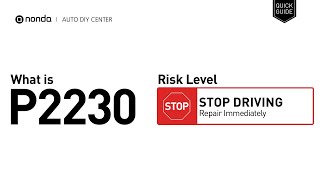
If you’re tempted to let a P2230 slide, I’d think twice. When that BARO sensor isn’t giving your computer the right info, your engine can wind up running too rich or too lean. That’s not just a performance issue-it can toast your catalytic converter, and those aren’t cheap. I’ve seen engines run rough and stall out at the worst possible times because of this. Bottom line: don’t put this off. The risks stack up fast if you ignore it, especially when driving conditions get tough.
Repair solutions for obd2 code P2230
Here’s what’s worked best for me and what the factory guides recommend for knocking out a p2230 code:
- Clean up or swap out any connectors at the BARO sensor that show corrosion or damage.
- Repair or replace any busted wiring in the BARO circuit.
- If the sensor itself is shot, replace it with a new one-don’t gamble on a questionable part.
- On the rare chance the ECM’s at fault, repair or swap it out only after you’ve ruled out everything else.
Once you’ve made the fix, clear the code and take the car for a good drive. That’s the only way to be sure you’ve nailed the problem.
Conclusion
To wrap it up, P2230 means your BARO sensor circuit’s out of whack-usually thanks to a bad sensor or some wiring gremlins. Don’t drag your feet getting this checked out, because ignoring it can snowball into bigger, costlier headaches, like a smoked catalytic converter. Your best bet is to start with a close look at the wiring and connectors, then test the sensor itself. Most times, cleaning a connection or swapping out the sensor sorts it right out. My advice? Handle it now and save yourself a world of trouble later on.
 4568
4568 6 minutes of reading