
Main Causes of obd2 code P2239
From what I see most often in the shop, the usual suspects for a P2239 code are pretty consistent across brands. Here’s what tends to go wrong:
- A faulty heated oxygen sensor or air/fuel ratio sensor (depending on your car)
- Damaged, broken, or corroded wiring harnesses leading to the sensor
- Poor or loose electrical connections at the sensor plug
- For Toyota and Lexus, sometimes a bad EFI relay or even a problem with the engine control module (ECM) can be the culprit
Recognizing obd code P2239 Symptoms
When this code pops up, you’ll probably notice the check engine light is on-that’s the most obvious sign. From experience, most drivers don’t feel much difference in how the car runs right away, but sometimes you might notice rough idling, poor fuel economy, or even a bit of hesitation when accelerating. If the sensor fails completely, the engine can run rich or lean, which can cause more noticeable drivability problems. So, even if it seems minor at first, it’s best not to ignore it.

How to Diagnose P2239 engine code
Here’s what I usually do when I’m tracking down a P2239 code. First, I recommend starting with a visual inspection-pop the hood and check the wiring and connectors going to the oxygen or air/fuel ratio sensor. Look for frayed wires, broken insulation, or loose plugs. It’s better to have someone assist you if you’re not comfortable working around hot engine parts. Next, I use a scan tool to confirm the code and check live data from the sensor. If the voltage readings are way off or stuck, that’s a clue. After that, I’ll test the sensor itself with a multimeter, checking for proper resistance and heater circuit function. For Toyota and Lexus, I also check the EFI relay and, in rare cases, the ECM. Don’t forget to inspect the sensor’s connector pins for corrosion or damage before moving on to deeper electrical tests.
Avoiding P2239 trouble code Common Mistakes
Honestly, one of the biggest mistakes I see is folks replacing the sensor right away without checking the wiring or connectors. That’s a surefire way to waste money if the real issue is a broken wire or a bad plug. Another common slip is not testing the sensor’s heater circuit-sometimes the sensor itself is fine, but the heater isn’t getting power. Skipping the relay or ECM check on Toyota and Lexus models can also lead to missed diagnoses. Always make sure to rule out the simple stuff before jumping to expensive parts.

Seriousness of P2239
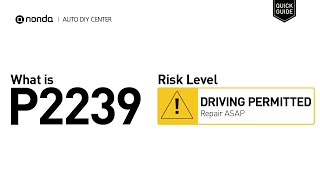
This is a serious hazard if left unchecked. The risks just aren’t worth it-if the sensor circuit isn’t working, your engine can run too rich or too lean, which can damage the catalytic converter, spark plugs, and even the engine itself over time. Things can go south quickly if overlooked, especially if you start noticing drivability issues. Don’t put this off for later; prompt attention can save you a lot of money and headaches down the road.
Recommended dtc P2239 Repair Steps
Here’s the typical fix path I recommend for P2239:
- Repair or replace any damaged wiring or connectors at the sensor
- Replace the oxygen sensor or air/fuel ratio sensor if it’s faulty
- For Toyota and Lexus, check and replace the EFI relay if needed
- In rare cases, replace the ECM if all other checks pass and the problem persists



Conclusion
To sum it up, P2239 means your car’s oxygen or air/fuel ratio sensor circuit isn’t working right, which can throw off your engine’s air-fuel balance. It’s a moderate-to-high priority-don’t ignore it, because the risks to your engine and emissions system are real. The most reliable way to fix it is to start with a careful inspection of wiring and connectors, then test and replace the sensor if needed. If you follow these steps, you’ll be back on the road with peace of mind and a healthy engine.

 5534
5534 5 minutes of reading