
Causes and obd2 code P2252
From my time under the hood (and what the service manuals back up), the usual suspects for a p2252 code are:
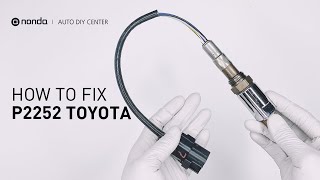
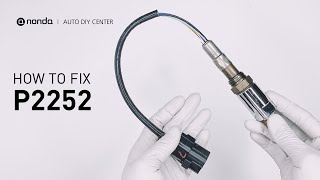
- A worn-out or faulty oxygen sensor-these guys don’t last forever, and internal failures aren’t uncommon
- Wiring or connector issues at the O2 sensor-think frayed wires, corroded pins, or a connector working itself loose
- An exhaust leak nearby can mess with the sensor’s readings and send the computer off in the wrong direction
- Occasionally, the engine computer itself (PCM/ECM) can fail, but that’s pretty rare in my book
If I had to bet, it’s the sensor or the wiring more often than not, but as any good tech will tell you, you can’t skip steps in the diagnosis.
Symptoms and obd code P2252
If you’re dealing with this code, here’s what you’ll probably notice:
- Check engine light comes on-could be right away or after a couple short trips
- Your engine might run a bit rough, maybe feels sluggish off the line
- Fuel mileage drops, so you’re at the pump more than you’d like
I’ve seen cars where the only sign is that nagging light, but letting it go unchecked can cause bigger headaches down the road.

Diagnosis steps for P2252
Here’s how I approach a p2252 code when one rolls into my bay:
- Start by scanning for any other codes-sometimes there’s more to the story, and another code can point you in the right direction.
- I get in there and check the wiring and connectors at the O2 sensor. Broken wires, green corrosion, or anything that looks out of sorts is a red flag. Don’t overlook checking the harness back to the PCM if the sensor side looks clean.
- Here’s a pro-tip: Have a helper wiggle the wiring while you’re watching live data on a scan tool. I’ve caught more than one intermittent fault this way.
- Next, hunt for exhaust leaks near the sensor. Even a tiny leak can throw the sensor’s readings off-listen for a hiss, or look for soot marking a leak.
- If nothing obvious pops up, I’ll break out the multimeter and check the voltage and ground at the sensor, using the specs from the service manual. If those numbers don’t line up, odds are the sensor is toast.
- If everything else checks out, I’ll test the PCM output, but after all these years, I can count on one hand how often the computer was the real problem.
Always start with the basics-wiring and connectors-before you throw new parts at it.
Common mistakes when fixing a P2252 code
A classic mistake I see: folks instantly swap out the O2 sensor, hoping for a quick fix, without giving the wiring or checking for exhaust leaks a second thought. That’s a quick way to throw money down the drain if the real issue is just a crusty connector or a hidden leak. Another one? Not using the right wiring diagram for your make and model-manufacturers love to change things up, and guessing can get you into trouble. Double-check the basics before you start chasing your tail.

How serious is dtc P2252
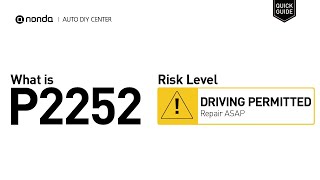
Trust me, this isn’t something to shrug off. Let a bad O2 sensor or a wiring issue go long enough, and you’ll end up burning more gas, dealing with a rougher idle, and risking damage to your catalytic converter-and that part’s no cheap date. Your car’s emissions will spike, and you might end up failing a smog check. Bottom line? If this code’s lit up, get it sorted before it leaves you with a much bigger repair bill.
Repair solutions for P2252 engine code
Here’s what’s fixed a p2252 code for me, time and again, following both my own experience and the OEM playbook:
- Patch up or replace any damaged wiring or connectors at the O2 sensor
- Fix any exhaust leaks that could be messing with the sensor’s readings
- If the upstream O2 sensor (Bank 1, Sensor 1) is shot, swap it out for a new one
- If, after all that, it’s the PCM at fault (which is rare), reflash or replace it as needed
Once you make the fix, clear the code and take the car for a spin. If the light stays off, you know you nailed it.
Conclusion
In a nutshell, P2252 means your engine’s computer isn’t getting the right message from the upstream O2 sensor on bank 1-usually because of a bum sensor or a wiring hiccup. Don’t sit on this one. If you put off the fix, you’re asking for worse performance, lousy mileage, and maybe even a toasted catalytic converter down the line. Your best bet? Start with a close look at the wiring and connectors, fix what you find, and swap the sensor if it’s the culprit. The sooner you get on top of it, the less pain your wallet will feel.
 5515
5515 5 minutes of reading