
Causes of P2287 code
From my experience in the shop, the most common reasons for a P2287 code on a Ford are:
- A faulty Injector Control Pressure (ICP) sensor itself-these do wear out or fail.
- Wiring harness issues, like broken, corroded, or loose wires going to the ICP sensor. This is a big one, especially if the truck’s seen a lot of road salt or off-road use.
- Problems with the electrical connector at the ICP sensor-sometimes the pins get bent, pushed out, or corroded.
It’s rare, but sometimes the issue can be deeper in the engine control module or related circuits, but nine times out of ten, it’s the sensor or its wiring.
Symptoms of dtc P2287
When this code pops up, you’ll usually notice the check engine light come on right away. Depending on how bad the issue is, you might also feel the engine running rough, have trouble starting, or notice a lack of power-especially when you’re trying to accelerate or tow. Sometimes, the truck will go into a sort of ‘limp mode’ to protect itself, so you might not be able to get up to speed like normal. If you’re seeing any of these, don’t ignore them-things can get worse fast.

Diagnosis and P2287 trouble code
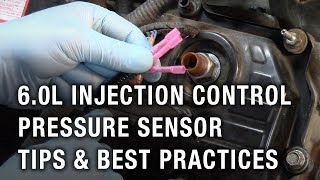
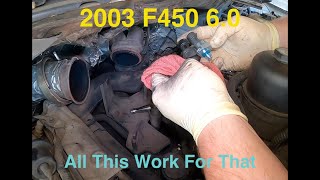
Here’s how I’d tackle this one in the shop, and you can do some of these checks yourself if you’re comfortable. First, I always start with a visual inspection. Pop the hood and find the ICP sensor-on most Fords, it’s on the high-pressure oil rail. Check the wiring harness and connector for any obvious damage: look for frayed wires, corrosion, or loose connections. Sometimes, just wiggling the connector can make the problem come and go, which is a big clue. Next, I recommend unplugging the sensor and checking the pins-make sure none are bent, pushed back, or green with corrosion. If everything looks good, I’ll use a scan tool to check the live data from the ICP sensor and see if the readings make sense. If the readings are way off or jump around, I’ll test the sensor itself with a multimeter, following the factory specs. If the sensor and wiring check out, then it’s time to look deeper-maybe at the engine computer or related circuits, but honestly, it’s usually one of the first things I mentioned.
Common Mistakes When Fixing P2287 engine code
One thing I see a lot is folks just replacing the ICP sensor without checking the wiring or connector first. That’s a surefire way to waste money if the problem is actually a broken wire or corroded pin. Another common mistake is not clearing the code and retesting after making a repair-sometimes the code will come back if the real issue wasn’t fixed. Don’t skip the basics, and always double-check your work before moving on.

Seriousness of P2287
This isn’t something you want to put off. If the ICP sensor or its wiring is acting up, your engine isn’t getting the right fuel pressure, which can lead to poor performance, hard starting, or even stalling. In the worst case, running with the wrong fuel pressure can damage your injectors or high-pressure oil system, and those repairs get expensive fast. Honestly, it’s dangerous to ignore this-things can go south quickly, especially if you lose power on the road or while towing.
How to Repair obd2 code P2287
Here’s what I usually do to fix a P2287 code:
- Repair or replace any damaged wiring or connectors at the ICP sensor. Clean any corrosion and make sure the pins are straight and tight.
- If the wiring and connector are good, replace the ICP sensor with a new, OEM-quality part.
- Clear the code with a scan tool and take the vehicle for a test drive to make sure the problem is gone.
- If the code comes back, dig deeper into the engine control module or related circuits, but that’s pretty rare in my experience.

Conclusion
To sum it up, P2287 is a code you don’t want to ignore-it means your engine’s fuel control system isn’t getting the right information, and that can cause all sorts of headaches. Start by checking the wiring and connector at the ICP sensor, since that’s where most problems show up. If that’s not it, the sensor itself is the next likely culprit. Don’t delay on this one-the risks just aren’t worth it, and fixing it promptly is the best way to keep your engine running strong and avoid bigger, more expensive repairs down the road.
 5150
5150 5 minutes of reading