
Causes of P22A3
From what I’ve seen in the shop and based on official repair data, the most common reasons for a P22A3 code are:
- A broken or damaged wire going to the NOx sensor heater circuit-this is the usual suspect.
- A loose, corroded, or disconnected connector at the sensor itself.
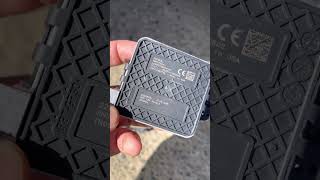
- A failed NOx sensor (the heater element inside can burn out over time).
- Blown fuse or relay that supplies power to the sensor heater.
- Less often, a fault in the engine control module (ECM) or wiring further up the harness.
Most often, it’s a wiring or connector issue, but I’ve seen my share of failed sensors too.
Symptoms of obd code P22A3
With this code active, the check engine light is almost always staring you in the face. Now, you might not notice any big changes in how the car drives right away, but here’s what could crop up:
- Fuel economy slowly starts to dip. Not enough to notice overnight, but over a few tanks, you’ll see it.
- Maybe you’ll get a dash warning about your emissions or exhaust system acting up.
- In odd cases, if the system keeps flagging issues, the engine might throw itself into limp mode to protect itself. That’s rare, but I’ve seen it happen.
Honestly, most drivers just see the warning light and ignore it. My advice? Don’t. Leaving it alone can open the door to bigger, pricier troubles later on.

Diagnosis steps for obd2 code P22A3
Here’s my step-by-step process from years in the bay, and there are a few checks you can do before heading to your mechanic:
- Start simple: Clear the code and see if it comes right back. Sometimes, it’s a one-off glitch. If it sticks, time to dig deeper.
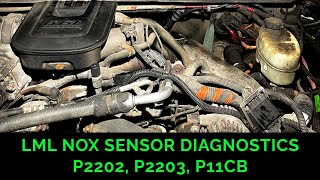
- Pop the hood and take a hard look at the wiring and connector on that downstream NOx sensor. Tug gently, look for cracks, corrosion, or anything that seems off. I always have someone wiggle the harness while I keep an eye on the sensor-sometimes that’s all it takes to spot a fault.
- Next, check the fuse and relay for the heater circuit. If you’re unsure which is which, your owner’s manual or a fuse box diagram will help.
- If everything looks clean, grab a multimeter. Check for voltage and a solid ground at the sensor’s connector. Find no power? That means chasing the wire back to the fuse box or ECM for a break or a short.
- If the wiring and power are solid, odds are the heater inside the sensor is toast. I use an ohmmeter to check the heater’s resistance. If it reads open (infinite resistance), the heater’s cooked and it’s time for a new sensor.
One last thing: always double-check the connector pins for looseness or greenish corrosion before you start replacing parts. I can’t tell you how many times it’s just a dirty or bent pin causing all the trouble.
Common mistakes with P22A3 engine code
A classic mistake I see-folks go straight for a new NOx sensor without checking the basics: wiring and fuses. That’s an easy way to spend a bunch of money and still have the same problem. Another one? Skipping a close look at the sensor connector. Sometimes, all it takes is a tiny bit of corrosion or a pin that’s not seated right to kill the circuit. Forgetting to confirm power and ground at the connector is another trap. Always start with those simple checks before you start swapping out pricey sensors.

Seriousness of P22A3 trouble code
Let’s put it this way-this isn’t a code you want to ignore. Sure, your car might run just fine for a while, but a dead NOx sensor heater means your emissions system isn’t doing its job. That spells more pollution, a sure-fire emissions test failure, and-if you wait long enough-potential damage to your catalytic converter. I’ve had customers bring me cars with ruined cats because they let this go for too long. Trust me, you don’t want that bill.
Repair solutions for dtc P22A3
Here’s what actually works, both from the factory playbook and real-world experience:
- Fix or replace any damaged wires or connectors on the NOx sensor heater circuit.
- Swap out any blown fuses or dodgy relays that feed power to the heater.
- If the sensor’s heater element is open or burned out, replace the downstream NOx sensor-use a quality OEM part for best results.
- If you’ve run through all of that and the issue’s still there, you might be looking at a bad ECM. That’s rare, though, and I only go there after every other avenue’s been exhausted.
Once you’ve made repairs, clear the code and take her for a spin. If the light stays off, you’re in the clear.

Conclusion
Bottom line? P22A3 means your downstream NOx sensor heater isn’t getting power-most likely thanks to a wiring gremlin or a fried sensor. Don’t let it slide, because the longer you wait, the bigger the repair bill can get. Start with the basics: check your wiring, connectors, and fuses before shelling out for a new sensor. If you take it step by step, you’ll get it sorted without throwing money at the wrong parts. Fixing it early keeps your emissions system healthy and your ride running smooth-just the way it should.

 3630
3630 6 minutes of reading