
Causes of dtc P2303
From my time under the hood and what the service bulletins spell out, here are the main troublemakers behind a p2303 code:
- A short to ground in the control circuit for Ignition Coil B-nine times out of ten, this means damaged insulation or a wire that's gotten pinched somewhere along the harness.
- A coil pack for Coil B that’s failed-sometimes the coil itself just gives up the ghost internally and shorts the circuit.
- Issues in the wiring harness heading to the coil-think frayed wires, busted connectors, or a good dose of corrosion.
If you ask me, wiring problems top the list, but I’ve definitely seen my share of failed coils too, especially as vehicles rack up the miles.
Symptoms of P2303 trouble code
If you’re staring down this code, here’s what you’ll probably notice. First, that pesky check engine light will come on. Past that, you might feel the engine running rough, particularly when you’re idling or putting your foot down. Misfires, hesitation, maybe even stalling-all on the table. In worse cases, you might twist the key and get nothing, leaving you stranded. Keep driving like this and you could see a drop in power and your fuel mileage nosedive. In short, your car just won’t feel right-ignore it, and you’re asking for bigger headaches down the road.

Diagnosis steps for P2303
Here’s how I tackle this issue in the shop, step by step:
- I always kick things off by clearing the code and seeing if it comes right back. Sometimes a code pops up by accident, but if it returns immediately, it’s time to roll up your sleeves.
- Next move: a careful look at the wiring and connectors going to Ignition Coil B. I’m checking for melted insulation, pinched or chafed wires, corrosion, or any connectors that don’t sit right. Having a helper wiggle the harness while you’re watching can reveal hidden issues.
- Then, I’ll unplug the coil and use a multimeter to check the control wire for continuity to ground. If you get a beep or a reading close to zero ohms, you’re staring at a short to ground.
- If the wiring checks out, I’ll swap the suspect coil with another one (if possible) to see whether the fault moves with the coil or stays put. That’s a quick way to tell if the coil itself is the villain.
- One last thing-don’t overlook the PCM connector. Water intrusion or bent pins at the computer can throw everything off, so give it a close look.
Trust me, taking a thorough approach saves hours of chasing your tail. Miss a bad wire, and you’ll be back at square one before you know it.
Common Mistakes when fixing obd2 code P2303
A classic mistake I see in the garage is folks rushing to slap in a new ignition coil without checking the wiring first. That’s a fast way to spend money for nothing if a wire’s shorted out somewhere. Another common misstep? Ignoring the connectors-corrosion or a bent pin can be all it takes. And don’t forget: always clear the code and see if it returns before you start swapping parts. Skipping these steps just leads to wasted time and unnecessary frustration.

Seriousness of P2303 engine code
Don’t let this one slide. I’ve seen shorted ignition circuits lead to persistent misfires, and that can fry your catalytic converter or even do real damage to the engine if you ignore it long enough. If your engine’s stalling or refusing to start, you risk getting stranded-not something you want to deal with. Electrical gremlins like this can spiral fast, so don’t take chances. Nip it in the bud before it snowballs into a much bigger (and pricier) fix.
Repair solutions for P2303 code
Here are the repairs that have fixed this code in my experience:
- Repair or replace any damaged wiring in the control circuit for Ignition Coil B-this is often where the trouble starts.
- If testing proves the ignition coil is toast, go ahead and replace it.
- Spruce up or swap out any corroded or busted connectors at the coil or PCM.
- And on the rare occasion that the PCM itself is fried (which isn’t common), replacement might be needed-but only after you’ve ruled everything else out.
My advice? Stick with OEM parts and follow the factory repair steps. It’s the best way to make sure this code doesn’t haunt you again.
Conclusion
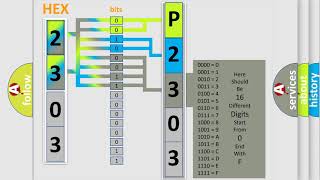
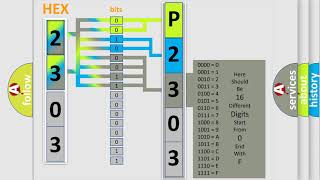
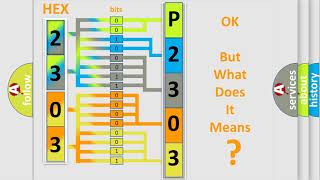
To wrap it all up, a P2303 code means your PCM found a short to ground in the control circuit for Ignition Coil B. Don’t brush this off-it can cause misfires, rough running, and even engine damage if ignored. The smart play is to do a detailed check of your wiring and connectors, test the coil, and only replace what’s actually bad. Move quick-getting this sorted is the key to keeping your ride running smooth and safe.

 4637
4637 5 minutes of reading