
Causes of P2327 Trouble Code
From experience, I can say that the most common reasons for P2327 popping up are pretty consistent across brands. Here’s what usually triggers it:
- A faulty ignition coil (the coil itself has failed)
- Damaged wiring or harness to the coil (could be open, shorted, or corroded)
- Poor electrical connection at the coil’s connector (loose, bent, pushed out, or corroded pins)
Symptoms of P2327 Code
If you’re driving with this code active, you’ll probably notice a few things. The check engine light will be on-that’s a given. But more importantly, you might feel the engine running rough, especially at idle or under load. Sometimes, there’s a noticeable misfire, which can make the car shake or hesitate. In some cases, you’ll smell unburned fuel or notice a drop in fuel economy. If it’s really bad, the car might struggle to start or even stall. I’ve seen drivers ignore these symptoms, but honestly, things can go south quickly if overlooked.

Diagnosis Steps for P2327
Here’s how I usually tackle this code, step by step:
- Start with a visual inspection. Pop the hood and look at the ignition coil in question (coil 'J' or coil 10). Check for obvious damage, cracks, or burn marks.
- Inspect the wiring harness and connector. Make sure the wires aren’t frayed, pinched, or broken. Look closely at the connector pins-they should be straight, clean, and not pushed out or corroded.
- Give the connector a gentle wiggle while the engine’s running. Sometimes a loose connection will cause the engine to stumble or the light to flicker.
- If everything looks good, swap the suspect coil with another cylinder (if your engine allows it). If the problem moves, you’ve found a bad coil.
- Use a multimeter to check for voltage and ground at the coil connector. You want to see proper voltage when the key is on and a solid ground.
- If you’re comfortable, check continuity through the harness back to the PCM. This step is a bit more advanced, so it’s better to have someone assist you if you’re not sure.
Common Mistakes When Fixing OBD2 Code P2327
I’ve seen a few common mistakes when folks try to fix this themselves. The biggest one is replacing the coil without checking the wiring or connector first. Another is overlooking corrosion or bent pins in the connector-these tiny details can cause big headaches. Some people skip the swap test and end up replacing multiple coils unnecessarily. And sometimes, the harness gets ignored entirely, even though a broken wire is a surefire way to end up in trouble. It’s best to start with something simple and work your way up.

Seriousness of OBD Code P2327
This isn’t the kind of issue you want to put off for later. A misfiring coil can lead to raw fuel entering the exhaust, which can damage your catalytic converter-a very expensive part. It also puts extra stress on the engine and can cause further electrical problems. Honestly, it’s dangerous to ignore this, especially if the misfire gets worse. You don’t want this kind of trouble on the road, as it can lead to breakdowns or even safety hazards if the engine stalls in traffic.
Repair Solutions for DTC P2327
Here’s what I personally recommend for fixing P2327, based on what works in the shop:
- Replace the faulty ignition coil with a new, OEM-approved part.
- Repair or replace any damaged wiring or connectors at the coil.
- Clean and secure all connector pins to ensure a solid electrical connection.
- If the harness is damaged further back, splice in new wire as needed.
- Clear the code and test drive to make sure the issue is resolved.


Conclusion
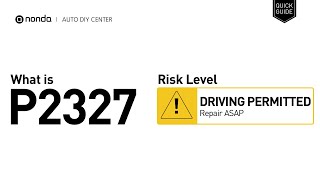
To sum it up, P2327 means your car’s computer isn’t happy with the way one ignition coil is being powered. It’s a high-priority issue because it affects engine performance and can cause expensive damage if ignored. The most reliable fix is to start with a careful inspection, swap the coil if possible, and repair any wiring or connector issues you find. Don’t wait-acting quickly keeps your engine healthy and saves you from bigger problems down the road.
 3737
3737 5 minutes of reading