
Causes of dtc P2331
From my time under the hood, here’s what usually sets off a P2331:
- Bad ignition coil-sometimes they short inside or the electronics just give up
- Wiring gremlins: chafed, corroded, or loose connectors in the coil’s circuit
- A popped fuse or crusty relay in the ignition system
- PCM acting up (doesn’t happen often, but I’ve seen it)
- Issues with the crank or cam sensor circuits, or the sensors themselves getting flaky
In reality, most of the time it comes down to the coil or its wiring, though I’ve chased down my share of fuse and relay problems, too.
Symptoms of P2331
When this code sets, you’ll usually spot a few telltale symptoms. Here’s what I see most in the bay:
- Engine just feels off-maybe sluggish, maybe rough, but definitely not happy
- Misfires crop up, sometimes you’ll feel it stumble, especially when you ask for more power
- Burning more fuel than usual-watch your gas gauge drop faster than normal
- Sometimes, the engine computer will even shut off the fuel injector for that cylinder to protect things, which makes the misfire really stand out
If your ride is showing any of these, odds are good this code is the culprit.

Diagnosis steps for P2331 trouble code
When I’m chasing down a P2331, here’s my playbook:
- First thing-scan for any other trouble codes. Sometimes, they’ll shine a light on a related issue.
- Next up, I look over ignition coil "K" and its wiring. Broken insulation, loose or corroded plugs-those are red flags. Try wiggling the harness while watching for changes; it’s simple but surprisingly effective.
- Don’t forget to check fuses and relays tied to ignition. I’ve had more than one "bad coil" turn out to be a blown fuse.
- Grab your multimeter and check for voltage and ground at the coil connector. If it’s not getting what it needs, the coil won’t fire right.
- If nothing jumps out, I’ll swap the suspect coil with one from another cylinder (if the design allows it). If the code follows the coil, bingo-you found the bad one.
- If you’re still stumped, dig into the PCM and sensor wiring. While rare, I’ve seen those cause headaches, too.
Clear the code and take it for a test spin after each step-sometimes the answer shows itself in the road test.
Common mistakes with P2331 engine code
A classic mistake I see? Folks tossing in a new ignition coil right off the bat, skipping a look at the wiring or fuses. That’s an expensive misstep. Another one is not confirming which coil "K" actually is-different engines, different labeling. Always double-check your info. And whatever you do, don’t skip checking fuses and relays; it’s a five-minute job that can save you hours.

How serious is obd2 code P2331
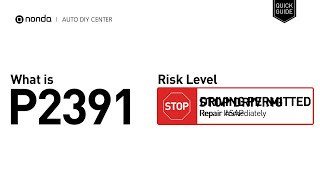
Let me be blunt-this isn’t the kind of code you ignore. A misfiring cylinder means raw fuel could end up in your exhaust, putting your catalytic converter at risk-and trust me, you don’t want to shell out for a new one. Not to mention, driving with misfires can leave you stranded and can turn a small fix into a wallet-busting repair. Play it safe and tackle this one sooner rather than later.
How to repair obd code P2331
Here’s what’s worked for me time and time again when fixing a P2331:
- Swap out the ignition coil if it fails tests or if moving it makes the code jump to another cylinder
- Track down and fix any damaged wires or sketchy connectors in the coil’s circuit
- Replace any blown fuses or crusty relays found in the ignition circuit
- If all that checks out and the problem’s still there, have the PCM and sensor circuits checked out-rare, but not impossible
Always start with the simple stuff. Wires, fuses, and relays are cheap and easy compared to tearing into the engine’s electronics.


Conclusion
Bottom line? P2331 means there’s too much voltage in ignition coil "K"’s circuit, and that spells trouble for your engine’s performance and long-term health. Don’t kick this can down the road-address it head-on. Start with the basics: check your wiring, fuses, and relays, then move on to coil testing or swapping. Nine times out of ten, fixing the coil or cleaning up the wiring gets you back on the road. Stay methodical, don’t skip steps, and you’ll save yourself a lot of headaches-and cash-in the long run.
 4172
4172 5 minutes of reading