
Causes of P2406 engine code
From what I’ve seen in the shop, the most common reasons for a P2406 code are:
- A faulty leak detection pump-this is the part that pressurizes the EVAP system to check for leaks.
- Wiring issues, like an open or shorted harness going to the pump. Sometimes wires get damaged, corroded, or loose.
- Poor electrical connections at the pump or its connectors. A loose or corroded pin can throw things off.
- A defective purge valve, which is part of the system that manages vapor flow.
- A clogged or damaged charcoal canister, which stores fuel vapors. This is less common, but I’ve seen it happen.
For Jaguar, these are the main suspects, but if you have a different make, the specific component might change-always check your vehicle’s details.
Symptoms of P2406
When this code is active, you’ll usually notice the check engine light coming on. Most drivers don’t feel any difference in how the car runs, since this is an emissions-related issue. You probably won’t notice rough idling or performance drops, but if the EVAP system is leaking, you might smell fuel vapors around the car, especially after filling up. In rare cases, if the purge valve or canister is really clogged, you could have trouble fueling up or notice a slight hesitation, but that’s not typical.

Diagnosis steps for dtc P2406
Here’s how I’d go about tracking down a P2406 code, step by step:
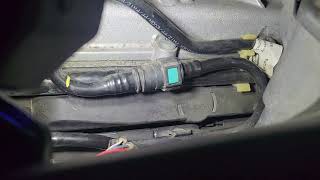
- First, I always start with a visual inspection. Pop the hood and look at the wiring and connectors going to the leak detection pump. Look for frayed wires, corrosion, or loose plugs. It’s easy to miss a damaged wire, so take your time.
- Next, I check the pump itself. Sometimes you can hear it run during the EVAP test cycle, but if you’re not sure, you can use a scan tool to command it on and see if it responds.
- Don’t forget to check the purge valve and the charcoal canister. Make sure the hoses aren’t cracked or disconnected, and look for signs of clogging or damage.
- If everything looks good visually, I use a multimeter to check for proper voltage and ground at the pump connector. If you’re comfortable, you can do this yourself, but if not, it’s best to have a technician handle it.
- Finally, I clear the code and run the EVAP test again to see if it comes back. If it does, that’s a sign the pump or one of the related components is faulty.
It’s always better to have someone help you, especially when checking under the car or dealing with electrical connectors.
Common Mistakes when fixing P2406 trouble code
One thing I see a lot is folks jumping straight to replacing the pump without checking the wiring or connectors first. That’s a surefire way to waste money if the real problem is just a loose pin or corroded wire. Another mistake is ignoring the purge valve and canister-these can cause the same code if they’re clogged or stuck. Skipping the visual inspection is another big one; sometimes the issue is right in front of you if you just look closely.

Seriousness of obd code P2406
This isn’t something you want to ignore. While it might not cause immediate drivability problems, letting it go can lead to bigger headaches. If the EVAP system isn’t working right, you could end up failing an emissions test, and in the worst case, fuel vapors could leak, which is a fire hazard. Over time, a bad pump or electrical issue can also damage other parts of the EVAP system, like the canister or purge valve. Honestly, things can go south quickly if you overlook this, so don’t put it off for later.
Repair solutions for P2406 code
Here’s what usually fixes a P2406 code:
- Repair or replace any damaged wiring or connectors going to the leak detection pump.
- If the pump itself is faulty, swap it out for a new one. Make sure to use the correct part for your vehicle.
- Clean or replace the purge valve if it’s sticking or not sealing properly.
- If the charcoal canister is clogged or damaged, replace it.
- After repairs, always clear the code and run the system test again to make sure everything’s working as it should.
I personally recommend starting with the simple stuff-wiring and connectors-before spending money on parts.
Conclusion
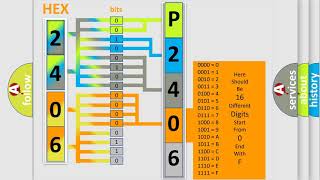
To sum it up, P2406 means your car’s EVAP system is having trouble with the leak detection pump circuit, usually due to a wiring issue, bad pump, or a related component like the purge valve or canister. It’s not something to ignore, since it can lead to emissions failures and even safety risks if vapors leak. The best way forward is to start with a careful inspection, fix any obvious wiring or connector problems, and only replace parts if you’re sure they’re faulty. Acting quickly is the safest bet and will save you trouble down the road.
 3955
3955 5 minutes of reading