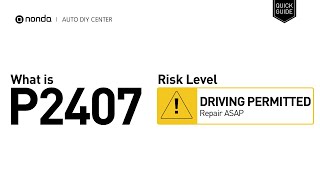
Let me break down what’s really going on with a P2407 code-something I’ve run into more than a few times over the years. When your car’s PCM (that’s the main computer calling the shots) throws up this code, it’s basically telling you it’s not getting the right voltage readings from the leak detection pump sensor in your EVAP system. Now, the EVAP system is what keeps fuel vapors from sneaking out into the air. That sensor and pump combo? They’re constantly checking the system’s pressure for leaks. If the sensor starts sending weird numbers-or goes silent altogether-the PCM will flag P2407. In plain English, your car’s saying, “I can’t tell if we’re sealed up tight.” Not only does this matter for the environment, but a compromised EVAP system can bring on performance issues if you let it slide. Don’t shrug this off; I’ve seen little issues like this snowball into bigger headaches down the road.
DTC P2407
 5358
5358 6 minutes of reading
Causes of dtc P2407
From my time under the hood, P2407 is usually rooted in something pretty straightforward. Nine times out of ten, the trouble starts with the leak detection pump or its wiring. Here’s what I typically find behind p2407:
- A leak detection pump that’s gone bad-sometimes the sensor inside gets stuck or just gives up
- Problems with the wiring harness, like open circuits, shorts, or wires chewed up by rodents (don’t ask me how many times I’ve seen that!)
- Corroded or loose connectors at the pump-easy to miss if you’re not looking for it
- A purge valve that isn’t sealing or moving the way it should
- A charcoal canister that’s clogged up or failed, messing with pressure readings
- Every once in a while, the PCM itself is the culprit, though that’s rare
If you’re chasing down this code, always start with the pump and wiring. That’s where I find most gremlins hiding.
Symptoms and obd code P2407
So, what’s it look like when you get hit with a P2407? For most folks, the only sign is that pesky check engine light staring back at you. Truth is, your car will probably drive just fine-no weird smells, no sputtering, nothing obvious. But that light is your early warning. Ignore it, and you might miss bigger problems if the system can’t sniff out leaks anymore. I’ve seen people let it go for months, only to regret it later.

Diagnosis steps for obd2 code P2407
When I’m handed a P2407, I always start with the basics before tearing into anything expensive. Here’s how I tackle it:
- First thing’s first: scan for any other codes. Sometimes P2407 likes to show up with friends, and those can steer you to the real issue.
- Next up, I do a good visual inspection of the wiring and connectors at the leak detection pump. Look for anything out of place-broken wires, loose plugs, corrosion. A good trick is to have someone gently flex the harness while you watch for changes.
- With the right meter, I’ll check for proper voltage at the pump connector. If the readings are off, you’re most likely looking at a bad pump or busted wiring.
- Don’t overlook the purge valve and charcoal canister. A stuck valve or plugged canister can mess with sensor readings and throw codes like this.
- If everything else checks out but P2407 keeps coming back, I’ll turn my attention to the PCM and its connectors. Not common, but I’ve seen it once or twice.
Always have your specific vehicle’s repair manual handy-the little details can change from one make and model to another. Trust me, that manual has saved my bacon more than once.

Common Mistakes with P2407 engine code
A classic mistake I see in the shop is folks rushing to swap out the leak detection pump without first checking the wiring or connectors. That’s a quick way to burn cash for no reason. Another one? Forgetting to inspect the purge valve and charcoal canister-if either is clogged or malfunctioning, you’ll be chasing your tail. Skipping a thorough visual check is just asking for trouble; sometimes it’s as simple as a connector that’s worked its way loose. Always take a step back and look at the big picture before replacing parts.

Seriousness of P2407 trouble code
While a P2407 won’t usually leave you stranded on the side of the road, it’s not something you want to ignore. The EVAP system is there for a reason-keeping fuel vapors where they belong. Let this go, and you’re not only letting emissions slip out, but you’re also risking more costly repairs down the line, like a ruined charcoal canister or even PCM issues. I always warn folks: ignore this, and you could miss a real fuel leak, which is a serious safety hazard. Play it safe and get it sorted sooner rather than later.
Repair solutions for P2407 code
When it comes to fixing a P2407, here’s my usual playbook, depending on what I find:
- Patch up or replace any damaged wiring or connectors at the leak detection pump
- If the pump’s toast, swap it out for a new one
- Clean or replace the purge valve if it’s sticking or not sealing properly
- If the charcoal canister’s blocked or busted, don’t hesitate to put in a fresh one
- On those rare occasions, repair or reprogram the PCM if it’s at fault
After making repairs, always clear the code and retest the system. I can’t tell you how many times I’ve seen someone skip this, only to end up right back where they started.
Conclusion
Bottom line: if you’re seeing P2407, your car’s not happy with what it’s hearing from the leak detection pump sensor in the EVAP system. It’s not an emergency, but don’t drag your feet. Jump on it early, and you’ll dodge bigger headaches and steeper repair bills later. Start by checking the wiring and connectors, then move on to the pump, purge valve, and charcoal canister. Tackling the root cause will shut off that check engine light and keep your emissions system running right. And if you’re not comfortable taking these steps, there’s no shame in calling in a pro-sometimes a fresh set of eyes (and hands) is exactly what’s needed.