
Causes of obd code P245F
From experience, the most common reasons I see for a P245F code are:
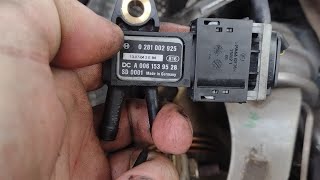
- A faulty DPF pressure sensor-these sensors can fail over time or get clogged with soot.
- Wiring issues-broken, corroded, or loose wires and connectors between the sensor and the engine computer.
- Damaged or disconnected pressure hoses-these are the small tubes running from the exhaust to the sensor, and they can crack, split, or even fall off.
- Excessive soot or ash buildup inside the DPF itself-if the filter is too full, it can throw off the pressure readings.
For both Ford and GMC, these are the main culprits. I’ve seen all of them in the shop, and sometimes it’s a combination. It’s best to start with the simple stuff before assuming the worst.
P245F Warning Signs and Symptoms
When this code is active, you’ll usually notice the check engine light come on. Sometimes, that’s the only sign. But in more severe cases, you might feel the engine losing power, especially when accelerating or going uphill. The truck might even go into a ‘limp mode’ to protect itself, which really limits your speed and power. If the DPF is clogged, you could also notice more frequent regeneration cycles, higher fuel consumption, or even a bit of smoke from the tailpipe. If you’re seeing any of these, don’t ignore them-things can get worse fast.

P245F trouble code Diagnostic Steps
Here’s how I usually tackle a P245F code in the shop, and you can do some of these checks yourself if you’re comfortable:
- First, I start with a visual inspection. Pop the hood and look at the wiring and connectors going to the DPF pressure sensor. Make sure nothing’s loose, broken, or corroded. Sometimes a simple wiggle test will reveal a bad connection.
- Next, check the pressure hoses. These are usually small rubber or silicone lines running from the exhaust to the sensor. Look for cracks, splits, or if they’ve come off entirely. If you see soot or moisture around the connections, that’s a red flag.
- If everything looks good, I’ll use a scan tool to check live data from the sensor. I compare the readings at idle and under light throttle. If the numbers don’t make sense or don’t change, the sensor itself might be bad.
- If the sensor and hoses check out, I’ll look at the DPF itself. Excessive soot or ash buildup can cause high pressure readings. Sometimes, a forced regeneration or even a DPF cleaning is needed.
- Don’t forget to check for related codes-sometimes there’s more than one issue at play.
It’s better to have someone assist you if you’re not familiar with these parts, and always let the exhaust cool down before poking around under the truck.
Common Mistakes with P245F engine code
I’ve seen folks jump straight to replacing the DPF or the sensor without checking the basics first. One of the biggest mistakes is ignoring the hoses-they’re cheap and easy to fix, but often overlooked. Another common slip-up is not checking the wiring for corrosion or loose pins at the connectors. Also, some people clear the code and hope it won’t come back, but that’s just asking for more trouble down the road. Always make sure you’ve found and fixed the root cause before resetting anything.

Seriousness of P245F code Issues
This isn’t something you want to put off. If you ignore a P245F code, you risk damaging the DPF, which is an expensive part to replace. Worse, your engine could start running poorly, use more fuel, or even shut down to protect itself. In the worst cases, you could end up stranded or facing a much bigger repair bill. The DPF and its sensors are there for a reason-if they’re not working right, you’re not just risking your wallet, but also your safety and the environment. Things can go south quickly if overlooked, so don’t wait to get this checked out.
Repair Solutions for obd2 code P245F
The typical fixes I see for this code are:
- Replacing the DPF pressure sensor if it’s faulty or giving bad readings.
- Repairing or replacing damaged or disconnected pressure hoses.
- Cleaning or replacing corroded or damaged wiring and connectors.
- If the DPF is clogged, performing a forced regeneration or, in severe cases, removing the filter for cleaning or replacement.
Always start with the simple stuff-hoses and wiring-before moving on to the more expensive parts. That’s saved a lot of my customers time and money over the years.


Conclusion
To sum it up, P245F means your vehicle’s DPF pressure sensor isn’t reading right, and that can point to anything from a loose hose to a clogged filter. It’s a moderate to high priority code-you don’t want to ignore it, because it can lead to bigger problems fast. The best way forward is to check the hoses, wiring, and sensor first, then look at the DPF itself. Most of the time, the fix is straightforward if you catch it early. Don’t let this one slide-get it checked out and fixed before it turns into a much bigger headache.

 5291
5291 5 minutes of reading