
Main Causes of obd code P2464
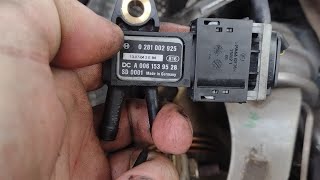
In the shop, I’ve found that nine times out of ten, it’s all about that differential pressure sensor. Here’s what I see most often:
- The sensor’s simply given up-maybe from age, maybe from moisture or debris.
- Wiring harness issues: I’ve traced more than a few of these to a wire that’s rubbed through, broken, or shorted out somewhere along the harness.
- Connectors at the sensor can be sneaky-corrosion, bent pins, or sometimes a pin pushed back just enough to lose contact.
- A leaky or damaged DPF isn’t super common for this code, but I’ve seen it happen, especially if the exhaust system’s taken a hit.
On Ford and GMC especially, these are your heavy hitters. My advice? Check the sensor and wiring before throwing parts at the problem. And don’t forget-p2464 can pop up on both these brands.
Common Symptoms of P2464 trouble code
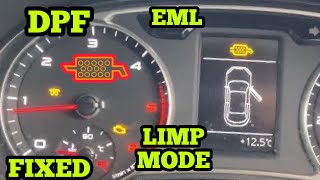
First thing you’ll probably notice-a check engine light staring back at you. Sometimes you’ll get a “Service Engine Soon” or “Check Exhaust System” message too. Early on, you might not feel any change in how your truck drives. That’s what throws a lot of people off. But if you let it go, things can snowball-reduced power, engine going into limp mode, and that’s when you really start to feel it. Most folks only spot the warning lights at first, but trust me, ignoring them isn’t worth it.

Steps for Diagnosing P2464
Here’s how I tackle a P2464 when it rolls into my bay:
- I always start by checking the wiring and connectors at the differential pressure sensor. Loose plug? Corrosion? Broken wire? Get someone to wiggle the harness while you’re watching live data-sometimes that intermittent drop is the giveaway.
- Next, unplug the sensor and take a close look. Dirt, water, or a green tint from corrosion? That’s your clue.
- The hoses to and from the DPF are easy to forget. I run my hands down both lines-if they’re cracked, blocked, or hanging loose, you’ve found your problem.
- If the basics check out, I fire up the scan tool and compare sensor readings to spec. Way out of line? Sensor’s likely toast.
- And here’s a pro-tip: always search for Technical Service Bulletins (TSBs) for your make and model. Sometimes the manufacturer’s already seen this before and has a fix ready.
I’ve learned the hard way-always start simple. Visual checks can save you hours of chasing ghosts in the wiring.
Common Mistakes During P2464 code Troubleshooting
A classic mistake I see-folks jump straight to replacing the DPF. Don’t! Nine times out of ten, it’s a bad sensor or a wiring issue, not the filter itself. Another thing? Overlooking those tiny connector pins. Just a bit of corrosion or a bent pin can wreak havoc. Skipping the basics and going for the big-ticket fix first usually leads to wasted cash and frustration. Take it from me: start with the simple stuff every time.

How Serious is the P2464 engine code
If there’s one thing you don’t want to procrastinate on, it’s a P2464. I’ve seen what happens when this code gets ignored-emissions go up, the DPF clogs, and you’re risking turbo and exhaust damage down the line. Eventually, your engine might throw itself into limp mode, and suddenly your truck’s barely moving. The longer you leave it, the bigger the repair bill. So if you spot this code, make it a priority.
Recommended dtc P2464 Repair Steps
Here’s what works best, straight from my years in the garage:
- If the differential pressure sensor’s bad, swap it out for a new one.
- Find any damaged or crusty wiring or connectors at the sensor and repair or replace as needed.
- Don’t forget the hoses-clean or replace them if they’re plugged, cracked, or falling apart.
- If, on rare occasions, the DPF itself is leaking or busted, then you’ll need to replace it. But that’s not the first thing I’d suspect with p2464.
After every fix, clear the code and take the car for a solid test drive. That’s the only way to know for sure you’ve nailed it.
Conclusion
If you’re facing a p2464, you’re dealing with a DPF system that’s not reading pressure correctly-most often because of a worn-out sensor or a wiring hiccup. Tackle this one head-on: check the wiring and connectors first, and only move to bigger repairs if the basics check out. Ignore it, and you’re asking for expensive headaches and a truck that just won’t run right. Stick with the manufacturer’s diagnostic process, and start with the sensor and wiring-that’s how you get it fixed right the first time. Don’t drag your feet on this code. The sooner you sort it, the less pain (and cash) you’ll face down the line.
 4440
4440 5 minutes of reading