
Causes and dtc P2471
From my time under the hood, the number one cause for a p2471 code is a worn-out or failed exhaust gas temperature (EGT) sensor. But don’t let that fool you-issues with the wiring, like a cracked wire, loose connector, or a bit of corrosion, can just as easily be the culprit. Occasionally, though not often, I’ve seen the PCM itself be the source, but that’s usually a last-resort diagnosis. Here’s what usually turns up behind this code:
- Defective EGT sensor (hands down the most common issue)
- Wire harness or connectors that are damaged, shorted, or showing signs of corrosion
- PCM failure (rare, but it happens)
Start with the sensor and wiring-they’re almost always to blame before you point fingers at the PCM.
Symptoms and P2471 trouble code
Whenever this code shows up, you’ll notice that dreaded check engine light staring you down from the dash. More often than not, the car will slip into what the industry calls ‘limp mode’-essentially, the computer limits your power to keep things safe. You’ll feel the engine isn’t pulling like it should, acceleration is weak, and everything just feels, well, sluggish. Sometimes that’s the only clue, but don’t ignore it-your car is waving a red flag for a reason.

Diagnosis using obd code P2471
Let me walk you through how I’d chase down a p2471 code, step by step. If you’re comfortable popping the hood and checking a few basics, here’s what I’d suggest:
- Check your engine oil and coolant levels first. Low fluids can sometimes set off related codes or cause things to overheat.
- Give the exhaust system a once-over, paying special attention to flanges and gaskets for any leaks. Even a tiny leak can mess up the sensor’s readings.
- Look over the catalyst and DPF for any cracks, holes, or physical damage. Damage here changes how the exhaust flows and heats up.
- Peek inside for signs of oil or coolant in the exhaust-if you spot that, you’re looking at a bigger issue.
- Now, zero in on the EGT sensor. Bank 1 Sensor 4 is usually the fourth one downstream on the side with cylinder #1, but double-check your manual-mixing up sensors is a rookie mistake I see all too often.
- Inspect the wiring and connectors to the sensor. Look for frays, broken insulation, corrosion, or loose connections. Wiggle the connector gently-sometimes a bad connection only shows up when you move things around.
- If everything looks solid, plug in a scan tool and check the live data from the sensor. If it’s stuck on a crazy-high temp or doesn’t change as the engine warms up, odds are the sensor is shot.
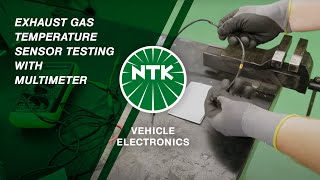
- With a multimeter and your manual’s specs, check the resistance of the sensor. If it’s open or way off the chart, it’s time for a new sensor.
If you don’t have the tools or aren’t sure about a step, it’s smart to let a pro handle it. But these are the exact checks I start with in the garage.
Common Mistakes with P2471
A classic mistake I see-sometimes even from experienced techs-is swapping out the wrong sensor. There are several EGT sensors, and it’s easy to lose track of which one’s Bank 1 Sensor 4. Double-check the diagram and count carefully. Another slip-up is skipping over the wiring and jumping straight to replacing the sensor. More than once, I’ve found a broken wire or a corroded connector was the only real problem. And don’t overlook exhaust leaks or contamination; those can cause repeat headaches if you don’t catch them early. Take it from me-slow down, check everything, and you’ll save yourself a lot of money and frustration.

Seriousness of the P2471 engine code
Letting this code slide is something I’d never recommend. When the EGT sensor circuit isn’t working right, your vehicle can’t handle DPF regeneration like it should. That means soot starts building up, and before you know it, the filter gets clogged-sometimes bad enough that you’re staring at a huge repair bill for a new DPF or catalyst. Limp mode makes driving a chore and can be downright unsafe if you need full power out on the highway. Bottom line: ignore this, and what could’ve been a cheap fix turns into a wallet-buster. Don’t wait-get it checked out ASAP.
Repair steps for the P2471 code
Here’s what I’ve found fixes a p2471 code in real-world shop conditions and by-the-book OEM guidelines:
- Swap out the faulty exhaust gas temperature sensor (this solves it most of the time)
- Repair or replace any damaged wiring or connectors in the sensor’s circuit
- Seal up any leaks in the exhaust, especially at flanges or gaskets
- Deal with any kind of contamination-oil or coolant-in the exhaust path
- If you’ve done all the above and the code won’t quit, then and only then consider replacing the PCM
Once you finish repairs, always clear the code and take the car for a test drive to be sure it’s really fixed.


Conclusion
So here’s the bottom line: P2471 means your vehicle’s computer is catching a problem with the exhaust gas temperature sensor circuit-most of the time it’s a dud sensor or a wiring snag. That code puts you in limp mode and, if you let it go, bigger (and pricier) problems aren’t far behind. My advice? Start by closely checking the sensor and its wiring, and don’t ignore possible leaks or contamination. Nine times out of ten, a new sensor or a wiring fix gets you back on the road. Don’t drag your feet on this one-the faster you tackle it, the less pain your wallet will feel in the long run.

 3301
3301 6 minutes of reading