
Causes of obd2 code P2472
From my time under the hood and what I've seen play out in real-world repairs, the usual suspects behind a p2472 code include:
- Wiring problems-think broken, corroded, or loose connectors right at the sensor or further up the harness. A classic trouble spot.
- A bad exhaust gas temperature sensor. These guys take a beating from heat and age.
- Electrical shorts or open circuits hiding in the sensor's wiring.
- Sometimes, crud or soot builds up on the sensor tip-especially if your engine's been dealing with other exhaust hassles.
- On rare occasions, the engine control module (ECM) that reads the sensor data can be at fault.
In my experience, nine times out of ten, it's either the wiring or the sensor itself. ECM failures are few and far between.
Symptoms of P2472 engine code
When P2472 shows up, here's what you might run into. Sometimes, all you get is that trusty check engine light. But if things get worse, you'll notice warnings about your exhaust or emissions system. I've seen vehicles drop into limp mode to protect themselves, which means sluggish performance and limited power. You might also see your fuel mileage take a nosedive or catch your DPF going into regeneration too often-or worse, ending up clogged. These issues can sneak up on you, so even if your car feels okay, don't ignore that code.

Diagnosis with obd code P2472
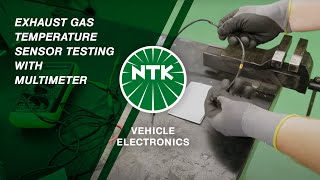
Let me walk you through how I handle this code in the shop-and what you can check at home if you’re handy. I always start by giving the wiring and connectors a good look. Any signs of frayed wires, green corrosion, or loose plugs? Sometimes just a little wiggle is enough to spot a bad connection. Next, I’ll check the sensor for obvious damage or heavy soot buildup. If that all looks clean, I break out a multimeter and measure the sensor’s resistance, matching it against the specs in the manual. If it’s way off or the numbers jump around, that’s a clue. I also like to check the harness for continuity and shorts-don’t skip this, as hidden wiring faults are common. If everything passes, I’ll scan for related codes and watch live data to see if the sensor is still acting flaky. If you’re not comfortable poking around with electrical stuff, get a second set of hands or have a pro take it from here. And don’t forget-the problem could be anywhere between the sensor and the ECM, so check the harness all the way back if you’re stuck.
Common Mistakes when troubleshooting P2472
A classic mistake I see is folks rushing to swap out the sensor without even glancing at the wiring. Honestly, in lots of cases, the culprit is just a bad wire or crusty connector. Another error? Picking the wrong sensor-sometimes people get mixed up because there are several temperature sensors along the exhaust. Skipping live data checks is another one; you really want to see if the problem is ongoing or just a fluke. My advice: always confirm you're working on the correct sensor and rule out the obvious before spending money on new parts.

Seriousness of P2472 code issues
Take it from me-this isn’t a code you want to let slide. If the sensor feeds your ECM bad data, your emissions system can’t do its job. That can cause overheating, trash your DPF, SCR, or DOC, and even cut engine power or performance. Worst case, you end up with a clogged DPF or a ruined catalyst, both of which are wallet-busting repairs. Letting this fester can quickly turn a small repair into a major headache-not just for your bank account, but also for your engine’s health and the environment.
Repair solutions for dtc P2472
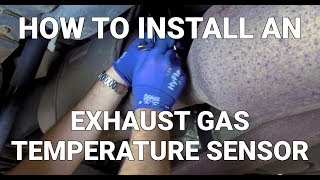
Here’s a pro-tip from the garage: always fix wiring problems or dodgy connectors first. If the wiring checks out, go ahead and swap the exhaust gas temperature sensor with an OEM replacement-cheap knockoffs can cause more grief. Follow the service manual closely for installation, clear the code, and take the car for a test drive. If the code comes back, it’s time to dig deeper into the ECM or related modules, but that’s rare in my experience. Always double-check your repair with a scan tool and monitor live sensor data to be sure the fix held.


Conclusion
Bottom line? P2472 means your exhaust gas temperature sensor (Bank 1 Sensor 4) isn’t giving reliable info, which can mess up your emissions system and snowball into bigger, costlier issues. Tackle it soon-start with wiring and connectors, then check the sensor itself. Letting it go can lead to expensive repairs down the line. Fix what’s wrong, confirm the repair with live data, and you’ll keep your car (and wallet) happy.

 4984
4984 5 minutes of reading