
P2480 code Causes
In my experience, nine times out of ten, you’re dealing with a faulty exhaust gas temperature sensor. But there are a handful of other culprits that can set off this code. Here’s what usually lands on my diagnostic list:
- The EGTS (bank 1, sensor 5) itself has failed or is giving wacky readings.
- The harness for the sensor has been chewed up, pinched, or suffers from an open or shorted wire.
- Poor contact at the sensor plug-think corrosion or a pin that’s gotten loose over the years.
- Exhaust leaks in the neighborhood of the sensor, which can really throw off its measurements.
- Heavy soot caked on the sensor, which is something I see all the time on high-mileage diesels.
If you’re chasing this code, start by checking the sensor and wiring first. That’s where the gremlins like to hide.
obd code P2480 Symptoms
Usually, the first thing that tips you off is a lit check engine light-or sometimes a service engine soon message. Most folks don’t notice any change in the way their rig runs right away, but don’t get too comfortable. If you leave this unchecked, you might start running into issues with the emissions system. That could mean the DPF won’t regenerate like it should, or, if things get bad, the truck might throw itself into limp mode and cut your power. I’ve seen plenty of cases where the only symptom is that pesky warning light, but trust me, that doesn’t mean it’s not serious.

obd2 code P2480 Diagnosis
Let me walk you through how I’d tackle this one in the shop:
- First, I clear the code and check if it comes back right away. If it does, that’s your clue the issue’s still hanging around.
- Next up, I always do a visual inspection of the sensor and its harness. I’m looking for broken wires, melted insulation, or any green crusty corrosion at the connector. Don’t overlook bent or loose pins in the plug-a common trouble spot.
- If that passes, I’ll unplug the sensor and take a close look inside the connector for soot or moisture. Sometimes, just giving those pins a good cleaning solves the problem.
- After that, I grab my multimeter to check for continuity in the wiring between the sensor and the ECM. If you find an open or a short, you’ll need to hunt down and fix the break.
- If the wiring’s solid, I move on to the sensor itself. I compare its resistance reading at room temperature to the spec in the service manual. Way off? You’re looking at a bad sensor.
- While you’re at it, check for exhaust leaks around where the sensor sits. Sometimes, having a buddy rev the motor while you listen and feel for leaks helps track them down.
- Last step: If the sensor’s buried under a mountain of soot, try cleaning it, but if that doesn’t bring the readings back in line, it’s time to swap in a new one.
Trust me, having a second set of hands always makes chasing down these issues easier, especially when it comes to checking continuity or sniffing out exhaust leaks.
P2480 engine code Common Mistakes
A classic mistake I see is folks tossing in a new sensor right away, without checking if the problem’s actually with the wiring or connector. That’s a quick way to burn cash for nothing. Another one? Overlooking a possible exhaust leak or not bothering to clean a soot-clogged sensor. Always stick to the basics-inspect the harness and connector thoroughly before you go parts shopping.

P2480 Seriousness
Here’s the deal-you don’t want to let this one slide. It might not kill your engine performance overnight, but it’s critical for your emissions system. If the sensor’s out of commission, the DPF and DOC can’t do their jobs, which means you could end up with clogged filters, higher emissions, or, worst-case, some serious engine damage. I’ve seen folks ignore that light only to face a massive repair bill later. Swapping a sensor is way cheaper than replacing a DPF or catalyst. Don’t gamble with this one-take care of it before it snowballs.
dtc P2480 Repair
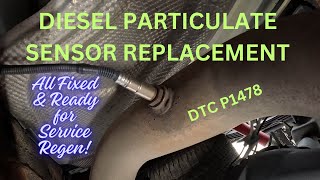
Nine times out of ten, fixing this means installing a new exhaust gas temperature sensor. If you spot damaged wiring or a crusty connector, go ahead and repair or replace those, too. After any repair, I always clear the code and take the truck for a shakedown drive to make sure everything’s sorted. If you’re dealing with a sensor that’s just filthy with soot, sometimes a good cleaning will get you by-but if it still won’t read right, put in a new one. And remember-if you found any exhaust leaks along the way, patch those up before calling the job done.



Conclusion
In short, P2480 means your exhaust gas temperature sensor circuit’s not doing its job, and that spells trouble for your emissions system. The smart move? Tackle it right away-start with a close inspection of the sensor, wiring, and connector, and work your way through testing and, if needed, replacement. Ignore this code and you’re risking a much bigger headache (and a lighter wallet) down the road. Stick to a step-by-step diagnosis and fix what you find, pronto. Your truck-and your bank account-will be better off for it.

 3617
3617 6 minutes of reading