
Causes and obd code P2485
Let me walk you through what’s usually behind a p2485, based on what I’ve run into countless times in the shop and what the manuals say:
- The exhaust gas temperature sensor itself (EGTS, bank 2, sensor 5) just gives up the ghost. That’s the most typical culprit by far.
- Wiring issues are a close second-think cracked, burned, or broken wires running to the sensor. Heat and time are rough on these harnesses.
- Bad electrical connections at the sensor plug. I can’t tell you how many times I’ve fixed this code just by cleaning off corrosion or bending a pin back into place. Always check here before you go buying parts.
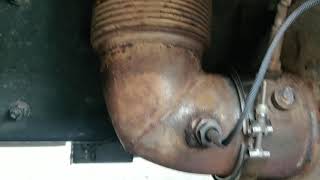
- Exhaust leaks near the sensor. Even a pinhole leak can skew the sensor readings and throw the PCM for a loop.
- Soot or particle buildup caking onto the sensor, especially in trucks that idle a lot or do lots of short trips. That buildup basically insulates the sensor, so it can't measure temps right.
Honestly, most of the time it’s the sensor or the wiring, but I wouldn’t ignore the other possibilities until you’ve checked them yourself.
Symptoms and P2485 code
When you’re dealing with this code, the first thing you’ll probably notice is the check engine light staring back at you. That’s your main warning sign. But depending on your truck or car, you might also run into:
- The engine dropping into limp mode or reduced power-really common on diesels.
- Worse fuel economy or an engine that feels rough, because the computer can’t juggle exhaust temps like it should.
- Problems with DPF regeneration. In plain English: your particulate filter can’t clean itself out, so you’ll start seeing filter warnings or even more codes.
Truth is, a lot of folks only catch the warning light and don’t notice anything else-at least not right away. But trust me, ignore it and you’re asking for bigger trouble later.

Diagnosis and P2485
Here’s how I’d track this one down in the garage, and if you’re handy with tools, you can try some of these steps at home:
- First thing I do? Clear the code and see if it pops back up. Sometimes it’s just a random hiccup, but if it returns immediately, you’ve definitely got an issue to hunt down.
- Next up, I give the wiring and connector at the EGTS (bank 2, sensor 5) a good look. Melted insulation, frayed wires, or a connector that’s barely hanging on-these are all big red flags. A flashlight and a little inspection mirror make this job a whole lot easier.
- If the wiring checks out, I’ll unplug the sensor itself and test resistance across the pins with a multimeter. If you see an open circuit or readings way outside the spec, the sensor’s shot.
- While I’m poking around, I also check for soot buildup or exhaust leaks right by the sensor. Those leaks usually leave black soot stains, and you might catch a whiff of exhaust if it’s bad enough.
- If everything seems fine but the code won’t quit, I’ll break out the scan tool and watch the live data. If that sensor’s stuck at one temp or not moving at all, that’s a dead giveaway that it’s toast.
Here’s a garage pro-tip: never skip over the basics. Loose or dirty connectors can fool even experienced techs.
Common Mistakes and dtc P2485
Let me save you from some of the usual headaches I see with this code:
- Swapping out the sensor right away without checking the wiring or connector. That’s a classic way to waste your cash, especially if a simple wiring repair would’ve fixed it.
- Missing small exhaust leaks near the sensor. Even a tiny leak can mess with your readings.
- Ignoring soot buildup. I’ve pulled sensors that looked like they’d been dipped in tar-no way they’re working right in that state.
- Mixing up your sensors. Bank 2, sensor 5 is specific-grab the wrong one and you’re just spinning your wheels.
Bottom line: go slow, double check your work, and don’t assume anything until you’ve looked it over yourself.

Seriousness and obd2 code P2485
This one’s not just a minor annoyance. If your exhaust temp sensor isn’t working, your PCM can’t protect the DPF or DOC from overheating. That can mean melted filters-or in rare, worst-case scenarios, you’re looking at a real fire risk. And if the DPF can’t run its regen cycles, it’ll plug up and start choking your engine, eventually causing more severe and costly damage. Take it from me: don’t roll the dice on this one. Get it checked out before you’re stranded or stuck with a massive repair bill.
Repair and P2485 engine code
Here’s what actually fixes p2485, in my experience and what the manufacturers recommend:
- Swap out the bad exhaust gas temperature sensor (bank 2, sensor 5). Nine times out of ten, that’s the fix.
- Repair or replace any damaged wiring or corroded connectors leading to the sensor.
- If the sensor’s just dirty, clean off any soot and see if that brings it back to life-though if it’s too far gone, don’t bother, just replace it.
- Seal up any exhaust leaks near the sensor before you start swapping parts.
- Once you’ve made the fix, clear the code and check with a scan tool that the sensor is actually reporting normal temps again.
Pro-tip: always go with OEM sensors. I’ve seen too many headaches from cheap aftermarket ones that don’t last or don’t read right.


Conclusion
In short, p2485 is telling you there’s trouble with your exhaust gas temperature sensor circuit (bank 2, sensor 5)-and that’s nothing to brush off. My advice? Start with a careful look at the wiring and connectors before you spend money on parts. If those check out, move on to testing or replacing the sensor itself. Don’t wait on this repair; delaying only sets you up for bigger, pricier problems down the road. Most of the time, a new sensor or a simple wiring repair gets you back on the road, but always rule out leaks or heavy soot before calling the job done. Take care of it early and save yourself a lot of grief-and cash-in the long run.

 5865
5865 6 minutes of reading