
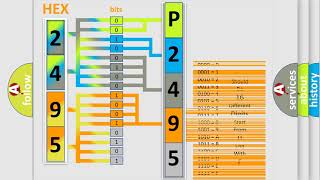
Causes and obd code P2495
From my time under the hood and what the factory manuals spell out, the most common culprits behind a P2495 code are:
- A bad EGR cooler bypass valve position sensor-sometimes these just fail, or the mechanism inside gets stuck
- Wiring issues crop up a lot, such as a short to voltage or connectors in the circuit that are damaged or not making solid contact
- Corrosion sneaking into the sensor plug or a loose connection at that spot
- The EGR cooler bypass valve itself sticking and not moving the way it's supposed to
- And on rare occasions, the engine control module (ECM) might be at fault
Honestly, in most cases I’ve fixed, it comes down to the sensor or the wiring-those are the usual suspects in the real world.
Symptoms and P2495 engine code
The first thing you’ll probably see is that dreaded check engine light staring back at you. Sometimes that’s all you’ll notice. But don’t be surprised if you also feel the engine running a bit rougher than usual, or you see your fuel mileage take a hit. Every now and then, you might catch a whiff of extra exhaust, or the engine just won’t feel as smooth-especially when it’s cold out or you’re pushing the car hard. Still, in plenty of cases, the only tip-off is that warning light on the dash.

Diagnosis steps for dtc P2495
Here’s how I’d tackle diagnosing this code, step by step:
- First thing’s first: check for any related codes. Sometimes, one issue can kick off a string of codes, and those extra clues are worth their weight in gold.
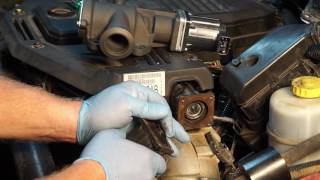
- Next, I always do a close-up visual inspection of the EGR cooler bypass valve position sensor and its wiring. Look for any frayed wires, signs of corrosion, or connectors that aren’t seated right. Here’s a pro-tip from the garage-have someone gently wiggle the harness while you watch the live sensor reading on your scan tool. If the numbers jump, you’ve probably found the issue.
- Then I’ll use a scan tool to check the actual voltage reading from the sensor. If it’s pegged high-beyond what the manufacturer calls normal-that’s a big red flag.
- If the wiring passes the eye test, I’ll unplug the sensor and check for water, corrosion, or any bent pins inside the connector. It’s easy to miss, but those details matter.
- After that, I’ll break out the multimeter and test the sensor’s resistance or voltage, comparing it to the OEM specs. If it’s not within range, chances are you’ve found your culprit.
- If everything up to this point checks out, I’ll turn my attention to the bypass valve itself. Carbon buildup can cause it to stick, and that’ll throw the sensor reading off, too.
- Only if all of the above looks good do I start suspecting the ECM, but honestly, that’s a needle in a haystack scenario. Rare, but not impossible.
The key is to start with the basics before you dive into the deeper diagnostics. It saves time and avoids unnecessary parts swapping.
Common Mistakes when troubleshooting P2495 trouble code
A classic mistake I see all the time is folks running straight for a new sensor without even glancing at the wiring or connectors. If the problem’s a loose plug or a bit of corrosion, you’ve just wasted your cash and your time. Another thing people miss is checking for other related codes that could point to a bigger issue. And don’t forget to actually look at the bypass valve-sometimes it’s stuck, and the sensor’s doing its job by sending an out-of-range signal. Don’t skip over the basics. They’ll save you headaches down the road.

How serious is P2495
This isn’t something to shrug off. While your car probably won’t leave you stranded right away, driving around with a faulty EGR cooler bypass valve sensor can mean higher emissions, rougher running, and even the risk of overheating exhaust parts. Letting it go too long can damage the EGR cooler, the valve, or even cook your catalytic converter. What I’ve seen is that these things have a way of snowballing if you ignore them, so don’t wait to get it sorted.
Repair options for P2495 code
Here’s what usually gets this code cleared up, based on the jobs I’ve tackled and the repair info I trust:
- Fixing or replacing any bad wiring or connectors at the EGR cooler bypass valve position sensor
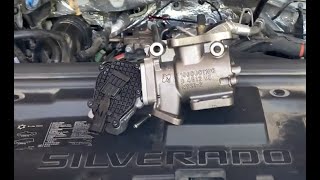
- Cleaning out or swapping the bypass valve if it’s sticking or gummed up
- Swapping in a new sensor if yours has gone bad
- And in rare cases, repairing or replacing the ECM if you’ve ruled everything else out
My advice? Start with a thorough inspection and don’t start replacing parts until you know they’re actually the problem. That approach saves money and hassle every time.

Conclusion
So here’s the bottom line: P2495 means your EGR cooler bypass valve position sensor is sending a signal that’s too high, and that throws your emissions and engine performance off track. In my experience, it’s usually the sensor or its wiring, and starting with the simple checks is always smartest. Don’t let this one slide-it can lead to bigger, more expensive issues if you ignore it. The best way to tackle it is with a careful inspection and targeted repairs, not just throwing parts at the problem. Staying on top of it will keep your engine running cleaner and smoother, and save you headaches in the long run.

 4596
4596 6 minutes of reading