
Causes and obd code P2504
From what I see most often in the shop, the main culprits for this issue are:
- A faulty alternator that’s putting out too much voltage
- Wiring issues-like an open or shorted wire in the alternator harness
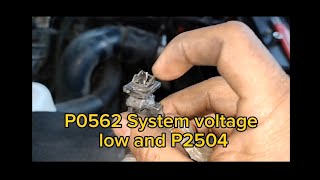
- Poor electrical connections in the alternator circuit (think loose, corroded, or damaged connectors)
- In rare cases, a bad PCM (the vehicle’s main computer) can be to blame
For Chrysler and Jeep specifically, these are the exact causes listed in the official repair info. Other brands might have different reasons, but for these vehicles, it’s almost always one of these four.
Symptoms and obd2 code P2504
If you’re dealing with this code, the first thing you’ll probably notice is the check engine or service engine light glaring at you from the dash. In my experience, most cars run pretty normally at first, but let that high voltage go unchecked and you might see lights flicker, weird electrical gremlins, or even catch a whiff of something burning if it gets bad enough. That warning light? It’s your early heads-up-don’t brush it off just because the car still seems fine.

Diagnosis and P2504 engine code
Here’s how I usually tackle this engine code, step by step:
- First, I grab a scan tool and confirm the code. Then I clear it and see if it comes back right away.
- Next, I check the battery voltage with the engine off and then running. With the engine running, voltage should be around 13.5-14.5 volts. If it’s much higher, that’s a red flag.
- I do a visual inspection of the alternator and its wiring harness. I’m looking for damaged wires, loose or corroded connectors, and anything that looks out of place. Don’t forget to check the ground connections too-they’re easy to overlook.
- If everything looks good visually, I’ll use a multimeter to check for voltage drops across the alternator wiring and at the battery terminals.
- If the alternator is putting out too much voltage, it’s usually the culprit and needs to be replaced. But if the alternator tests fine, I’ll check the wiring between the alternator and the PCM for opens or shorts.
- As a last resort, if everything else checks out, I’ll consider the PCM itself-but that’s pretty rare.
It’s better to have someone assist you when checking live voltages, just for safety’s sake.
Common Mistakes and P2504
A classic mistake I see: folks immediately swap out the alternator without checking the wiring or connectors first. Another one that trips people up is overlooking the ground connections-bad grounds are notorious for causing all sorts of electrical headaches. I’ve also seen a lot of techs miss corrosion hiding inside connectors; it’s sneaky but can wreak havoc. The bottom line? Don’t assume the alternator’s toast just because the code says so. Work through each step and you’ll avoid chasing your tail.

Seriousness and P2504 trouble code
This isn’t the sort of thing you want to let slide. High charging voltage doesn’t just threaten your battery-it can fry sensitive electronics and even cause your wiring to get dangerously hot. I’ve seen jobs where ignoring this code led to a dead battery or some eye-watering repair bills for electronic parts. The risk is real. Components like the battery, PCM, and any modules tied into the system are all in the danger zone if you ignore P2504.
Repair and P2504 code
Here’s what’s worked best for me when fixing this code:
- Swapping out a faulty alternator if it’s sending out too much voltage
- Repairing or replacing any damaged wiring or connectors in the alternator’s circuit
- Cleaning and tightening every electrical connection, with extra attention to the grounds
- In rare cases, replacing the PCM if you’ve ruled everything else out
Pro-tip from the garage: always double-check your work and clear the code when you’re done. If it stays gone, you know you nailed it.

Conclusion
Bottom line? P2504 means your charging system is running too hot voltage-wise, and that spells trouble for your battery and electronics if you ignore it. I’d call it a moderate-to-high priority fix-don’t let it sit. The smartest move is to start with a careful look at the alternator, wiring, and all connections before you start swapping parts. Nine times out of ten, sorting out the alternator or a bad connection does the trick. Catch it early and you’ll save yourself a pile of cash and headaches down the road.

 5912
5912 5 minutes of reading