Main Causes of P250B Code
From experience, the most common reasons I see for a P250B code are:
- Incorrect engine oil level - either too low or too high. This is surprisingly common, especially after an oil change.
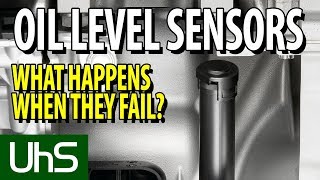
- A faulty engine oil level sensor - sensors can wear out or fail over time.
- Damaged or corroded wiring or connectors going to the oil level sensor - things like broken wires, loose plugs, or water intrusion can cause all sorts of trouble.
- Electrical circuit issues in the sensor’s wiring harness - such as open or short circuits.
For Hyundai and Volvo, these are the main culprits. I always recommend starting with the basics before jumping to conclusions about a bad sensor.
Symptoms Linked to P250B Trouble Code
When this code pops up, the most obvious thing you’ll notice is the check engine light or a service warning on your dashboard. In most cases, you probably won’t feel any difference in how the car drives, but if the oil level really is low, you might hear more engine noise than usual, or even see an oil warning message. I’ve seen some drivers ignore this, thinking it’s just a glitch, but that’s a surefire way to end up with bigger problems down the road.


Common Mistakes When Dealing With P250B Code
A classic mistake I see all the time is folks swapping out the oil level sensor before checking the oil level itself. Don’t overlook the simple stuff. Another one? Ignoring damaged wires or corroded plugs-those can be sneaky and cause all sorts of electrical weirdness. Some drivers clear the code and hope it won’t come back, but without fixing the real issue, you’re just kicking the can down the road. Skipping the basics almost always leads to wasted cash and more time spent under the hood.

Effective Repair Steps for P250B Engine Code
When I’m fixing a P250B code, here’s my go-to checklist:
- Set the oil level exactly right-drain or add as needed. Getting this wrong can bring the code right back.
- Patch up or swap out any damaged wiring or connectors at the sensor. Water, corrosion, and vibrations can all wreak havoc here.
- If the sensor’s shot, replace it with a good OEM part. I’ve seen too many headaches from cheap aftermarket sensors.
- Clear the code, then take the car for a proper test drive to make sure it doesn’t rear its head again.
- And if there’s a TSB out for your car, follow it to the letter. Sometimes there’s a known fix that’ll save you extra work.
Double-check everything before closing the hood. Miss a step, and you’ll be right back where you started.
Conclusion
Long story short: the P250B code means your engine oil level sensor circuit isn’t playing nice, and it’s usually something straightforward like oil level, wiring, or a bad sensor causing grief. Don’t sleep on this code-ignoring it can turn a quick fix into a blown engine. Start with the basics, check the oil, chase down wiring issues, and only swap parts when you’re sure they’re the culprit. Don’t gamble with engine oil. Fix it fast and you’ll keep your car-and your wallet-out of trouble.
Video for "Error p250b" on YouTube
The following error codes are often searched for

 6056
6056 6 minutes of reading