
Main Causes of dtc P2576
From my time wrenching in the bay, I can tell you P2576 usually boils down to a handful of usual suspects. Here’s what I’ve found triggers this code most often, both from the manuals and my own hands-on experience:
- The direct ozone reduction catalyst deterioration sensor has simply given up the ghost-these things do fail.
- The wiring harness leading to the sensor is damaged, maybe from rubbing, heat, or just age-sometimes you’ll find it’s open or shorted somewhere along the route.
- The sensor’s connector is a trouble spot too: loose, corroded, or pins that are bent or pushed out of place are a classic cause.
- Poor electrical contact anywhere in that sensor’s circuit, sometimes because water got in or the wiring was physically damaged, will do it too.
Now, every once in a blue moon you might be looking at a problem with the engine control module (ECM) itself, but honestly? Nine times out of ten, it’s the sensor or the wiring that’s at fault-not the computer.
Recognizing Symptoms of obd2 code P2576
When P2576 is hanging around, the first thing you’ll spot is that ever-annoying check engine light glaring at you from the dash. That’s your car’s way of waving a red flag. Most of the time, you won’t feel any rough running, hesitation, or stalling-so don’t expect a big change in how the car drives. But here’s the kicker: try to pass an emissions test with this code present, and chances are you’ll flunk. Occasionally, you’ll see an emissions warning or a service engine soon notice pop up. I can’t count how many times drivers tell me, “The car feels fine!” But trust me-just because you can’t feel it, doesn’t mean your emissions system isn’t slacking off.

Step by Step Diagnosis for obd code P2576
Here’s how I’d tackle P2576 if you rolled into my shop-step by step:
- Start with the basics: pop the hood and track down the ozone reduction catalyst deterioration sensor and its wiring harness. Give everything a good look-cracked wires, brittle insulation, loose or corroded connectors stand out right away.
- With a gentle tug, wiggle the wiring and connector. Sometimes, what feels tight isn’t actually locked in. If something pops loose, you’ve found your culprit.
- Take a close look at the connector’s pins. If they’re green with corrosion, bent, or pushed back, clean them up or fix the pins before moving on.
- If the visual check comes up clean, it’s time for the multimeter. Check for continuity from the sensor back to the ECM. You’re looking for open circuits or shorts-anything that would disrupt the signal.
- Wiring checks out? Now test the sensor itself. OEM specs will give you resistance or voltage values-if yours are outside those numbers, it’s time for a new sensor.
- Before you call it done, check for any technical service bulletins (TSBs) for your particular model. Sometimes, there’s a known issue or a part that’s been updated by the manufacturer.
Pro-tip from the garage: always rule out the simple stuff-wiring and connectors-before you shell out for a new sensor. And if you’re not handy with electrical testing, don’t be shy about asking for help from someone who is.
Avoiding Common Mistakes with P2576 trouble code
A classic mistake I see in the shop? Folks rush out and replace the sensor right off the bat, without ever checking the wiring or connectors. That’s a quick way to waste cash if the real problem’s just a corroded pin or loose plug. Another one: forgetting to clear the code after making repairs, then scratching their heads when the check engine light stays on. And don’t overlook those TSBs-a lot of headaches can be avoided with a simple software update or a new connector. Skip the basics, and you’re just asking for trouble and wasted time.

How Serious is the P2576 code
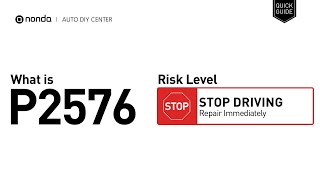
Look, P2576 isn’t going to leave you stranded on the side of the road, but don’t brush it off. The real risk here is your emissions system won’t be doing its job, which means you could fail a smog check-or worse, damage the catalyst over time if you keep ignoring the issue. Letting this slide can cause the ECM to mismanage emissions, and on rare occasions, it’ll start to affect other parts like the catalyst itself. My advice? Nip it in the bud before it snowballs into a bigger, more expensive fix. Emissions problems have a way of escalating if you let them pile up.
Effective Repair Solutions for P2576 engine code
Here’s the fix, based on what’s actually worked for me and what the factory recommends:
- Repair or swap out any wiring or connectors at the sensor that show damage.
- Clean up any corrosion on the connector pins and make sure they’re all seated tight.
- If your sensor is out of spec or flat-out dead, replace it-stick with an OEM part to avoid headaches down the road.
- Once repairs are done, clear the code and take the car for a spin to make sure the code doesn’t come right back.
- If there’s a TSB out for your ride, follow it closely-sometimes it’s as simple as a software update or a new connector.
One thing I can’t stress enough: use the right parts and follow the service manual. Cutting corners here just means you’ll be back in the bay sooner than you’d like.

Conclusion
Bottom line? P2576 tells you your car’s computer isn’t getting the feedback it needs from the ozone reduction catalyst deterioration sensor. That sensor’s a big deal when it comes to keeping your emissions in check. Even though you might not notice any drivability problems, you’re risking an emissions test failure and possible catalyst trouble if you let it slide. My advice-always start by checking the wiring and connectors before you buy any parts. Don’t put this fix on the back burner; get it sorted so you can drive easy and avoid bigger, costlier problems later on.
 3877
3877 6 minutes of reading