
Causes of P2607
From what I see most often in the shop, the P2607 code usually comes down to a few main culprits. Here’s what I recommend checking first, based on real-world cases and official repair info:
- A faulty intake air heater relay - this is the switch that controls power to the heater.
- A bad intake air heater itself - the heating element can burn out over time.
- Wiring harness issues - things like broken, corroded, or loose wires and connectors in the intake air heater circuit.
- Poor electrical connections - especially at the relay or heater terminals.
- Sometimes, the relay harness can be open (broken) or shorted (wires touching that shouldn’t be).
In my experience, wiring and connection problems are just as common as failed parts, so don’t overlook those simple things.
Symptoms of P2607 engine code
When this code is active, you’ll usually notice the check engine light come on. Most drivers don’t feel any big change in how the vehicle runs, especially if it’s not super cold outside. But if you’re in a colder climate, you might notice the engine is harder to start, or it runs rough for a few minutes after starting. Sometimes, there’s a bit more smoke at startup, too. But honestly, the main thing you’ll see is that warning light staring back at you from the dash.

Diagnosis steps for P2607 code
Here’s how I usually tackle a P2607 code, step by step:
- First, I always start with a visual inspection. Pop the hood and look at the wiring and connectors going to the intake air heater and its relay. Check for any obvious damage, corrosion, or loose connections. Sometimes you’ll spot a broken wire or a connector that’s come loose - that’s a quick win.
- Next, I recommend checking the relay itself. You can swap it with another identical relay in the fuse box (if available) to see if the problem follows the relay. If the code goes away, you’ve found your culprit.
- After that, test the intake air heater for continuity using a multimeter. If it’s open (no continuity), the heater is likely bad and needs replacing.
- Don’t forget to check for power and ground at the heater and relay when the system is supposed to be on (usually when the engine is cold). If you’re missing power or ground, trace the wiring back to find where the break is.
- If you’re not comfortable with electrical testing, it’s better to have someone assist you, since you’re dealing with high-current circuits here.
Always make sure to clear the code and see if it comes back after any repair. That’s how you know you’ve fixed it for good.
Common Mistakes when fixing obd2 code P2607
I’ve seen a few common slip-ups with this code. One is replacing the intake air heater right away without checking the relay or wiring - that can waste time and money. Another is overlooking corroded or loose connectors, which can cause the same symptoms as a failed part. And sometimes, folks forget to check for blown fuses in the circuit. Don’t skip the basics - they’re often where the problem hides.

Seriousness of dtc P2607
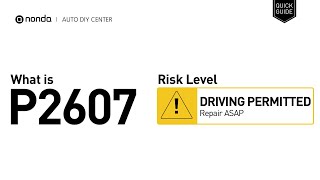
This isn’t something you want to ignore, especially if you live in a cold area. Without a working intake air heater, your engine can be tough to start and may run rough until it warms up. Over time, repeated cold starts can cause extra wear on the engine and even lead to more serious issues like injector or glow plug problems. Plus, driving around with a check engine light means you might miss other, more urgent problems. It’s best to get this sorted out before things go south.
Repair solutions for P2607 trouble code
Most of the time, fixing a P2607 code involves one of these steps:
- Repairing or replacing damaged wiring or connectors in the intake air heater circuit.
- Replacing a faulty intake air heater relay.
- Replacing the intake air heater itself if it’s burned out.
- Cleaning up any corrosion at the connectors and making sure everything is tight and secure.
- In rare cases, replacing a blown fuse in the heater circuit.
Once the repair is done, clear the code and make sure it doesn’t come back. That’s the best way to know you’ve nailed it.


Conclusion
To sum it up, P2607 means your intake air heater circuit ‘B’ isn’t working right - usually because of a bad relay, heater, or wiring issue. It’s not the most urgent code out there, but it can cause real headaches in cold weather and lead to bigger problems if ignored. I recommend starting with a good visual inspection and checking the relay and wiring before replacing any parts. Fixing it now will keep your engine happy and save you trouble down the road.
 3830
3830 5 minutes of reading