
Causes of P2623 code
From my time under the hood, here are the usual suspects that trigger a p2623 code:
- The injector pressure regulator itself has gone bad-these parts don’t last forever and can just plain wear out.
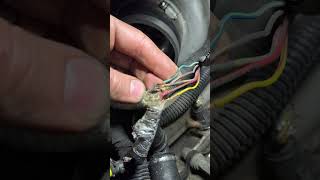
- Wiring or connector issues-sometimes it’s a wire that’s rubbed through, a terminal that’s corroded, or a plug that’s not seated all the way.
- Every now and then, you’ll run into a PCM problem-either the computer needs a software update, or in rare cases, it’s gone belly-up and needs to be replaced.
Most times, it’s the regulator or the wiring causing grief, but don’t skip any steps-missing the root cause means you could be chasing your tail.
Symptoms of obd code P2623
When p2623 is lurking, here’s what you’ll probably notice:
- The check engine light is going to stare you down-it’ll stay on until you address the issue.
- Starting the engine might be a battle, or in some cases, it just won’t fire up at all.
- Even if it does start, I’ve seen engines stall out without warning, which can be a real headache-especially if you’re in the middle of traffic.
From what I’ve witnessed in the shop, these symptoms can be anything from a minor nuisance to a major problem, but either way, you can’t afford to brush them off.

Diagnosis steps for P2623
If I’m chasing down a p2623 code, here’s how I attack it:
- First thing’s first-visual inspection. Pop the hood and really look at the wiring and connectors at the injector pressure regulator. I’m talking about spotting chafed wires, corrosion, loose plugs, or anything that just doesn’t look right. Follow the harness all the way back toward the PCM if you can-gremlins like to hide in the places you least expect.
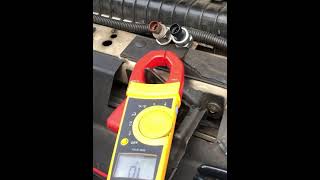
- If everything looks clean, I grab my multimeter and check continuity on those wires. This will sniff out hidden breaks or shorts that the eye can’t see.
- Next up, I put the regulator itself to the test. Depending on your setup, you might unplug it and check resistance across the pins, or use a scan tool to command it on and off while watching what the pressure sensor reports.
- If the wiring and regulator are both solid, I turn my attention to the PCM. Sometimes, it’s just a matter of flashing the latest software. On rare occasions, the PCM is actually toast and needs replacement.
Tackle the obvious stuff first-wires and connectors-before diving into the deep end. Having a buddy wiggle the harness while you watch readings can help catch those pesky intermittent faults.
Common Mistakes with obd2 code P2623
A classic mistake I see in the shop is folks swapping out the injector pressure regulator right away, without checking the wiring. Damaged wires or a bad connector are just as likely to be your problem, and throwing parts at the car without confirming the culprit is a fast way to waste money. Another one? Overlooking PCM software updates. Sometimes, a quick reflash is all it takes to get things running smooth again. Don’t skip the basics-double-check your work before you start buying expensive parts.

Seriousness of P2623 trouble code
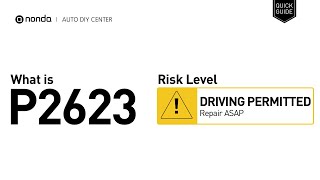
Let me shoot straight with you-p2623 isn’t something you want to ignore. When the injector control pressure regulator acts up, there’s a real risk your engine will stall or flat-out refuse to start. That’s not just inconvenient, it’s dangerous, especially if it happens when you’re out on the road. Keep ignoring it, and you could end up with bigger headaches like injector or high-pressure oil system damage. Trust me, it’s a problem that goes from bad to worse in a hurry, so don’t put it off.
Repair solutions for dtc P2623
Here’s what’s worked in my experience fixing p2623:
- Patch up or replace any questionable wiring or connectors in the regulator circuit-these are the trouble spots more often than not.
- If testing proves the regulator is shot, swap it out for a new one.
- Flash the PCM with the latest software if that’s what the manufacturer recommends-sometimes that’s all it takes.
- And only if you’re sure, replace the PCM itself, but that’s pretty rare in my book.
Start with the wiring and connectors-they’re usually the easiest fix and the most likely source of trouble.
Conclusion
Bottom line: p2623 tells you there’s trouble with the fuel injection pressure system-usually it’s either the regulator or the wiring. This is a high-priority fix, because letting it slide can leave you stranded or worse, wreck your engine. The smartest way to tackle it is to methodically check the wiring and connectors, put the regulator through its paces, and see if your PCM needs a software update. Don’t wait on this-fixing it quickly keeps your ride running strong and dependable.

 5814
5814 5 minutes of reading