
Causes of obd code P2634
From my time under the hood, I can tell you most P2634 cases track back to something electrical. Here’s what I usually chase down first:
- A worn-out fuel pump relay-this tiny part causes more headaches than folks realize.
- A fuel pump on its last legs-pumps wear out, and sometimes the problem is inside the motor or wiring itself.
- Wiring issues-open circuits, shorts, or even just chafed insulation in the harness can trip this code up in a hurry.
- Crummy connections-loose, corroded, or bent pins at the fuel pump plug are classic trouble spots.
- A bad fuel pump control module (if your ride has one)-these modules can go haywire and send all the wrong signals.
Ford and Volkswagen both call out these root causes, so if you’re driving one, these are the first places I’d look.
Symptoms of P2634 trouble code
When you’ve got a P2634 on your hands, that check engine light’s just the start. Here’s what else you might run into:
- Tough starts or no start at all-if the pump’s not doing its job, the engine won’t get fuel, plain and simple.
- Stalling-sometimes you’ll get it running, only for it to cut out without warning.
- Lousy performance-if you notice a sluggish throttle or hesitation, that’s a big clue.
- Every so often, you’ll hear the fuel pump whining louder than normal-never a good sign.
If you spot any of these, don’t brush them off. A fuel system glitch can go from annoying to disastrous real fast.

Diagnosis steps for P2634 engine code
Here’s how I tackle a P2634 problem, one step at a time:
- First, I give the wiring and connectors at the pump and relay a good look. Frayed wires, green corrosion, loose plugs-these little gremlins like to hide in plain sight. If you can, have a buddy turn the key while you keep an eye out for sparks or movement.
- Next, check the fuel pump relay. If you’ve got a spare, swap it in. Otherwise, break out the multimeter and see if it’s working. Relays are cheap and easy to replace, so I usually start there.
- Then listen for the fuel pump priming when you turn the key. No sound or a weird noise? That’s a red flag. You can check for voltage at the pump with a meter too-make sure it’s getting power.
- If your car’s got a fuel pump control module, don’t skip it. Look for water intrusion or burnt spots. If you’re suspicious, follow the factory test steps before you throw a new one at it.
- And don’t forget the fuse. You’d be amazed how often a blown fuse is the culprit and gets completely overlooked.
Start with these basics before you get into complicated electrical stuff. Sometimes just cleaning up a dirty connector can get you back on the road without spending a dime.
Common mistakes when fixing P2634 code
A classic mistake I see is folks swapping out the fuel pump right away, skipping over the relay or the wiring. It’s easy to miss corrosion at the connectors-just a hint of rust can throw the whole system off. Another one is forgetting to check the fuse; it’s such a quick test but gets ignored all the time. My advice? Work through the basics before you reach for the expensive parts. That approach will save you time and money, trust me.

Seriousness of dtc P2634 issues
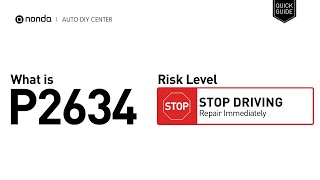
P2634 is nothing to mess around with. If your fuel pump cuts out, your engine could stall at the worst possible moment-like cruising down the highway or pulling out into traffic. That’s a real safety hazard. Letting it slide can also put extra strain on your fuel system or even damage your engine if it ends up running too lean. If you see this code, don’t put repairs on the back burner-the risk just isn’t worth it.
Repair solutions for P2634
Here’s what’s worked for me, and what the OEMs recommend, when dealing with P2634:
- Fix or replace any damaged wiring and connectors in the pump circuit.
- Swap out the fuel pump relay if it fails your tests.
- Install a new fuel pump if the old one’s dead or has electrical faults.
- Replace the fuel pump control module if your diagnostics point there.
- Clean and tighten all the electrical connections to keep future problems at bay.
Stick to the factory service steps for your specific vehicle. You’ll avoid wasting money and make sure you’re fixing the real problem.

Conclusion
Bottom line? P2634 means your car’s brain has spotted trouble in the fuel pump’s electrical controls. It’s a high-priority fix because it can leave you stranded-or worse. Always start with the easy electrical checks and work your way up. Nine times out of ten, it’s a relay, wiring fault, or a tired pump. Move fast and methodically, and you’ll have your car back in top shape before you know it.
 5789
5789 5 minutes of reading