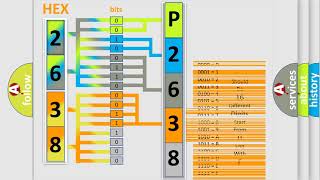
Let me break down what’s really going on with code P2638, drawing from years of chasing electrical gremlins in the shop. This code lights up when your car’s engine control module (ECM) and transmission control module (TCM) aren’t on the same page. These two modules need to talk constantly, especially when it comes to shifting gears-smooth shifts depend on good communication so the engine can back off the power at just the right moment. If the ECM doesn’t answer the TCM’s request to dial down engine torque, or the feedback is out of whack, P2638 pops up. This handshake is critical for keeping your transmission healthy. Under the hood, all this back-and-forth happens over the Controller Area Network (CAN). If there’s a hiccup in that network, or if the ECM can’t deliver what the TCM is asking for, you’ll see this code. Different makes might trip this code in slightly different ways, but the heart of the matter is always the same: the ECM couldn’t confirm that torque reduction request from the TCM. That’s the story, no matter what badge is on your grille.
DTC P2638
 5901
5901 5 minutes of reading
Causes of obd code P2638
From what I see most often in the shop, the P2638 code usually comes down to a few main culprits. Here’s what tends to cause it, based on OEM data and real-world cases:
- A faulty engine control module (ECM) or transmission control module (TCM)
- Outdated software in either the ECM or TCM (sometimes a simple update is all it needs)
- Wiring harness issues-like open circuits, shorts, or damaged wires going to the ECM
- Connector problems-broken, bent, corroded, or loose pins at the ECM or TCM
- Electrical faults inside the ECM itself
In my experience, wiring and connector issues are the most common, but you can’t rule out a control module problem, especially if the vehicle has seen some electrical gremlins before.
Symptoms of P2638
Let’s talk about what you’ll actually notice with a P2638 code. The first giveaway is usually the check engine light staring at you from the dash. Sometimes, you’ll feel the transmission stumble or hesitate when shifting-sort of like it’s not sure which gear to pick. Other times, everything feels fine, but don’t let that fool you. That warning light is your early alert. Ignore it, and things can spiral-transmissions aren’t cheap to fix or replace.

Diagnosis steps for obd2 code P2638
If you’re chasing down a P2638, here’s the roadmap I follow in the garage:
- Start by looking for any other codes. If the scan tool shows communication or CAN network errors, fix those first. They can throw everything else off.
- Next, get your eyes-and hands-on the wiring and connectors at both the ECM and TCM. You’re hunting for broken wires, loose plugs, green corrosion, or pins that look bent. I’ve seen more than a few problems caused by a mouse chewing through wires or water sneaking into connectors.
- Give those wires a gentle wiggle while watching your scan tool. Sometimes the break is hidden under the insulation and only shows up when the wire is flexed.
- If everything looks solid, see if there are software updates available for the ECM or TCM. Manufacturers roll out updates all the time to fix bugs just like this.
- With wiring and software ruled out, grab your scan tool and watch live data. You want to see if the ECM is actually responding to the TCM’s torque reduction requests.
- If you’ve checked it all and the problem’s still there, then-and only then-consider testing or replacing the ECM or TCM. Don’t forget, having another set of eyes helps when checking connectors. It’s easy to miss something small when you’re in the thick of it.

Common mistakes with dtc P2638
A classic mistake I see all the time? Folks throw parts at the problem-replacing the ECM or TCM right out of the gate, hoping for a quick fix. Nine times out of ten, it’s a bad wire or corroded connector, not the module itself. Another misstep is skipping software updates. Sometimes, a simple reflash can save you a ton of hassle. And don’t forget to scan for other codes first-communication errors can point you in the right direction. Cutting corners here usually means wasted time and money.

Seriousness of P2638 engine code
Here’s the thing: you don’t want to shrug this code off. Sure, the car might seem to run alright for a while, but let this one slide and you’re flirting with bigger headaches-rough shifting, extra transmission wear, or even deeper electrical gremlins. If the ECM and TCM can’t talk, your transmission’s on borrowed time. I’ve seen drivers end up stranded or facing a repair bill that could’ve been avoided. Don’t wait for it to get ugly-jump on it early.
Repair solutions for P2638 code
When it comes to actually fixing P2638, here’s what’s worked for me and what OEM procedures recommend:
- Patch up or swap any damaged wires or connectors at the ECM or TCM
- Clean every electrical connection-don’t leave a speck of corrosion or a loose pin behind
- Reflash or update the ECM and TCM software to the newest version
- If, after all that, the modules still won’t play nice and you’ve confirmed they’re at fault, then it’s time to replace the ECM or TCM
Start with the straightforward stuff-wiring and software. Only move to replacing expensive electronics once you’ve ruled out the basics. Trust me, your wallet will thank you.
Conclusion
Bottom line? P2638 means your engine and transmission modules aren’t talking about torque reduction like they should, and that spells trouble for your transmission. Don’t brush this off. Start with a sharp look at wiring and connectors, check for software updates, and only swap out modules if you’re sure nothing else is to blame. Acting fast keeps your ride running right and your repair bills out of the stratosphere. Take it from someone who’s been there-this is one code you don’t want to ignore.