
Causes of P2642 engine code
From my time under the hood, the root cause for P2642 almost always boils down to some sort of electrical hiccup or communication breakdown between the ECM and TCM. Here are the main troublemakers I run into:
- Engine control module (ECM) or transmission control module (TCM) going bad
- Wiring or connectors leading to the ECM that are corroded, damaged, or just plain loose
- Shorts or open circuits hiding somewhere in the ECM wiring harness
- Software in either the ECM or TCM that’s out of date or got corrupted
- Internal faults inside the modules themselves (not as common, but it does happen)
Honestly, in most cases, it’s the wiring or connectors that trip folks up. But every once in a while, you’ll run across a module that needs a software update-or, on rare occasions, a full replacement.
Symptoms of obd code P2642
When P2642 is active, the first thing you’ll probably see is the check engine light glaring at you from the dash. Sometimes, you’ll notice your transmission shifting rough, hesitating, or just not feeling as smooth as it should. There are times when the only clue is that pesky warning light-but don’t brush it off. Leaving it alone can turn a simple fix into a much bigger headache before you know it.

Diagnosis steps for P2642 code
When I’m tracking down a P2642, here’s the playbook I follow:
- Start by pulling all the codes. If you see other communication or CAN network codes, tackle those first-they might be pointing you right to the source.
- Next, I go over the wiring harnesses and connectors between the ECM and TCM with a fine-toothed comb. I’m always checking for broken, corroded, bent, or even slightly pushed-out pins. Water intrusion is another classic villain here-look for any green fuzz or discoloration.
- Don’t just look-get your hands in there. Wiggle the connectors, gently tug the wires, and keep an eye out for any flickers or changes on the dash. Sometimes a bad connection only acts up when you move it around a bit.
- Once the wiring passes muster, I’ll check for any software updates for the ECM and TCM. Sometimes the manufacturer puts out a fix that’ll solve your problem without turning a single bolt.
- If all that checks out, it’s time to test the modules themselves. This usually means breaking out a scan tool, and sometimes-if you’re lucky enough to have a spare-swapping in a known-good module to see if that clears things up.
Here’s a pro-tip from the garage: Don’t forget to check both sides, engine and transmission. I’ve seen techs chase their tails by ignoring the transmission end of the harness. And if you’re not comfortable poking around electrical connections, grab a buddy or take it to someone you trust.
Common mistakes with dtc P2642
A classic mistake I see all the time? Folks shelling out for a new ECM or TCM before taking a good, hard look at the wiring. That’s a fast track to wasting your cash. Another thing people skip is checking for software updates-a quick reflash can sometimes save the day. Skipping the visual inspection or ignoring other codes is another trap. Always start small and simple before reaching for the big-ticket parts.

Seriousness of obd2 code P2642
Let me be straight with you-this isn’t a code to ignore. Sure, it might start as just a warning light, but when your engine and transmission aren’t on speaking terms, you’re flirting with real trouble. Harsh shifts, lousy drivability, or even serious transmission damage can sneak up fast. Worst-case scenario? You end up stranded or facing a repair bill that’ll make your wallet cry. Neglecting this can take out the transmission, fry the ECM, or even cook your wiring harness. Trust me-the risk isn’t worth it.
Repair options for P2642 trouble code
Here’s what’s worked for me and what the manufacturers recommend when you’ve got a P2642 on your hands:
- First, repair or replace any damaged or sketchy wiring and connectors between the ECM and TCM
- Next, get the ECM and TCM updated with the latest software
- If you’ve tested everything and still see issues, swap out the ECM or TCM as needed
- Finally, clear the code and take it for a good test drive to make sure the fix sticks
Start with the basics-wiring and software. Don’t jump straight to replacing expensive modules unless you’ve ruled out the easy stuff first.
- What is P2642 Engine Code [Quick Guide]
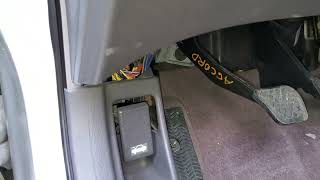
- 1998 To 2002 Honda Accord OBD2 / OBDII Connector Port Location On-Board Diagnostics - DTC Codes
- 2011 To 2017 Honda Odyssey OBD2 / OBDII Connector Port Location - On-Board Diagnostics - DTC Codes

- How to Fix a Honda P2646 Code: ‘A’ Rocker Arm Actuator System Performance / Stuck Off Bank 1
Conclusion
Bottom line? P2642 means your engine and transmission computers aren’t getting along-usually because of a glitch with the torque management feedback signal. Ignore it, and you’re asking for trouble. Tackle it by inspecting wiring and connectors, checking for software updates, and only move on to swapping modules if you’ve covered the basics. Act fast, and you’ll keep your ride running smooth and sidestep those wallet-busting repairs down the road.

 5783
5783 5 minutes of reading