
Causes of dtc P268B
From years spent wrenching on these cars, I can tell you that the number one reason for a P268B code on a Ford is that someone skipped or botched the calibration for the high-pressure fuel pump. Maybe you just swapped out the pump, or perhaps there was some recent module reprogramming-either way, the calibration step gets missed all too often. Wiring issues are another big offender; I’ve lost count of how many times a frayed wire or a half-seated connector at the pump or ECM has been the root cause. Here’s what I see most in the bay:
- Skipped or interrupted high-pressure fuel pump calibration after repair
- Programming wasn’t fully completed after a module or ECM update
- Wiring harnesses or connectors damaged, loose, or corroded
- Pins in the connectors that are bent, corroded, or pushed out of place
Symptoms of P268B code
The first thing you’re likely to spot is that check engine light glaring at you from the dash. Sometimes, you’ll swear the car drives the same as it always has-but other times, you might notice it idling rough, hesitating when you hit the gas, or even taking longer to start up. I’ve seen folks ignore the light, only to end up with a car that won’t start at all. Bottom line: whether you feel it or not, that warning light is your clue that something’s off with how the fuel system is being managed.

Diagnosis steps for P268B trouble code
When a P268B lands in my lap, here’s the drill I follow. First up: pop the hood and go over the wiring and connectors at the fuel pump and ECM with a sharp eye. I’m looking for broken or chafed wires, any corrosion on the terminals, or pins that just aren’t seated right. Don’t skip this step-a lot of so-called “mystery” codes trace back to bad connections. Once the basics are checked, I hook up the scan tool to confirm the code and check if the calibration was ever performed. If it wasn’t, you’ve found your first real lead. Next, I’ll try running the factory calibration procedure with the right diagnostic tool. If that fails, it might be time to update or reflash the ECM. And here’s a tip: if you’re not confident with scan tools or programming, don’t wing it-get a pro involved. One wrong move and you could be chasing your tail for hours.
Common mistakes when fixing obd code P268B
A classic mistake I see is folks throwing parts at the problem-swapping out the fuel pump or sensors-without ever checking if the calibration was done in the first place. Nine times out of ten, it’s not the pump that’s bad; it’s the missed procedure or a simple wiring hiccup. Another misstep? Skipping the visual inspection. You’d be amazed at how often a loose plug or a slightly corroded pin causes all the headaches. Always start with the basics before you reach for the parts catalog or the fancy programming tools.

Seriousness of P268B
Don’t make the mistake of brushing this code off. Sure, sometimes you’ll get away with a warning light and no obvious symptoms-for now. But keep driving with an uncalibrated fuel system, and you’re setting yourself up for rough running, poor fuel mileage, or even pricey damage to the pump or injectors. I’ve seen engines get ruined because a simple calibration was skipped. Take it from me: fix it now, or it’ll cost you a lot more down the road.
Repair procedures for P268B engine code
Here’s how I tackle a P268B on a Ford, step by step. First, run the high-pressure fuel pump calibration with a factory scan tool-don’t try to shortcut this with generic tools. If calibration won’t complete, go back and double-check your wiring and connectors. Fix anything that’s loose, corroded, or damaged. Still no luck? Sometimes a module update or reprogramming is needed. Only swap out the fuel pump if you’ve got solid proof it’s at fault. Here’s the typical order of operations:
- Perform or repeat the OEM fuel pump calibration
- Repair any damaged wires, pins, or connectors
- Update or reflash the ECM if calibration won’t hold
- Replace the high-pressure fuel pump-but only if you’ve ruled out everything else
- 2015 Transit Fuel Pump Control Module, Fuel Pump Relay & Fuel Pump Fuses
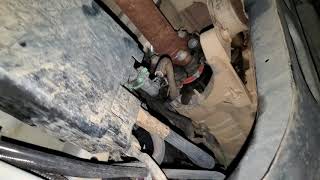
- Ford Transit 2.4 Tdci (2010) PCM NO COMMUNICATION, No Crank, No START!
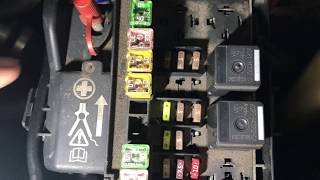
- Ford Transit 2.2L (No power) faulty fuel rail pressure valve.
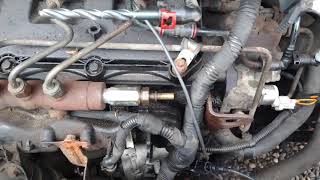
- FORD TRANSIT P0230 Cranks But Doesn’t Start FIXED!! Fuel Pump P2267 P269D U0401 Primary Circuit DPF

Conclusion
If you’re dealing with a P268B on a Ford, you’re looking at a high-pressure fuel pump calibration that didn’t get done-or didn’t stick-after a repair or update. Ignore it, and you’re rolling the dice on bigger problems. Start with a careful look at the wiring and connectors, then make sure the calibration procedure is run properly. In my experience, that’s all it takes to clear this code most of the time. Stay on top of it, follow the right steps, and you’ll save yourself a lot of hassle (and money) down the line.

 4656
4656 5 minutes of reading