
Causes of P2705 code in Ford and Other Vehicles
From what I’ve seen and based on the official repair info, the most common causes for a P2705 code in Ford vehicles are:
- Low tire pressure, which can throw off the steering system’s readings.
- A damaged steering rack boot (that’s the rubber cover protecting the steering mechanism).
- Contaminated or worn steering rack and pinion assembly.
- Problems with the inner tie rods.
- Internal faults in the steering gear itself.
In my experience, it’s usually something simple like a torn boot or low tire pressure, but sometimes it’s a deeper issue inside the steering mechanism. For other brands, this code might mean something different, but for Ford, these are the main culprits.
Symptoms Indicating a P2705 Trouble Code
When this code pops up, you’ll probably notice the check engine light or a service warning light on your dash. Sometimes, you might feel the steering get heavier than usual, or it might not feel as responsive. In some cases, the power steering assist can cut out, making it much harder to turn the wheel, especially at low speeds. If you notice any odd noises when turning or if the steering feels jerky, those are also signs tied to this code.

Diagnosis Steps for P2705
Here’s how I usually tackle a P2705 code. First, I always start with the basics-check your tire pressures and make sure they’re all at the recommended levels. It’s surprising how often low tire pressure can mess with the steering system sensors. Next, I get the car up and visually inspect the steering rack boots for any tears or leaks. If you see grease coming out or the boot is split, that’s a red flag. Then, I check the inner tie rods for play or looseness-sometimes you’ll need a helper to wiggle the wheel while you watch for movement. After that, I look for any signs of contamination or wear in the steering rack itself. If everything looks good so far, I move on to checking the wiring and connectors going to the power steering control module. Make sure there are no broken, bent, or corroded pins. If you’re comfortable, you can do these visual checks yourself, but for anything deeper, it’s best to have a professional take a look.
Common Mistakes When Addressing P2705 Engine Code
One thing I see a lot is folks jumping straight to replacing expensive parts without checking the simple stuff first. Skipping over tire pressure or ignoring a torn steering boot can lead you down the wrong path. Another common mistake is not checking the wiring and connectors-corrosion or a loose pin can easily trigger this code. Don’t forget to inspect the basics before moving on to more complicated or costly repairs.

Seriousness of Driving With dtc P2705
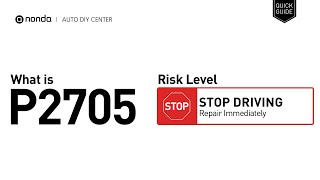
I can’t stress this enough-don’t ignore a P2705 code. If your power steering assist fails while you’re driving, especially at low speeds or when parking, it can become a real hazard. You don’t want to be caught off guard with heavy steering in a tight spot. Plus, if the issue is left unchecked, it can lead to further damage inside the steering rack or even affect the transmission in some cases. Parts like the steering gear, tie rods, and even the control module can get damaged if you keep driving with this problem.
Repair Solutions for obd2 code P2705
Most often, the fix is straightforward. If tire pressure is low, just top it up to the recommended spec. If you find a damaged steering rack boot, replace it before dirt and moisture get inside and ruin the rack. For contaminated or worn steering racks, a rebuild or replacement might be needed. If the inner tie rods are loose or worn, swap them out. And always check and clean the wiring and connectors-sometimes a simple fix there can clear the code. In rare cases, if the power steering control module itself is faulty, it may need to be replaced or reprogrammed according to the official service procedure.


Conclusion
To sum it up, P2705 is your car’s way of warning you about a problem with the steering or transmission assist system, especially in Ford vehicles. It’s not something to put off-acting quickly can save you from a much bigger headache down the road. Start with the easy checks like tire pressure and visual inspections, and don’t overlook the wiring. If you catch it early, the fix is usually simple and affordable. But if you let it slide, you risk losing power steering assist or damaging expensive components. My advice: address it as soon as possible for your safety and your wallet.
 6290
6290 5 minutes of reading