Let me break down what DTC P2764 means for you. This code stands for “Torque Converter Clutch Pressure Control Solenoid Control Circuit Low.” In plain English, it’s telling us that the transmission’s computer (the TCM) has spotted a problem with the circuit that controls the torque converter clutch solenoid. The torque converter clutch is a key part of your transmission system-it’s what locks the engine to the transmission for better efficiency, especially at cruising speeds. When everything’s working right, the TCM uses a solenoid to send hydraulic fluid and engage the clutch, giving you smoother shifts and better fuel economy. If the TCM sees that the solenoid or its wiring isn’t behaving as expected, it sets this code. This system is crucial for making sure your car shifts properly and doesn’t waste energy.
DTC P2764
 6102
6102 6 minutes of reading
Causes of P2764 code
From what I see most often in the shop, there are a handful of usual suspects behind a p2764. Here’s what tends to go wrong:
- Faulty torque converter clutch solenoid-this is the part that actually controls fluid flow to the clutch.
- Wiring problems-damaged, corroded, or loose wires and connectors in the solenoid circuit can easily trigger this code.
- Internal transmission or torque converter issues-sometimes the problem is deeper inside, like a failed clutch or a mechanical fault.
- Transmission Control Module (TCM) malfunction-rare, but I’ve seen cases where the computer itself is at fault.
Most often the issue is with the solenoid or the wiring, but it’s important not to overlook the possibility of internal transmission problems.
Symptoms of P2764 engine code
If your car’s showing a p2764 engine code, here’s what you’ll likely notice as a driver:
- The check engine light will be on-this is usually the first sign.
- You might feel the transmission shifting oddly, or notice it’s not as smooth as usual.
- Fuel consumption can go up, since the torque converter clutch isn’t locking up properly.
- Sometimes, the car may hesitate or feel sluggish when accelerating, especially at highway speeds.
In cases like this, it’s usually the transmission acting up that gets your attention first.

Diagnosis process for P2764
When a car rolls into my bay with a P2764, I always start simple before I pull things apart. First, I hook up my scan tool to confirm the code and see if any related codes are hiding in the system. Sometimes you’ll find a pattern if there are multiple codes. Next, I get under the hood-or sometimes under the car, depending on the model-to check the wiring and connectors leading to the torque converter clutch solenoid. Over the years, I’ve caught more than a few problems just from a wire that’s rubbed through, a corroded terminal, or a plug that’s halfway out. Here’s a pro-tip from the garage: don’t just look-give those wires a gentle tug and wiggle. Loose connections can be sneaky.
Once I’m sure the wiring looks decent, I grab my multimeter and measure the solenoid for proper resistance and continuity. Most solenoids have a pretty specific range, and if you’re way off, you’ve probably found your culprit. If everything checks out electrically, I move on to the transmission fluid. Dirty or low fluid can absolutely cause clutch engagement problems, so make sure it’s clean and topped up. Now, if you’re still chasing the issue, it’s time to look for internal transmission problems. Sometimes this means dropping the pan and checking for debris or excessive clutch material. Only after I’ve crossed off all these possibilities do I consider a problem with the TCM itself. In my experience, it’s pretty rare, but not impossible. Having a second set of hands can make wire checks go a lot smoother, and don’t skip the fluid check-it’s a step too many folks rush past.
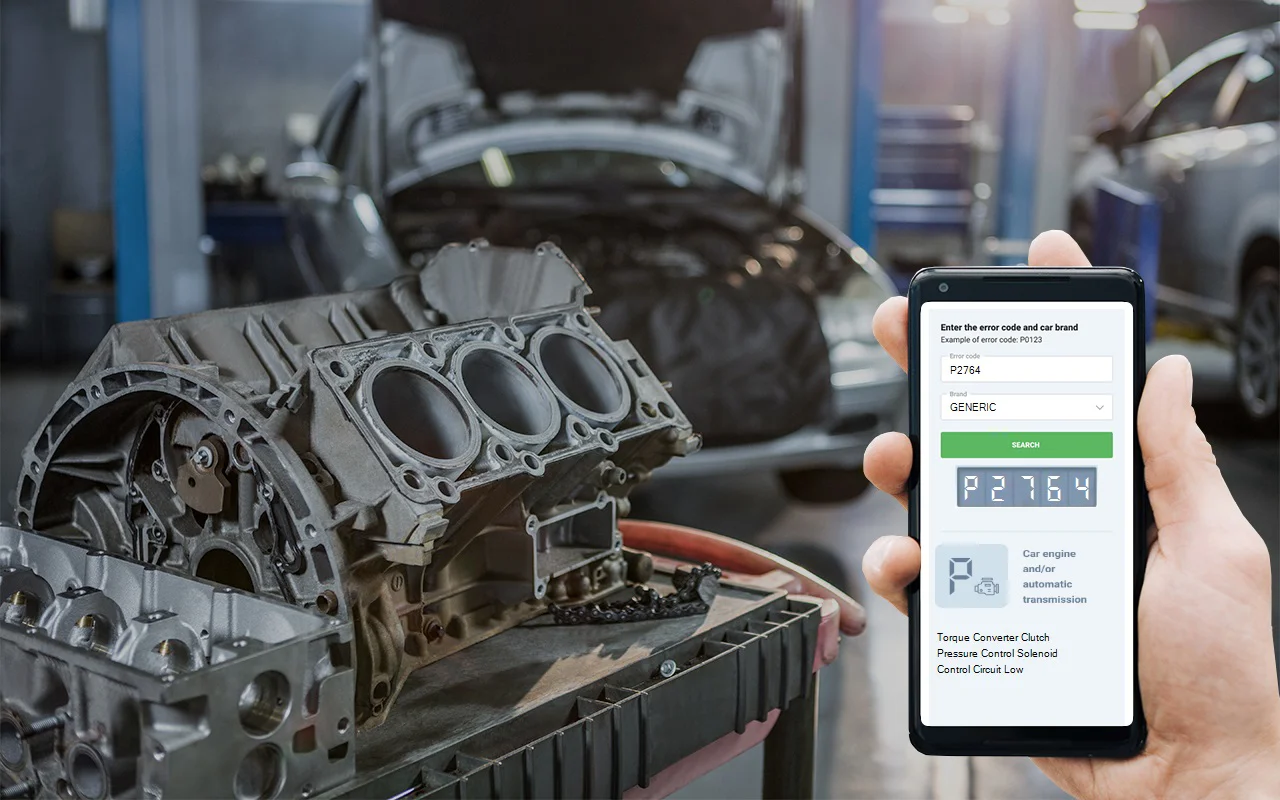
Common Mistakes when fixing P2764 trouble code
Honestly, I’ve seen a few common missteps when folks try to tackle this p2764 trouble code. Here’s what to watch out for:
- Skipping the wiring inspection-people often jump straight to replacing the solenoid, but a bad wire or connector is just as likely.
- Not checking the transmission fluid-dirty or low fluid can mimic solenoid problems.
- Assuming it’s always the solenoid-sometimes the issue is deeper in the transmission or even the TCM.
- Clearing the code without fixing the root cause-this just makes the problem come back later.
Take your time with the basics before spending money on parts you might not need.

Seriousness of dtc P2764
This isn’t a code you want to ignore. The risks just aren’t worth it-if the torque converter clutch isn’t working right, you can end up with poor fuel economy, rough shifting, or even transmission damage. Things can go south quickly if overlooked, and you might be looking at costly repairs like a full transmission rebuild if you let it slide. Parts that can be damaged include the torque converter itself, the clutch, and internal transmission components. Don’t put this off for later; prompt attention can save you a lot of trouble and expense.
Repair steps for obd code P2764
When I’m fixing an obd code p2764, I always start with what’s most likely and work my way up. Here’s how I tackle it, based on what’s actually worked in my shop and what the manufacturers recommend:
- Swap out the torque converter clutch pressure control solenoid if it fails any electrical or functional tests.
- If the wiring or connectors look rough-cracked insulation, green corrosion, loose pins-I repair or replace those before moving on.
- If the transmission fluid is burnt, dirty, or low, I’ll flush and refill it with the proper type. Old or wrong fluid can cause all sorts of headaches.
- If I find any internal transmission or torque converter issues during inspection, like excessive debris or worn clutches, I address those as needed. Sometimes this means a bigger job.
- If every test points to a TCM glitch, I’ll reprogram or replace the module, but that’s rare in my experience.
Start with the solenoid and wiring-these are almost always the root cause. Don’t skip over the basic stuff because the fancy fixes are rarely needed.
Conclusion
So, here’s the bottom line: P2764 means your transmission’s torque converter clutch solenoid circuit is acting up, which can quickly spiral into rough shifting, lousy fuel economy, or even major transmission trouble if you ignore it. My advice? Start with the easy checks-inspect wiring, connectors, fluid, and the solenoid itself-before diving into the deep end with internal transmission or computer fixes. Waiting only makes things worse and pricier. Trust me, sticking to the basics and following the diagnostics for your exact vehicle will save you a world of frustration. That’s how you keep your ride shifting smooth and avoid a wallet-busting repair down the road.
- Subaru’s are throwing out a P2764 fault code ... the first notable sign, LIGHTS ON DASH!
- P2764 Torque Converter Clutch Pressure Control Solenoid Control Circuit Low SUBARU XV
- Got P2764 Lock-up duty solenoid failure? Learn How to Fix It Yourself with a $120 Scanner!

- installing valve body..subaru FORESTER 2015 model...dtc P2764