
Causes of P2850 trouble code
From my time under the hood and digging through factory service data, these are the usual suspects behind a p2850 code:
- The TCM software is out of date-sometimes a quick reflash or update sorts it out.
- The TCM itself is faulty-age, heat, or electrical gremlins can take these out.
- Mechanical problems inside the transmission-think a jammed or worn shift fork, or busted gear parts.
- Wiring and connector problems-anything from a corroded terminal to a broken wire between the TCM and gearbox can send the wrong signal.
Honestly, most of the time, I’m fixing software or the TCM itself. But I’ve learned not to rule out the other stuff until I’ve checked it.
Symptoms of P2850 code
If your car’s got a P2850 code active, here’s what you’ll probably run into: That check engine or transmission warning light will show up on your dash, plain as day. You might notice your car hesitating, refusing to shift into some gears, or even getting stuck in one gear completely. Sometimes, shifts get rough or take longer than they should. Every now and then, things get bad enough that your car goes into ‘limp’ mode, which locks you into limited gears and caps your speed. If you spot any of these symptoms, don’t wait-get it checked out before you end up stranded or cause more damage.

Diagnosis and troubleshooting the P2850 engine code
When I get a car with a p2850 code, here’s my go-to process:
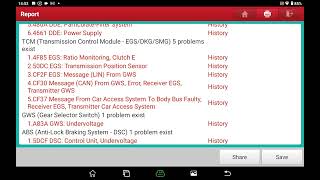
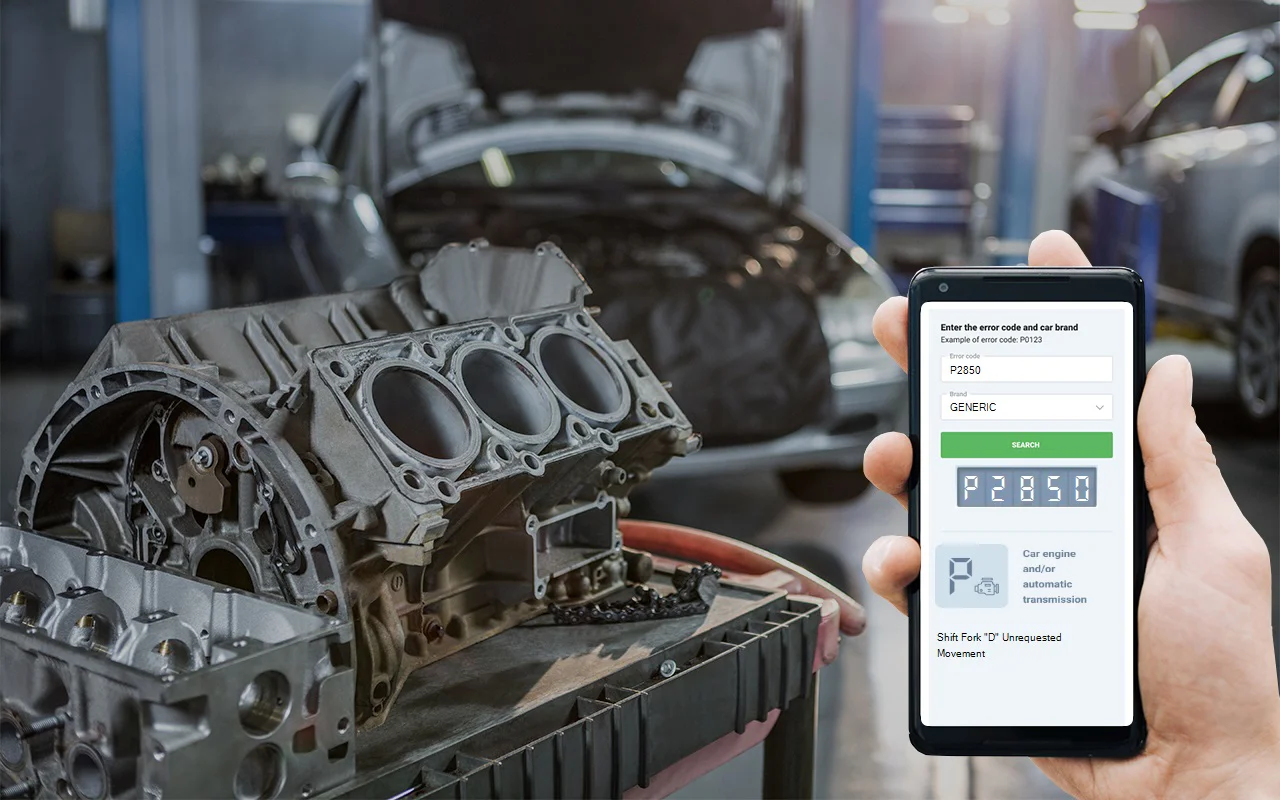
- First, I plug in a quality scan tool to confirm the code and look for any other related codes that could give me a clue.
- Next up, I see if the TCM needs a software update. Manufacturers put out updates more often than you’d think, and it can clear up weird shifting problems in a flash.
- Then I give the wiring harness and connectors a close look-especially between the TCM and transmission. I’m talking about searching for broken wires, corrosion, or pins that are bent or pushed out. Go slow here-a single bad pin can ruin your day.
- If the wiring checks out, I put the TCM itself to the test. If I’ve got a known-good module handy, swapping it in can quickly tell me if the original’s toast.
- All clear so far? Then it’s time to think about internal transmission issues. That means dropping the pan or even pulling the unit to look at the shift fork and related parts. I save this step for last, since it’s a big job and most problems are electrical or software-related.
Pro tip: Have a helper wiggle the wiring while you watch live data-that’s caught more intermittent faults than I can count.
Common mistakes when fixing P2850
A classic mistake I see is folks rushing out to swap the TCM or whole transmission before checking for a simple software update or a loose wire. That’s a fast track to wasted money. Another one? Ignoring connector pins-a single bent or corroded pin can mimic major failures. Always start with the basics and save yourself a headache.

How serious is obd2 code P2850
Let me be blunt: this isn’t something to shrug off. If you keep driving with a P2850 code active, you risk getting stuck in the wrong gear-or no gear at all-which can be downright dangerous, especially in traffic. On top of that, you could be causing real damage inside the transmission, with the TCM or shift fork taking the brunt. I’ve seen cases where folks kept going and ended up with a much bigger repair bill than if they’d handled it early. Don’t wait-get it fixed before it leaves you stranded or facing a massive repair.
Repair solutions for dtc P2850
Here’s what I’ve found works best for p2850:
- Reprogram or update the TCM software if there’s a newer version out-sometimes this is all it needs.
- Fix or replace any damaged wiring or connectors between the TCM and transmission. Even a little bit of corrosion can cause chaos.
- If the TCM’s confirmed bad, replace it-no way around it.
- If you’ve got mechanical damage inside, like a busted shift fork, you’re looking at a tear-down and replacement of the bad parts.
Start simple: update the software and check the wiring before you start throwing parts at it. That’s saved my customers a lot of money over the years.


Conclusion
Bottom line? A P2850 code means your shift fork isn’t doing what it should, and the TCM’s trying to warn you. It’s not something you want to let slide-leave it, and you could face unsafe driving or a transmission that’s wrecked beyond easy repair. My advice: scan for TCM software updates, do a thorough check of all wiring and connectors, and only then start looking at swapping major parts. The sooner you jump on it, the better off you-and your wallet-will be.
 5377
5377 5 minutes of reading