
Causes of P2858 engine code
From experience, the most common reasons I see for a P2858 code on a Nissan are:
- A faulty high clutch and rear brake solenoid valve - this is the part that actually controls the pressure.
- Problems with the valve body assembly - if the regulating valve inside gets stuck or worn, pressure can spike.
- Wiring issues - damaged, corroded, or loose connectors and wires leading to the solenoid can cause bad signals.
In some rare cases, internal transmission problems can also be the culprit, but most often it’s one of the first two.
Symptoms of obd2 code P2858
If your car has a P2858 code active, here’s what you’ll likely notice:
- The check engine light or service engine soon warning comes on.
- You might feel the transmission shifting harder or more abruptly than usual.
- Sometimes, the car may hesitate or struggle to shift gears smoothly.
- In severe cases, you could even experience slipping or a lack of response when accelerating.
It’s not something you want to ignore, as these symptoms can get worse quickly.

Diagnosis process for dtc P2858
Here’s how I usually approach diagnosing a P2858 code:
- First, I always start by checking the transmission fluid level and condition. Low or dirty fluid can cause all sorts of pressure issues.
- Next, I visually inspect the wiring harness and connectors going to the high clutch and rear brake solenoid. Look for any signs of damage, corrosion, or loose pins. It’s best to have someone help you move the harness while you watch for any intermittent faults.
- Then, I use a scan tool to monitor live data and see if the solenoid is responding to commands. If the readings are off, I’ll move on to testing the solenoid itself for proper resistance and function, following the OEM specs.
- If everything checks out electrically, I’ll inspect the valve body for sticking or contamination. Sometimes, debris or wear can cause the regulating valve to jam, leading to high pressure.
- Don’t forget to check for any related TSBs or known issues for your specific model - sometimes there are updated parts or procedures that can save a lot of time.
It’s best to start with the simple stuff before diving into the transmission internals.
Common mistakes when fixing P2858 trouble code
I’ve seen a few common mistakes when folks try to tackle this code:
- Jumping straight to replacing the solenoid without checking the wiring or connectors first. A loose or corroded connector can mimic a bad solenoid every time.
- Ignoring the fluid condition - dirty or burnt fluid can cause all sorts of hydraulic problems, but it’s often overlooked.
- Not checking for technical service bulletins. Sometimes, the manufacturer has already identified a fix or updated part.
Take your time with the basics before spending money on parts you might not need.

Seriousness of P2858 code
This is not a minor issue. If you keep driving with a P2858 code, you risk serious transmission damage. High clutch pressure can cause excessive wear or even failure of internal components like the clutch packs, solenoids, or the valve body. Honestly, things can go south quickly if overlooked - you could end up stranded or facing a much bigger repair bill. Don’t put this off for later; it’s a real hazard to both your car and your wallet.
Repair steps for obd code P2858
Here’s what usually fixes a P2858 code, based on verified repair cases and OEM procedures:
- Repair or replace any damaged wiring or connectors to the solenoid.
- Replace the high clutch and rear brake solenoid valve if it’s faulty.
- Clean or replace the valve body assembly if there’s evidence of sticking or contamination.
- Flush and replace the transmission fluid if it’s dirty or degraded.
- In rare cases, internal transmission repairs may be needed if there’s significant damage.
Always follow the manufacturer’s recommended steps and double-check everything before wrapping up the job.

Conclusion
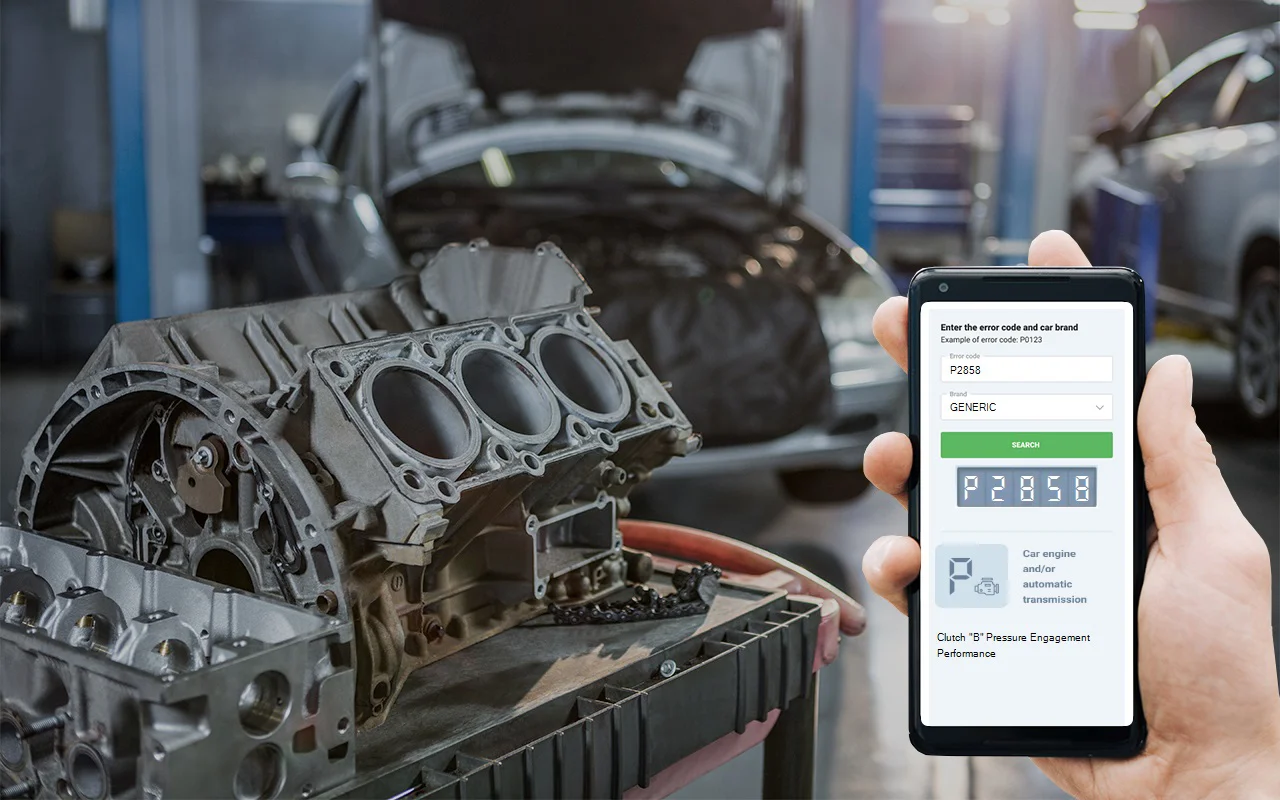
To sum it up, the P2858 code means your transmission is seeing higher than normal pressure in clutch "B" - usually due to a solenoid or valve body issue, especially on Nissan vehicles. It’s a problem you shouldn’t ignore, as it can quickly lead to bigger and more expensive transmission damage. Start with the basics: check the fluid, wiring, and connectors, then move on to the solenoid and valve body if needed. Acting quickly and methodically is the best way to keep your car running smoothly and avoid a costly breakdown.
 4267
4267 5 minutes of reading