When you see a P3401 code pop up, it means your car’s computer-the PCM-isn’t happy with how cylinder #1’s deactivation system is behaving. Now, from years of wrenching, I can tell you this: many engines today are built to shut down certain cylinders, like #1, when you’re just cruising along and don’t need the extra muscle. That’s the cylinder deactivation system doing its thing to help you squeeze more miles out of a tank of gas. The PCM manages this by telling special solenoids and lifters when to open or close the intake valves. If the PCM tries to switch cylinder #1 on or off and doesn’t get the feedback it expects, you’ll get the P3401 code. Bottom line? This code points to trouble with the intake valve control for cylinder #1-usually because of an electrical hiccup or oil pressure problem in that circuit.
DTC P3401
 3957
3957 5 minutes of reading
Main Causes of obd2 code P3401
From my time under the hood, I’ve found that the most frequent reasons for a p3401 code are pretty cut and dry, but even experienced techs sometimes miss the basics. Here’s what usually sets this code off:
- Low engine oil level - If the oil’s low, you just won’t get the pressure this system needs to work right.
- Defective cylinder deactivation (displacement) solenoid - When this solenoid goes bad, the PCM loses its control over the valve.
- Wiring gremlins - Damaged, corroded, or loose connectors and wires in the circuit can stop signals dead in their tracks.
- PCM failure - Not common, but every now and then, the computer itself is the troublemaker.
Most days, I’m fixing oil level or solenoid issues, but wise techs never skip a close look at the wiring before swapping parts.
Recognizing Symptoms of P3401
So, you’re staring at a p3401 code. What should you look out for? First thing’s usually the check engine light-it’s your car’s way of waving a red flag. You might notice the engine running a bit rough, maybe lacking punch when you expect a smooth ride. Sometimes, fuel mileage drops because the cylinder deactivation isn’t working like it should. There are cases where you won’t actually feel much, but that warning light is your biggest clue that something’s not quite right beneath the valve covers.

Diagnosis Steps for P3401 engine code
Here’s my go-to routine when tracking down a p3401 code:
- Start with the basics: Pop the hood and check the oil-both the level and how clean it is. You’d be surprised how often low or dirty oil is the culprit. If it’s off, top it up or swap it out.
- Trace the wiring and check the connectors for the cylinder #1 deactivation solenoid. Look for loose plugs, corrosion, or wires with broken insulation. Give the harness a gentle tug-a hidden bad connection has fooled more than a few techs.
- Next, test the solenoid. Grab a multimeter and check the resistance across its terminals. If it’s out of spec, you’ve likely found your problem.
- If the wiring and solenoid look good, hook up a scan tool and try commanding the solenoid on and off while watching the PCM’s feedback. This tells you if the computer’s sending the right orders and if the solenoid’s listening.
- Don’t forget to check for related trouble codes. Sometimes, issues elsewhere in the system will trigger p3401.
- If you’ve worked through all these steps and still can’t find the issue, the PCM might be faulty-but I’ve only seen that once or twice in my career.
Having a buddy to help-especially when wiggling wires or using scan tools-always makes the job easier. And here’s a pro-tip: double-check the simple stuff first, it saves a lot of frustration.

Common Mistakes When Dealing With obd code P3401
I’ve lost count of how many times I’ve seen folks jump straight to replacing the solenoid, only to find out later the oil was low or filthy. Skipping the wiring check is another classic error-a corroded connector or frayed wire can look just like a bad solenoid to the PCM. I’ve also seen people ignore other trouble codes that could point to a bigger issue. And just clearing the code without a real fix? That’s a short road to seeing that check engine light right back on. Rushing the job or taking shortcuts almost always leads to wasted time and extra headaches.

How Serious Is the P3401 trouble code
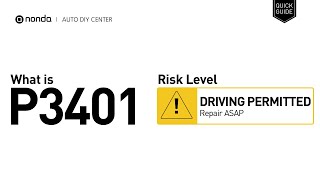
This is one of those codes you shouldn’t brush off. Sure, your car might not strand you immediately, but letting it go leads to lousy fuel economy and a rough-running engine. Worst case-if low oil is the root cause-you’re risking damage to high-dollar parts like camshafts, lifters, or even the PCM. I’ve seen engines go bad fast when oil-related issues are ignored. Trust me, it’s not worth gambling with your engine’s health. Get on top of this one as soon as that code shows up.
Effective Repair Steps for P3401 code
Here’s how I usually fix a p3401 code in the shop:
- First, deal with the oil-top it off or change it if it’s low or dirty. Sometimes, that’s all it takes.
- Repair or swap out any busted wires or connectors in the solenoid’s circuit.
- If the solenoid itself is shot or out of spec, replace it with a quality part.
- On the rare occasion that everything else checks out, you might need to reprogram or replace the PCM.
After any repair, always clear the code and take the car for a good test drive. If the code stays gone, you know you nailed it.
Conclusion
To wrap things up, a P3401 code means your engine’s cylinder #1 deactivation system isn’t doing its job-usually because of oil, solenoid, or wiring issues. Ignore it, and you’re asking for more trouble and a rougher ride. My advice? Start with the basics-check your oil and wiring-before jumping to parts replacement. The faster you act, the better shot you have at keeping your engine running smooth and your repair bills low.