
P3415 Code Common Causes
From experience, the most common reasons for P3415 are issues with the oil system or the solenoid that controls the exhaust valve on cylinder 2. Here’s what I usually find when I dig into these:
- Low engine oil pressure (often from low oil level or a failing oil pump)
- Restricted or dirty oil passages (sometimes due to lack of oil changes or sludge buildup)
- Mechanical problems inside the engine (like a sticking valve lifter or worn camshaft)
- Faulty cylinder deactivation solenoid (the part that actually switches the valve on and off)
- Wiring problems-open circuits, shorts, or poor connections at the solenoid harness
- Bad electrical connections at the solenoid or ECM
In Dodge vehicles, these are the main culprits, but other brands may have slightly different setups or affected cylinders. Still, oil and solenoid issues are almost always at the top of the list.
P3415 Engine Code Symptoms
When this code pops up, the first thing you’ll likely spot is the check engine light glaring at you. Sometimes, it comes with a side of rough running, especially when the engine tries to switch between V8 and V4 modes-that’s when I usually get a call. You might notice the engine feels a bit choppy or there’s a little hesitation when you hit the gas. I’ve had customers tell me their fuel economy dips, too. But here’s the tricky part: once in a while, the car seems to run just fine, except for that pesky warning light. Ignore it long enough, though, and you could start getting misfires or the engine might just feel out of balance. It’s not always dramatic, but it’s never something you should overlook.

P3415 Diagnostic Steps
If you’re chasing down a P3415 code, let me walk you through my usual game plan:
- Step one: Check your oil. Is it low, dirty, or overdue for a change? Don’t skip this-bad oil can mess with the whole system. Top it off or swap it out if needed.
- Next, eyeball the wiring and connectors running to the cylinder 2 exhaust valve solenoid. Any broken, frayed, or corroded wires? Get a helper to wiggle the harness while you watch for changes in symptoms or scan tool readings-it’s a simple trick that catches a lot of hidden problems.
- After that, I’ll grab a scan tool and command the solenoid on and off. If it doesn’t respond-no click, no change-either the solenoid’s shot or it’s not getting power.
- If the solenoid checks out, I start hunting for restricted oil passages. I’ve seen sludge or debris completely block those tiny channels, and sometimes you’ll have to pull the valve cover or the VLOM (Valve Lifter Oil Manifold) to really see what’s going on.
- Finally, if everything else looks good, it’s time to take a peek at the mechanicals-like the lifters and camshaft. A collapsed or sticking lifter can definitely set off this code, but I only go down that road after ruling out the basics.
Always clear the code and take the car for a spin after each step. If the code comes back, move on to the next possibility. Trust me-start simple. Don’t rip into the engine unless you’ve got to.
P3415 Trouble Code Common Mistakes
A classic mistake I see: people swap out the solenoid first thing, without even checking the oil. That’s a fast way to burn through cash with zero results. Another one-folks overlook the wiring. Sometimes, it’s just a loose connector or a pinched wire behind the problem, not the part itself. And skipping the oil passage inspection? That’s a recipe for repeat problems. Sludge will take out a new solenoid just as quick as it did the old one. Always start with the simple stuff-oil, wiring, and passages-before you pull the trigger on pricier repairs.

OBD2 Code P3415 Severity
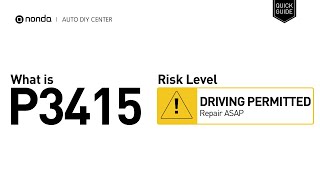
P3415 isn’t a code you want to shrug off. Keep driving with this one, and you’re gambling with the health of your engine-especially the lifters, camshaft, and anything else that relies on steady oil flow. I’ve seen engines start to misfire, run rough, and rack up even bigger repair bills because the root issue was ignored. What starts as a relatively minor fix can snowball into a major overhaul if you let it slide. My advice? Get it checked and fixed sooner rather than later. It’s not worth the risk.
DTC P3415 Repair Solutions
When I’m fixing a P3415, here’s what’s usually on the work order:
- Swap out the engine oil and filter if they’re looking rough, old, or dirty
- Flush or clean any restricted oil passages-don’t cut corners here
- Fix or replace damaged wiring or connectors at the solenoid
- Replace the cylinder 2 exhaust valve’s deactivation solenoid if it’s not working right
- In tough cases, you might have to go deeper and replace a sticking or collapsed valve lifter, or fix internal engine parts
After you’ve made your repair, clear the code and take the car for a proper test drive. If the code stays gone, you know you’ve nailed it.

Conclusion
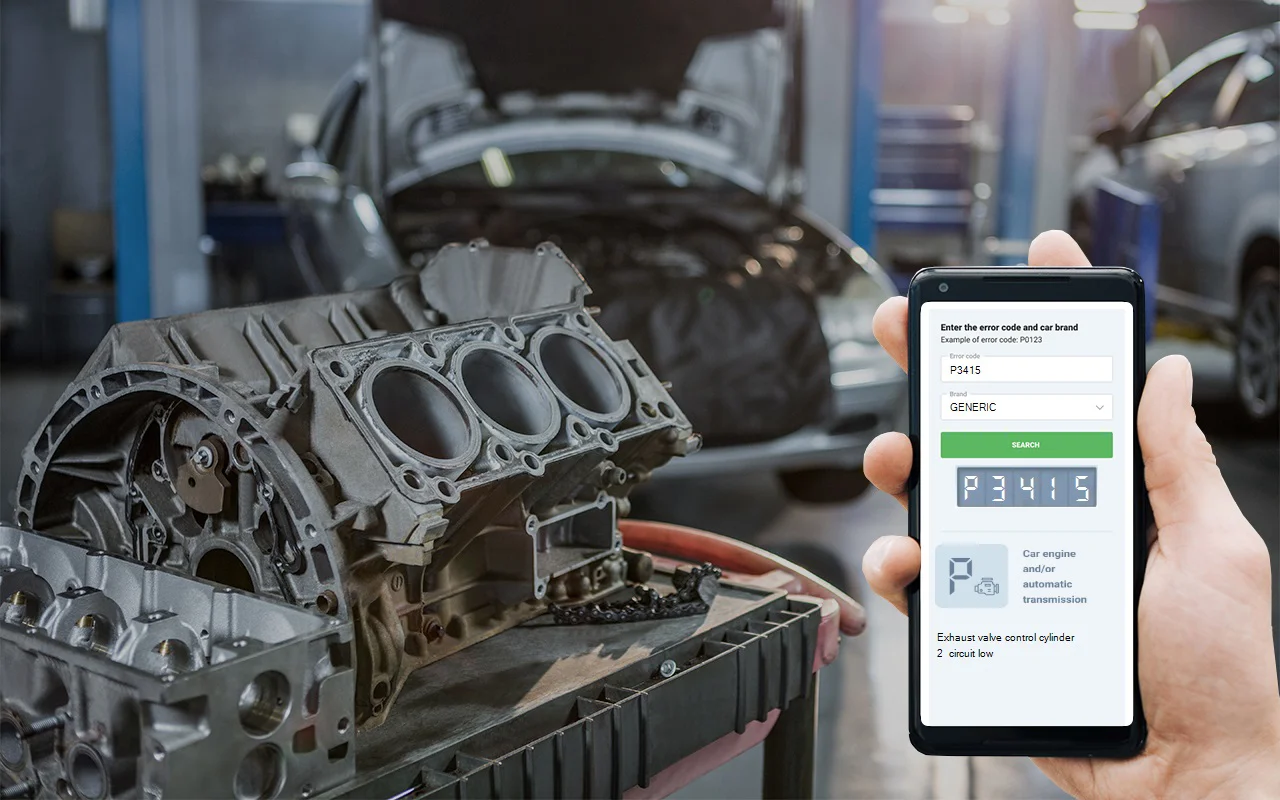
Bottom line-P3415 is your engine’s way of waving a red flag about the exhaust valve control on cylinder 2. In my experience, it’s almost always tied to oil pressure, a dodgy solenoid, or a wiring hiccup. It’s not something to save for next weekend; left unchecked, it can spiral into serious engine trouble. The smart move? Start with the basics: oil, wiring, and the solenoid. Tackle it early, and you’ll save yourself a lot of headaches-and cash-down the road.
 4748
4748 6 minutes of reading