
Causes of P3437 trouble code
From experience and what the official manuals show, the most common causes for a P3437 code are:
- Low engine oil pressure-this system relies heavily on oil pressure to operate the valve lifters.
- Restricted oil passages-sludge or debris can block the oil flow needed for cylinder deactivation.
- Mechanical problems inside the engine-like worn lifters, damaged camshaft lobes, or sticking locking pins in the lifter assembly.
- Faulty cylinder deactivation solenoid-this is the electrical part that controls oil flow to the lifters.
- Wiring issues-broken, shorted, or corroded wires and connectors in the solenoid circuit.
- Poor electrical connections-loose or damaged plugs at the solenoid or VLOM (Valve Lifter Oil Manifold).
Most often, I see oil-related issues or a bad solenoid as the culprit, but wiring problems aren’t rare either.
Symptoms of P3437
Here's what usually gives it away when this code is active: your check engine light will be staring you down. A lot of the time, you’ll feel the engine running a bit rough, especially when it’s flipping between V8 and V4 modes. Don’t be surprised if you feel a small vibration or notice the engine’s a little noisier than normal. Sometimes, your gas mileage starts to slip because the cylinder deactivation isn’t doing its job. On rare occasions, you might get a misfire or feel a hesitation, but most folks just see the warning light and sense that the engine isn’t quite as smooth as it should be.

Diagnosis steps for obd2 code P3437
Whenever I’m faced with a P3437, here’s my go-to checklist:
- Start by checking your engine oil-both the level and how clean it is. You’d be amazed how many problems come down to dirty or low oil. If it’s overdue for a change, don’t skip it. Fresh oil can work wonders.
- Take a close look at the wiring and connectors right at the cylinder deactivation solenoid for cylinder 5. I like to have a buddy wiggle the harness while I watch for any glitches. Broken wires, green corrosion, and loose plugs are all common gotchas.
- Give the VLOM assembly and the solenoid a thorough inspection for any signs of damage. Make sure everything’s clean and plugged in tight.
- If the wiring and connectors check out, move on to testing the solenoid itself. A scan tool lets you command the solenoid on and off-listen for a solid click or watch for a change in oil pressure. No click? You’re zeroing in on the issue.
- If oil flow is in question, pull the valve cover and check the lifters and oil passages for any sludge or gunk. Make sure the locking pins in the lifters move freely-if they’re sticking, the system won’t work right.
- If you’re still chasing the problem, it might be time to dig deeper and inspect the lifter and camshaft for wear or binding. This is a bit more involved, but sometimes it’s the only way to get to the root cause.
And here’s a pro-tip: always check for any related codes while you’re at it-they can point you to other issues that might be connected.
Common mistakes during obd code P3437 troubleshooting
A classic mistake I see in the shop is folks swapping out the solenoid right away without checking the oil or oil pressure. Another one? Ignoring the wiring. Sometimes, a single broken wire or loose connector is the whole problem. Skipping a careful look at the connectors and harness often leads to wasted time and money on parts you didn’t need. And if you don’t check for sludge in the oil passages, you’re likely to miss the real troublemaker. Always tackle the basics first before you start tearing into more complicated (and expensive) repairs.

Seriousness of P3437 engine code issues
Honestly, this isn’t a code you want to let slide. If the cylinder deactivation system’s not working, you’re risking poor performance and burning more gas than you should. Worse, if oil flow gets restricted, you’re looking at possible damage to the lifters, camshaft, or even more severe engine problems. Things can go from a minor nuisance to a full-blown headache if a lifter jams or the solenoid bites the dust-suddenly you’ve got misfires or even internal engine damage. If you notice rough running or odd noises, don’t wait to address it.
Repair solutions for P3437 code
Based on what I’ve seen in the bay and what the factory recommends, here’s how you tackle a P3437:
- Change out the engine oil and filter if the oil is dirty or low. This alone solves the issue more often than you’d think.
- Clean or replace the oil passages if you find sludge or blockage during inspection.
- Fix up or swap out any damaged wiring or connectors in the solenoid circuit. Good connections are essential here.
- Replace the cylinder deactivation solenoid for cylinder 5 if it’s not working properly.
- If you find mechanical damage, check and replace the valve lifter or camshaft as needed.
My advice? Always start with oil and wiring-they’re the easiest and cheapest fixes, and they knock out the majority of these codes. Only dive into lifters or camshafts if you’ve ruled out the simple stuff first.


Conclusion
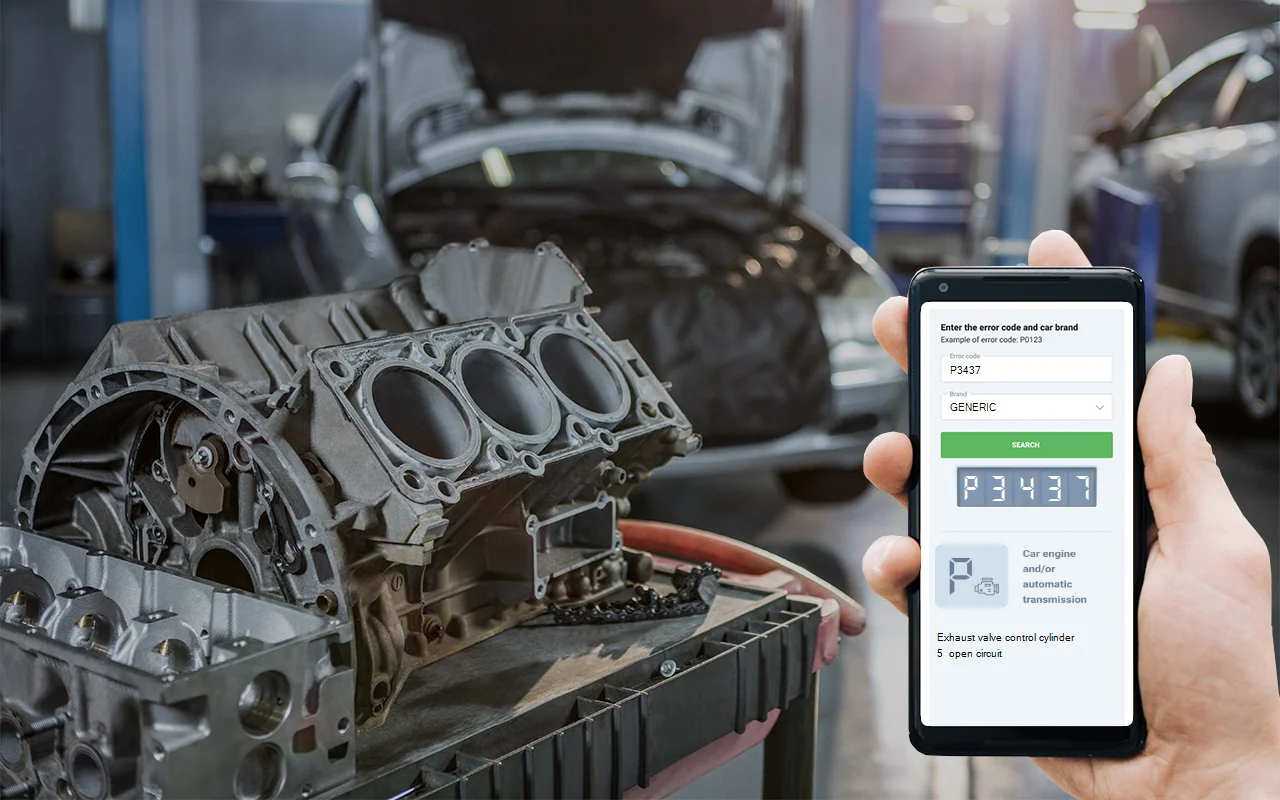
Bottom line, P3437 tells you there’s a problem with the exhaust valve control circuit for cylinder 5, usually tied to the cylinder deactivation system. This isn’t just a nuisance-it can seriously mess with your engine’s performance and lead to bigger, more expensive problems if you ignore it. The smartest approach is to start with oil and wiring checks, move on to testing the solenoid, and only go deeper if those don’t fix it. If you stay on top of it and work through the basics first, you’ll keep your engine running smooth and avoid a costly repair bill down the line.
 5754
5754 6 minutes of reading