
Common Causes of P3452 Fault Code
Speaking from years spent chasing codes like P3452, I can tell you the usual suspects fall into three camps: oil issues, electrical gremlins, or a bum solenoid. Here’s what tends to trip it:
- Low oil pressure (sometimes you’re just a quart or two short, or an oil passage is gummed up)
- Dirty or restricted oil passages feeding the deactivation system-old sludge is a killer here
- Mechanical headaches inside the engine, like a sticky or totally shot valve lifter
- A failed cylinder deactivation solenoid-some folks call this a VLOM or MDS solenoid depending on the badge on your hood
- Busted, shorted, or corroded wiring or connectors feeding the solenoid
- Weak or intermittent electrical connections in the solenoid’s circuit-sometimes it’s just a pin that’s a hair out of place
In my shop, electrical issues and low oil top the list, but don’t rule out a stubborn solenoid or a lifter that’s packing it in. Every brand has its quirks, but these are the big hitters across the board.
Typical Symptoms of P3452 Trouble Code
First thing you’ll probably catch is that check engine light glaring back at you. Sometimes, that’s the only clue you’ll get. But in plenty of cases, there are other hints if you know what to watch for:
- The engine might run rough or even misfire, especially when it’s supposed to switch between running on all cylinders and partial mode
- You might notice your fuel economy dropping off, since the system can’t shut down cylinders like it should
- Every so often, you’ll hear a ticking or odd engine noise-usually a sign that a lifter’s not happy
I’ve seen plenty of folks try to ignore the light, thinking it’s no big deal. But even if you don’t feel anything right away, trust me, it’s worth tracking down the source before things get worse.

Step by Step Diagnosis for OBD Code P3452
Let me walk you through how I’d tackle a P3452 diagnosis in the shop:
- Start simple-pop the hood, pull the dipstick, and check your oil. Low or nasty oil is a recipe for this code. Top it off or change it if you need to.
- Next, I get my flashlight and take a close look at the wiring and connectors going to the cylinder 7 solenoid. I’m looking for broken wires, corroded pins, or anything that just doesn’t look right. Sometimes, having an extra set of hands to wiggle wires while you watch for changes is a real time-saver.
- From there, I break out the scan tool. If it lets me, I’ll command that solenoid on and off and see if it’s doing its job. If there’s no response, I grab my multimeter and check for voltage at the solenoid connector.
- If the wiring and power check out, I’ll pull the solenoid itself (assuming it’s not buried) and bench test it, or swap it with one from another cylinder to see if the problem moves.
- If everything so far looks good, now I start thinking internal-oil passages could be clogged, or maybe a lifter’s stuck. That’s when things can get a bit more involved, sometimes even requiring some engine tear-down work.
Here’s a pro-tip: always scan for other codes that might be lurking. Sometimes they’ll point you straight to a related issue you might have missed.
Avoiding Common Mistakes with the P3452 Code
A classic mistake I see folks make is swapping out the solenoid right off the bat without checking the easy stuff first. Don’t overlook your oil-if it’s low or filthy, you’re setting yourself up for trouble. I’ve watched more than one tech chase their tail because they missed a simple wiring problem or a loose connector pin. Always, always start with the basics before shelling out for new parts you might not need.

How Serious is OBD2 Code P3452
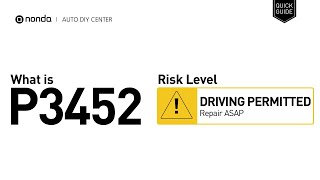
If you’re wondering whether you can keep driving with P3452 on the dash, let me put it this way: you might get away with it for a bit, but you’re rolling the dice. Sure, the engine might run just fine for now, but if the system can’t deactivate cylinders, you’ll burn more fuel-and if it’s a deeper issue like a failed lifter or blocked oil passage, you could wind up with real engine damage. I’ve seen ignored codes snowball into misfires, harsh running, or even internal carnage if oil flow gets restricted. Camshafts, lifters, wiring-they’re all at risk if you wait too long. Bottom line: don’t sit on this one.
Effective Repair Solutions for P3452 Engine Code
Here’s how I usually sort out a P3452, depending on what I find in the diagnosis:
- If the oil’s low or looks like it’s seen better days, swap it out along with the filter. Sometimes that’s all it takes.
- Fix or replace any busted wiring or sketchy connectors heading to the solenoid.
- If the solenoid itself checks out bad, drop in a new OEM one-I always go with factory parts when it comes to these.
- If you’ve got signs of oil passage gunk, you may be looking at a proper flush or even digging into the engine for a thorough cleaning.
- When it comes to lifter problems, sometimes you’ll have to bite the bullet and replace the lifter, maybe even the camshaft. That’s a bigger job, but sometimes it’s the only way out.
My advice? Tackle the simple stuff-oil and wiring-before you start reaching for your wallet for new parts. Nine times out of ten, that’s where the fix is hiding.


Conclusion
If you’re seeing a P3452, your engine’s cylinder deactivation system isn’t doing its job on cylinder 7. Most times, it comes down to oil, wiring, or the solenoid itself. Ignoring it isn’t worth the gamble-you’ll lose out on fuel savings and risk real engine trouble if you let it slide. Start with the basics: oil and wiring. Only move onto the pricier fixes if you have to. Take it from someone who’s spent years chasing these gremlins-acting fast is your best bet for keeping your engine healthy and avoiding a costly mess later on.
 4801
4801 7 minutes of reading