
Causes of P3455 trouble code
From what I see most often in the shop, P3455 is usually triggered by one of a handful of issues. Here’s what tends to cause it, based on real-world cases and official service info:
- Low engine oil pressure-if the oil isn’t flowing right, the system can’t deactivate the cylinder properly.
- Restricted or blocked oil passages-gunk or sludge can keep oil from reaching the lifters or solenoids.
- Mechanical problems inside the engine-like a stuck or worn valve lifter.
- A faulty cylinder deactivation solenoid-these control the oil flow to the lifters.
- Wiring harness problems-open or shorted wires to the solenoid, or poor electrical connections.
In my experience, it’s usually either an oil delivery problem or a bad solenoid, but I’ve seen wiring issues sneak up too, so don’t rule those out.
Symptoms and signs of P3455
When this code is active, you’ll almost always notice the check engine light come on. Some drivers say the engine feels rough, especially when the system tries to switch between V8 and V4 modes. You might notice a drop in fuel economy, or the engine might run a bit unevenly at idle or under light throttle. In some cases, you won’t feel much at all, but the warning light is your clue that something’s not right under the hood.

Diagnosis process for obd2 code P3455
Here’s how I usually tackle a P3455 code, step by step:
- First, check the oil level and condition. Low or dirty oil is a common culprit. Top it off or change it if needed.
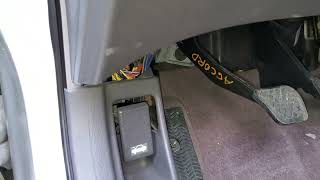
- Next, I visually inspect the wiring and connectors going to the cylinder deactivation solenoid for cylinder 7. Look for broken, frayed, or corroded wires. It’s best to have someone wiggle the harness while you watch for any changes or loose connections.
- Then, I check for oil sludge or blockages in the oil passages. Sometimes you’ll need to remove the valve cover to get a good look-if you’re not comfortable with this, it’s smart to let a pro handle it.
- After that, I test the solenoid itself. Using a scan tool, you can command the solenoid on and off and listen for a click, or check the resistance with a multimeter to see if it’s within spec.
- If everything checks out so far, I move on to checking the mechanical condition of the lifter and related parts. This can get involved, but if you hear ticking or knocking, or if the engine runs especially rough, it’s worth investigating further.
Don’t forget to clear the code and see if it returns after each step. Sometimes a simple fix is all it takes.
Common mistakes when fixing dtc P3455
I’ve seen folks jump straight to replacing the solenoid without checking the oil or wiring first-that’s a surefire way to waste money. Another common mistake is ignoring the possibility of oil sludge or not checking for poor electrical connections. Skipping a visual inspection of the harness and connectors is a big one. Always start with the basics before moving on to expensive parts.

Seriousness of P3455 code
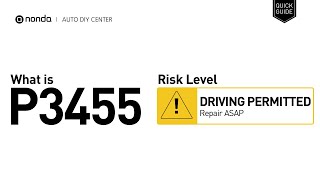
This isn’t something you want to ignore. If you keep driving with this code active, you risk damaging the lifters, camshaft, or even the engine itself due to poor lubrication or mechanical failure. It can also cause the engine to run rough or misfire, which is a safety hazard-especially if you’re merging or passing. Things can go south quickly if you let it slide, so don’t put this off for later.
Repair steps for obd code P3455
Here’s what usually fixes a P3455, based on OEM procedures and what I’ve seen work time and again:
- Change the engine oil and filter if they’re dirty or low.
- Clean out any oil sludge or blockages in the oil passages.
- Repair or replace damaged wiring or connectors to the cylinder 7 deactivation solenoid.
- Replace the cylinder deactivation solenoid if it’s faulty.
- If there’s a mechanical issue with the lifter or valve, repair or replace those components as needed.
After repairs, always clear the code and test drive to make sure it doesn’t come back.


Conclusion
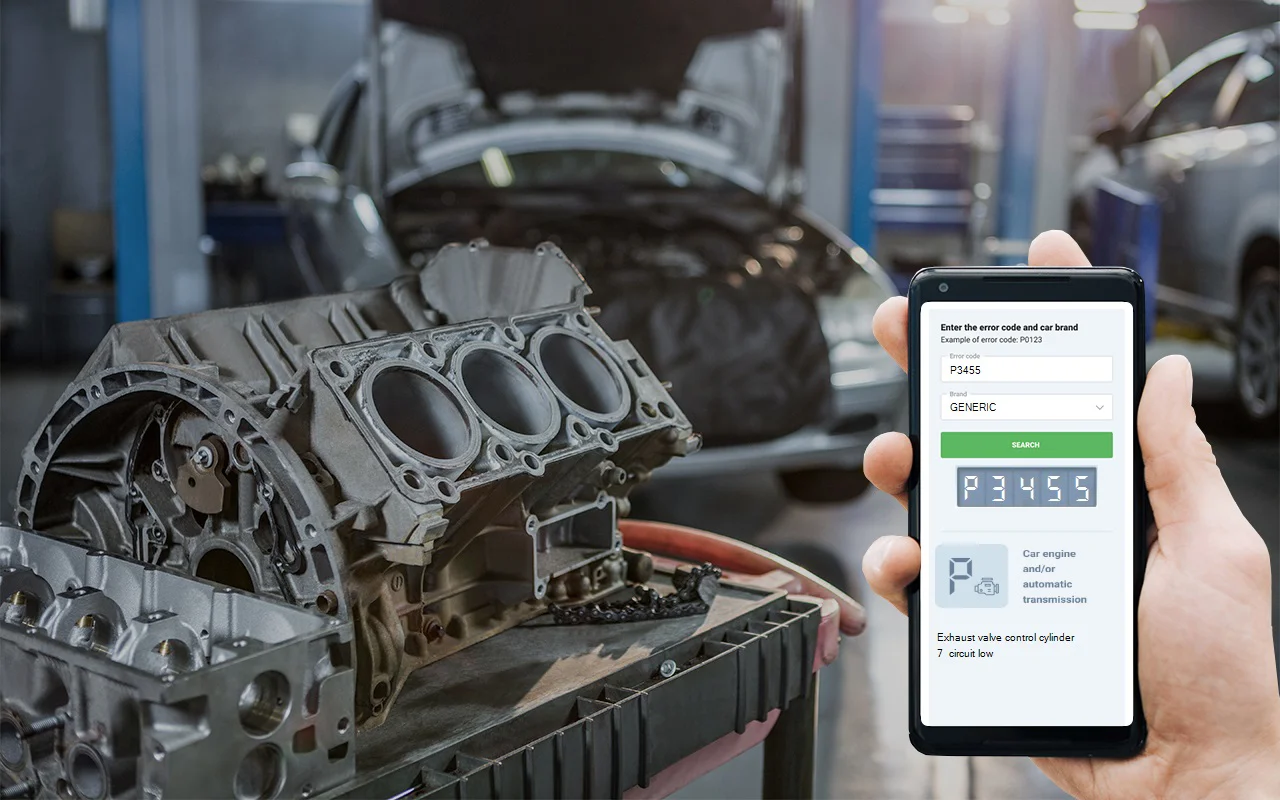
To sum it up, P3455 means there’s a problem with the exhaust valve control for cylinder 7 in your engine’s cylinder deactivation system. It’s usually caused by oil issues, a bad solenoid, or wiring faults. The check engine light is your warning, and it’s best to act quickly-ignoring it could lead to serious engine damage. Start with the simple checks: oil, wiring, and connectors. If those are good, move on to the solenoid and mechanical parts. The most reliable way to resolve this is a careful, step-by-step diagnosis-don’t just throw parts at it. Take care of it soon, and you’ll avoid much bigger headaches down the road.
 5127
5127 5 minutes of reading