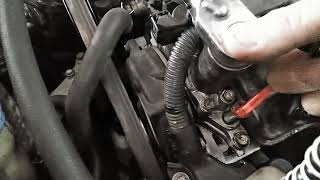
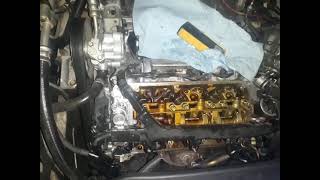
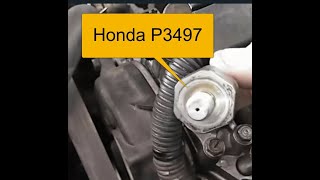
P3497 is a code I’ve run into plenty of times in the shop, and it’s always tied to the cylinder deactivation system on bank 2 of your engine. Let me break it down for you: this system’s whole job is to help save you gas by shutting off a few cylinders when you don’t need the extra power-think steady cruising down the highway or light-footed city driving. When the vehicle’s computer (PCM) notices something’s not right with how this system is behaving on one side of your engine (that’s bank 2), it’ll toss out this code. If you’re rolling in a V6 or V8, this setup is pretty common, and it’s engineered to give you better fuel mileage without sacrificing muscle when you hit the throttle. Now, if the PCM can’t properly control or keep tabs on this deactivation system, it’ll flag P3497. So, if you see this code pop up, it’s the car’s way of saying, ‘Hey, something’s off-time to take a closer look.’
DTC P3497
 4964
4964 6 minutes of reading
Causes of P3497 trouble code
From my time under the hood, the root causes of a p3497 code are usually right in front of you-if you know where to look. Here’s what I see most often:
- Low engine oil level or weak oil pressure-this system’s lifeblood is clean, properly flowing oil.
- Old, dirty, or sludgy engine oil-gunked-up oil passages can throw the whole deactivation system out of whack.
- Busted wiring or poor connections-especially at the cylinder deactivation solenoids or their sensors.
- Solenoids or control valves that are acting up-if they stick, jam, or just plain quit, the system can’t do its thing.
- Bad sensors or switches related to cylinder deactivation.
- On rare occasions, the PCM itself is the culprit.
In real-world situations, oil and wiring are your usual suspects, so start there before diving too deep. I’ve seen this error come up on Hondas, Fords, Renaults-you name it.
Symptoms of obd code P3497
If your ride’s throwing a p3497, you’re bound to notice a few tell-tale signs. That check engine light? It’ll be staring you down from the dash. The engine might start to feel a little rough-especially when idling or cruising at a steady speed. Sometimes you’ll find it’s got less pep, or just doesn’t run as smoothly as you’re used to. One thing I always tell folks: keep an eye on your fuel gauge. If you’re burning through more gas than normal, this code could be part of the story. Occasionally, the only symptom is that annoying warning light, but don’t let that lull you into ignoring it. Trust me, it’s worth tracking down.

Diagnosis of dtc P3497
When I’m chasing down a dtc p3497, here’s the step-by-step routine that’s served me well:
- First off, pop the hood and check that engine oil-both the level and how clean it is. Low or nasty oil is the biggest troublemaker and gets overlooked way too often.
- Next, I give the wiring and connectors over at the cylinder deactivation solenoids on bank 2 a solid once-over. Look for cracked wires, loose plugs, or any hint of corrosion. Here’s a pro-tip: have someone jiggle the harness while you watch for any hiccups.
- If everything’s checking out so far, I’ll hook up a scan tool and watch the cylinder deactivation system in action. You want to see if the solenoids are getting switched on and off, and whether the system’s actually responding.
- If the scan tool points to a specific solenoid or sensor, I won’t hesitate to test those parts-sometimes even swapping them with ones from bank 1 to see if the problem follows.
- Don’t skip looking for related codes; they’re like breadcrumbs leading you to the real issue.
- If all else fails, I’ll glance at the PCM, though in my experience, that’s almost never the root of the problem.
Start with the basics-oil and wiring-before reaching for the toolbox full of specialty gear.
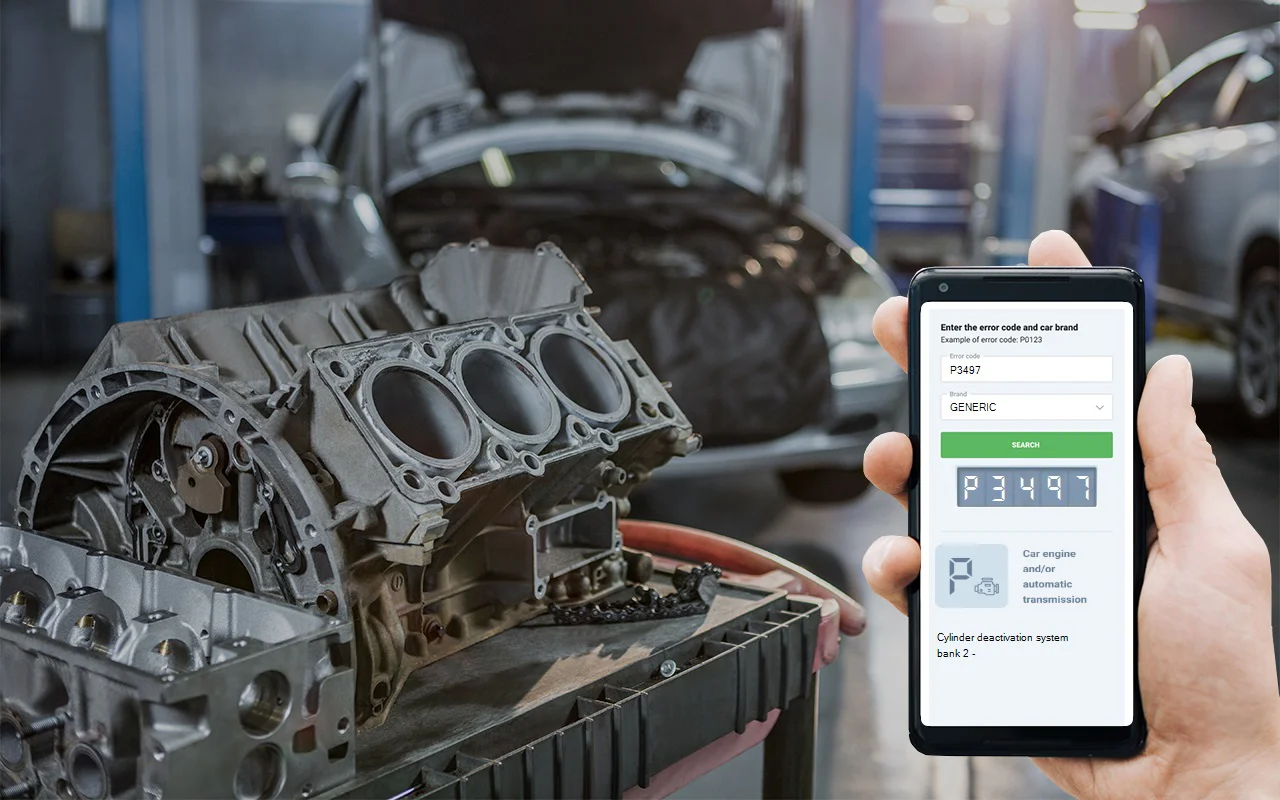
Common Mistakes with P3497
A classic mistake I see is folks throwing cash at new parts-like solenoids or even the PCM-before checking the easy stuff. Forgetting to check the oil or running with old, dirty oil is a sure way to chase your tail. I can’t count how many times a hidden wiring issue or a corroded connector has been the real issue. Bottom line: always start small and simple before you start swapping parts. It'll save you time, headaches, and a chunk of your wallet.

Seriousness of P3497 code
Let’s get one thing straight: you don’t want to ignore a p3497 code. Sure, it might not leave you stranded on the side of the road today, but letting it slide can cost you-at the pump, in smoothness, and even in engine health if oil’s running low or dirty. Keep it up too long, and you risk burning out solenoids, sensors, or even putting your engine internals in jeopardy if oil flow gets choked off. What I’ve often found is that little problems snowball fast if you don’t nip them in the bud. Don’t put this one off.
Repair options for P3497 engine code
Here are the fixes that, in my experience, clear up a p3497 engine code nine times out of ten:
- Swap out the engine oil and filter if it’s dirty or overdue-honestly, this fixes more problems than you’d expect.
- If oil’s low, top it off and hunt down any leaks that could be the cause.
- Patch up or replace any damaged wiring or connectors heading to the cylinder deactivation solenoids or sensors.
- If a solenoid or valve is sticking or dead, it’s time for a replacement.
- If diagnostics point to a bad sensor or switch, swap it out.
- PCM replacements are rare, but if every other avenue’s a dead end and you’ve ruled it out, that’s the last resort.
My advice? Start simple-oil and wiring first. If you’re seeing dtc p3497 honda on your scan tool, the repair steps are pretty much the same for other makes. Don’t overthink it; get the basics sorted and you’ll often save yourself a ton of hassle.
Conclusion
So here’s the bottom line: P3497 means your engine’s cylinder deactivation system on bank 2 is acting up, usually because of oil or wiring issues. Ignore it, and you’re risking worse gas mileage and even bigger headaches down the road. The smart move is to check your oil and wiring right off the bat, then chase down solenoids or sensors if you have to. Don’t drag your feet-most times, a quick oil change or a simple wiring fix will get you back to smooth running without breaking the bank.